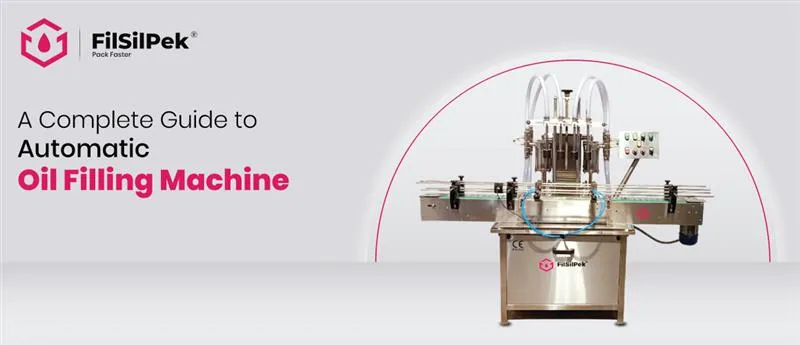
A Complete Guide to Automatic oil filling machines
Oil packaging has changed a lot over the last decade. What once depended heavily on manual labor and semi-automatic setups is now driven by speed, consistency, and tighter production control. As oil brands scale, even small inefficiencies in filling start showing up as product loss, rework, or line imbalance.
This is where automatic oil filling machines become central to the operation. They are no longer treated as just one machine on the floor. They define how smoothly the entire bottling line runs, how stable output remains across shifts, and how well quality parameters stay under control.
This guide breaks down how automatic oil filling machines work, the technologies behind them, what affects performance on the shop floor, and how manufacturers should evaluate them before investing.
What is an automatic oil filling machine?
An automatic oil filling machines is a fully integrated system designed to fill edible or industrial oils into containers with minimal human involvement. Once containers enter the line, the machine handles positioning, filling, cut-off, and discharge in a continuous cycle.
In most plants, this machine sits between container infeed and downstream operations like capping and labeling. It acts as the backbone of the packaging line. Any instability here directly impacts output, wastage, and shift efficiency.
Manufacturers usually move to automatic systems when manual control starts becoming a bottleneck, especially with rising volumes, tighter compliance norms, and multi-SKU production requirements.
How does an automatic oil filling machine work?
An automatic oil filling machines runs on a continuous, synchronized cycle where mechanical movement, oil flow control, and PLC logic operate together. Once the line is started, container handling, filling, and discharge happen without manual intervention. The system is designed to maintain stable fill levels even at high speeds while controlling spillage and variation. Every stage of the process is timed and monitored to keep output consistent across shifts.
Key steps in working of automatic oil filling machine
- Container infeed and alignment
Empty containers are fed onto the conveyor and guided into proper position using guide rails to ensure stable entry into the filling zone. - Container detection
Photoelectric or proximity sensors confirm container presence and signal the PLC to initiate the filling cycle. - Filling nozzle positioning
Nozzles align with container mouths to maintain correct filling height and avoid splashing during oil discharge. - Oil feeding and flow control
Oil is transferred from storage tanks through pumps or gravity feed, with flow regulated based on preset volume or weight parameters. - Filling operation
Oil is dispensed into containers at a controlled rate to maintain consistent fill levels across all units. - Cut-off and drip control
Shut-off valves close cleanly at the end of filling to prevent tailing, dripping, or product loss. - Container discharge
Filled containers are released from the filling zone and transferred smoothly to the next station, such as capping or sealing.
For more details read this article: How does an oil filling machine work?
Types of automatic oil filling machines
Automatic oil filling machines are built around different filling principles, each suited to specific oil characteristics, production speeds, and control requirements. The choice of machine type directly impacts filling stability, changeover time, and long-term operating behavior. Manufacturers usually select a filling method based on oil viscosity, container variation, and compliance expectations. Understanding these types helps avoid over-engineering or under-specifying the line.
Volumetric oil filling machines
Volumetric oil filling machines fill oil based on a fixed volume using pistons or flow-based mechanisms. They are widely used in plants where container sizes remain consistent, and oil properties do not fluctuate much. The advantages of Volumetric oil filling machines are many that make them special. Volumetric fillers are relatively simple to operate and maintain, making them suitable for steady, high-throughput operations. However, accuracy can vary slightly with temperature and viscosity changes.
Weight-based oil filling machines
Weight-based oil filling systems fill oil by measuring the actual weight of the product dispensed into each container. Load cells continuously monitor fill weight and stop filling once the target value is reached. This method is preferred where regulatory compliance and tight fill tolerances are required. These machines perform well across different oil viscosities but usually operate at slightly lower speeds.
Servo-driven oil filling machines
Servo-driven fillers use servo motors to control filling strokes and flow rates with high repeatability. They offer better control during SKU changes and allow fine tuning from the HMI without mechanical adjustments. These machines are ideal for lines handling multiple container sizes and frequent changeovers. Their controlled motion also reduces splashing and foaming.
Gravity-based oil filling machines
Gravity fillers rely on the natural flow of oil from an overhead tank into containers. They are best suited for low-viscosity oils and moderate production speeds. The system is mechanically simple, which keeps maintenance requirements low. However, flow stability depends heavily on consistent oil head pressure and temperature.
Pump-based oil filling machines
Pump-based fillers use gear, lobe, or screw pumps to move oil from storage tanks to filling nozzles. They are commonly used for medium to high-viscosity oils where gravity flow is not reliable. Pump selection plays a major role in filling consistency and speed. These systems handle longer transfer distances and complex piping layouts better.
Key components of an automatic oil filling machine
Machine performance depends heavily on the quality and compatibility of its components. Weak integration here leads to frequent stoppages and inconsistent output.
- Filling nozzles and shut-off valves
- Oil transfer pumps and piping
- Flow meters or load cells
- PLC and HMI control system
- Conveyor assembly
- Container detection sensors
- Safety guards and interlocks
- Electrical and pneumatic systems
Each component has to work in sync. A mismatch between pump capacity and nozzle design, for example, often causes overflow or slow filling.
How oil viscosity impacts filling performance
Oil viscosity plays a big role in how smoothly filling happens. Liquid filling and viscosity go hand to hand when we discuss liquid filling processes, especially oils. Light oils flow fast and need tight cut-off control, while heavier oils demand stable pumping and controlled discharge.
High-viscosity oils tend to move slower, which affects cycle time and nozzle closing behavior. Temperature variations inside the plant also change flow characteristics, especially during early morning or winter shifts.
This is why filling systems are usually tuned on-site during commissioning rather than relying only on factory settings.
Which container types can be handled by automatic oil filling machines?
Container type plays a major role in how an automatic oil filling machines is configured and tuned. Factors like container shape, neck finish, material strength, and stability directly influence nozzle design, filling speed, and drip control. A machine that performs well with rigid bottles may behave very differently when switched to flexible or lightweight containers.
Selecting the right filling setup based on container type helps reduce spillage, avoid deformation, and maintain consistent fill levels. It also shortens changeover time and keeps the line stable during high-speed operation. Manufacturers who plan for container variation early usually face fewer production issues later.
- PET bottles
Lightweight and widely used for edible oils, PET bottles need controlled filling speed to prevent splashing and deformation.
- HDPE bottles
Stronger than PET and suitable for higher fill rates; HDPE containers allow stable handling in high-output lines.
- Glass bottles
Glass containers require gentle handling and accurate nozzle alignment to avoid breakage and spillage during filling.
- Flexible pouches
Pouch filling demands precise flow control and proper support systems to maintain shape and seal integrity.
- Tin containers
Tins are commonly used for bulk and industrial oils and need robust conveyor support due to higher weight.
- Jars and cans
Wide-mouth containers allow faster filling but require controlled cut-off to avoid surface splashing.
- Multiple SKU sizes on the same line
Machines designed for multi-size handling enable faster changeovers and better production flexibility.
Advantages of using an automatic oil filling machine
Automatic systems bring both operational and managerial benefits when set up correctly.
- Higher line throughput across shifts
- Reduced spillage and product loss
- Stable fill levels across batches
- Lower dependency on manual labor
- Improved hygiene and operator safety
- Better production tracking and control
Over time, these advantages translate into smoother audits, fewer customer complaints, and predictable output.
How does an automatic oil filling machine fit into a bottling line?
In a complete bottling line, the automatic oil filling machines acts as the pace-setting unit. Conveyor speeds before and after the filler are matched to its output to avoid container accumulation or starvation. Guide rails, infeed timing screws, and star wheels are often adjusted around the filler to maintain stable container spacing. Any fluctuation at this stage immediately affects downstream operations.
The filler is mechanically and electrically synchronized with capping and sealing machines. PLC interlocks ensure that the filler pauses or slows if the downstream unit is not ready, preventing oil spillage and container jams. This coordination keeps torque application, seal integrity, and throughput consistent across continuous runs. Line balance is typically fine-tuned during commissioning.
Upstream and downstream integration also influence overall line efficiency. Labelers, printers, and inspection systems rely on consistent container discharge from the filler. Poor synchronization can lead to misaligned labels, faulty seals, or rejected units. A well-integrated oil filling machine helps maintain steady output, predictable quality, and smoother shift performance.
Installation and setup considerations
Machine installation goes beyond just placing it on the shop floor. Poor planning here causes long-term inefficiencies.
- Floor space availability and movement paths
- Power load and electrical readiness
- Compressed air and utility connections
- Operator training and handover
- Trial runs under real production conditions
Plants that rush installation often end up correcting layout and logic later, which disrupts production.
Cost factors of an automatic oil filling machine
Pricing varies widely depending on configuration and long-term requirements.
- Output capacity requirements
- Automation level
- Filling technology used
- Material grade and construction
- Customizations need
- After-sales support scope
Lower upfront cost machines may appear attractive but often require frequent service intervention once production stabilizes.
Is an automatic oil filling machine a good investment?
For manufacturers with stable demand and growth plans, automatic filling systems usually justify themselves within operational cycles.
Labor savings, reduced oil loss, and higher daily output create steady gains. Consistent filling also improves brand trust in the market.
Scalability is another key factor. Well-designed machines support future expansion without major replacement.
How to choose the right automatic oil filling machine
Selecting the right system requires matching machine capability with real plant conditions.
- Type and viscosity of oil
- Container formats and sizes
- Target hourly output
- Available shop-floor space
- Automation expectations
- Compliance and safety norms
- Reliability of service support
Decision-makers usually involve production, maintenance, and procurement teams together to avoid mismatched expectations.
Summing it up
An automatic oil filling machines plays a central role in determining how efficiently an oil packaging line operates. From maintaining stable fill levels to keeping conveyors, capping units, and labeling systems in sync, the filler directly impacts output consistency and operational control. When selected and configured correctly, it supports smoother shifts, lower product loss, and predictable production performance.
For manufacturers, the focus should go beyond basic capacity numbers and look closely at oil characteristics, container variation, integration requirements, and long-term service support. A well-matched filling system adapts better to production changes and reduces corrective intervention on the shop floor.
If you are evaluating an automatic oil filling machines for your production line or planning an upgrade, connect with our sales team at [email protected] for technical guidance and configuration support.
How Automation and Digital Controls Are Powering the Next Generation of Packaging Machinery
Packaging machinery has moved far…
How to design a flexible packaging line to handle multi-size SKU changes smoothly
Many factories today deal with a long list of product sizes, shapes, pack counts, and..
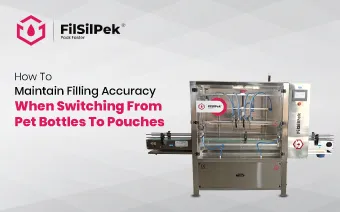
How to Maintain Filling Accuracy When Switching from PET Bottles to Pouches
Moving from PET bottles to flexible pouches changes more than your….