
How to Select the Right Capping System for Your Product Type
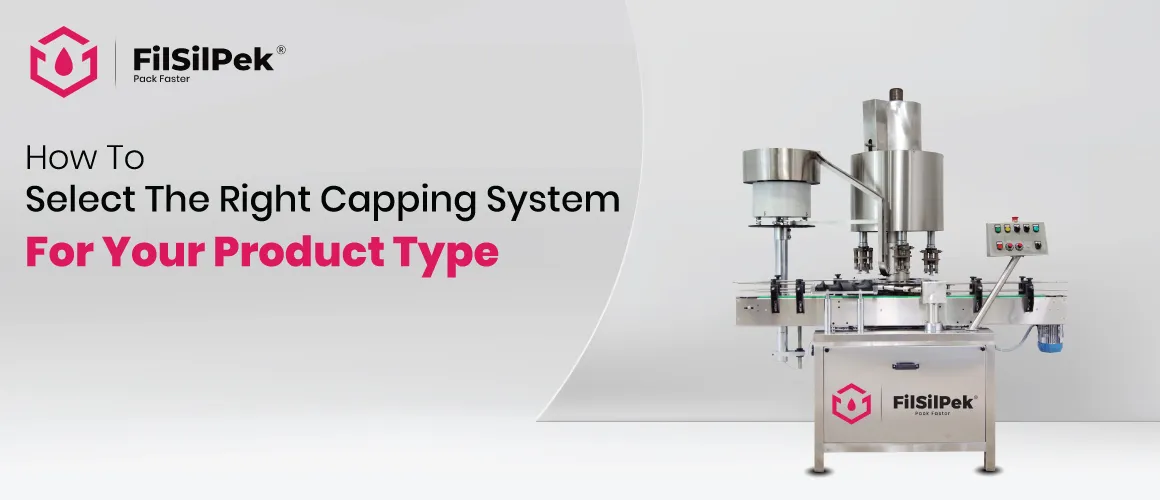
Picking the right capping system has a direct impact on how smoothly your packaging line runs and how well your product reaches the customer. A cap that is too loose can leak. One that is too tight can frustrate users or even crack the container. The right system seals properly every time, keeps your line moving, and reflects well on your brand.
Capping systems come in many forms. Some twisted caps on. Others press, snap, or use induction to seal. The best choice depends on your container shape, the type of cap you use, what’s inside the bottle, and how many units you need to cap per hour. Ignoring even one of these factors can lead to jams, misaligned lids, or inconsistent torque that affects product quality.
This guide walks through the most important things to check before you buy or install a new capping system. It focuses on actual performance, not just specs on a brochure.
Why the Right Capping Machine Fit Impacts Seal Quality and Line Efficiency
Choosing a capping machine that matches your container and cap specs isn’t optional it’s essential for daily operations. A misaligned or underpowered system leads to inconsistent torque, which directly affects seal integrity. In industries where shelf life or safety depends on a proper seal, even minor capping errors can cause product loss, customer complaints, or compliance issues.
Beyond quality, the right fit keeps your packaging line moving. Machines that struggle with your bottle shape or cap type create bottlenecks, increase downtime for adjustments, and wear out faster. Investing time upfront to match the capper to your exact application saves hours of troubleshooting and material waste.
- Mismatched torque settings cause leaks or damaged threads
Too much force cracks containers or strips caps. Too little leaves them loose. A machine built for your cap type maintains torque within the narrow window your product needs.
- Container shape affects stability during capping
Tall, narrow, or asymmetrical bottles tip easily if the capper lacks proper support or centering guides. Custom grippers or servo-controlled heads adjust on the fly to hold odd shapes steady.
- Cap design dictates the capping method required
Screw caps need rotational torque. Press-on caps need vertical force. Induction liners need a separate sealing step. Using the wrong method leads to failed seals or jammed lines.
- Production volume determines automation level
Handheld or benchtop cappers to work for under 500 bottles per day. Beyond that, inline or rotary automatic cappers reduce labor and improve consistency.
- Material combinations demand tailored solutions
Glass bottles with plastic caps behave differently than PET with metal, each mix needs a machine that accounts for surface friction, flex, and thread engagement.
Key Factors to Consider When Choosing a Capper
Start by looking at what you are actually packaging. Then match your capper to those specifics. The following points help you focus on what really matters during selection.
- Round bottles with standard screw caps work best with spindle or chuck cappers that apply even torque without slipping
- Odd shaped or lightweight containers often need servo driven systems that adjust pressure based on real time feedback
- Plastic caps on glass bottles require gentler torque settings than metal caps on HDPE to avoid cracking or stripping threads
- Press on and snap-on caps need vertical force rather than rotation so choose a system designed for downward pressure
- High speed lines above 100 bottles per minute usually need rotary or inline servo cappers to keep up without sacrificing accuracy
- Torque must stay within a narrow range especially for products that spoil easily or require tamper evidence
- Quick change parts let you switch between bottle sizes or cap types in under 10 minutes which matters if you run multiple SKUs
- Make sure the capper lines up with your existing conveyor height and spacing to avoid product tipping or jams
How to Test a Capping System Before You Buy
- Run tests with your actual filled containers, not empty ones, to simulate real line conditions
- Check torque consistency across at least 50 samples using a digital torque tester
- Inspect cap alignment and thread engagement under bright light or magnification
- Time how long it takes operators to switch between SKUs or adjust settings
- Observe how the machine handles slight variations in bottle height or cap size
- Verify that the system integrates smoothly with your existing conveyor speed and layout
- Confirm the machine logs torque data or provides basic error feedback for troubleshooting
Mistakes That Cause Problems Later
Many packaging teams select a capping machine based on speed or price alone and discover too late that it doesn’t handle their actual product well. Bottles may tip, caps can cross thread, or seals fail during shipping. These issues often show up only after full production starts, leading to wasted product, frustrated staff, and rushed fixes.
- Assuming one capper works for all cap types without checking thread pitch or closure design
- Ignoring how product viscosity affects bottle stability during the capping process
- Overlooking the need for tool-less changeovers in facilities running multiple SKUs
- Choosing a machine rated for ideal lab conditions that can’t handle real plant dust or vibration
- Skipping torque validation because “it looks tight enough”
- Not confirming spare part availability or service support before purchase
- Relying on vendor claims without testing the machine with your exact containers and caps
Summing it up
The right capping system does more than putting a lid on a bottle. It protects your product, supports your brand, and keeps your line running without constant fixes. Taking the time to match the machine to your container, cap, and production goals pays off in fewer rejects, happier customers, and smoother days on the floor.
If you are still unsure which capper fits your operation, you do not have to guess. Filsilpek works with teams every day to find solutions that work in the real world, not just on paper. Reach out with your bottle and cap specs, and we will help you pick up a system that seals right, runs fast, and lasts.
Email us at [email protected] to get started.
How can automatic oil filling machines adapt to changing packaging materials and bottle designs?
The edible oil packaging industry is…..
How do automatic oil filling machines reduce oxidation and improve shelf life of edible oils?
Edible oil oxidation remains one of the most persistent challenges in food processing, causing financial losses…..
Why are automatic oil filling machines becoming essential to tackle labor shortages in food processing plants?
Food processing facilities across the United States face a persistent…..