Why are automatic oil filling machines becoming essential to tackle labor shortages in food processing plants?
Food processing facilities across the United States face a persistent challenge in finding reliable workers for repetitive packaging tasks. The edible oil sector particularly struggles with high turnover rates in filling line positions, were monotonous work and physical strain drive employees away quickly. Plants producing cooking oils, salad dressings, and marinades report vacancy rates exceeding 25 percent for line operator roles during peak seasons.
Automation adoption has accelerated as companies calculate the true cost of unfilled positions. Manual filling operations require constant supervision, frequent breaks, and extensive training for new hires who often leave within weeks. These disruptions create bottlenecks that delay shipments and increase overtime expenses for remaining staff members.
This article examines how automatic oil filling machines deliver operational stability during workforce gaps. We will cover precision filling technology, implementation strategies for existing plants, and measurable returns on automation investments.
How does automation solve the filling line staffing crisis?
Automatic oil filling machines maintain consistent output regardless of hiring cycles or seasonal demand spikes. These systems operate 20 hours daily with minimal supervision, eliminating production stoppages caused by shift changes or unexpected absences. Food processors report filling line uptime improvements of 38 percent after installing servo-driven filling equipment that requires only one technician per shift instead of four manual operators.
Precision filling technology prevents costly product giveaway common with human operators. Vision guided nozzles adjust to bottle variations while maintaining fill accuracy within plus or minus 1 gram. This level of consistency reduces oil waste by approximately 2.3 percent annually, which translates to significant savings for facilities processing thousands of gallons daily. GMP compliant stainless steel contact parts ensure food safety standards remain uncompromised during extended unmanned operation periods.
Labor cost structures transform when automation handles repetitive tasks. Plants redirect human workers toward quality inspection, equipment monitoring, and problem-solving roles that offer better job satisfaction. This strategic shift reduces turnover while creating opportunities for existing staff to develop technical skills. Companies implementing automatic filling systems typically see full ROI within 14 months through combined labor savings and waste reduction.
Get your plant ready for automatic filling implementation
Successful automation integration requires thoughtful preparation that addresses both equipment selection and workforce adaptation. Plants must evaluate their current bottling formats, production volumes, and facility layout before choosing a system that delivers immediate value without disrupting existing workflows.
- Choose machines with quick changeover capabilities so one system handles multiple bottle sizes without lengthy adjustments and keeps your line flexible during product mix changes
- Prioritize PLC servo control systems that provide real time production data and help managers spot efficiency opportunities without adding administrative work
- Install no bottle no filling sensors to prevent product waste during line jams and protect your bottom line when unexpected stoppages occur
- Select equipment with tool free cleaning designs so sanitation crews complete washdowns faster and return to production sooner during tight schedules
- Verify stainless steel 304 or 316 contact parts meet FDA requirements for edible oils and avoid contamination risks that trigger costly recalls
- Plan for single technician operation instead of teams so you maintain production during staffing shortages without compromising output targets
- Include operator training in your implementation timeline so existing staff gain confidence with new technology and become system advocates
- Start with one filling line as a pilot project to demonstrate value before expanding automation across your facility and building internal support
What measurable improvements do processors see with automatic filling solutions?
Facilities running automatic oil filling machines report tangible operational upgrades beyond simple labor replacement. Production speeds increase by 40 to 60 percent compared to manual lines while maintaining tighter fill tolerances that satisfy retailer specifications. One mid-sized cooking oil producer eliminated three full time positions per shift yet increased daily output from 8,000 to 13,500 bottles without adding square footage or utilities demand.
Product consistency becomes a competitive advantage when machines handle filling tasks. Customers receive uniform fill levels of bottle after bottle, reducing complaints and returns related to under filled containers. This reliability strengthens relationships with grocery chains and food service distributors who prioritize suppliers with dependable quality metrics. Automated systems also generate digital records for every production run, simplifying traceability during audits or recall events.
Maintenance requirements stay manageable with modern filling equipment designed for food plant environments. Self-diagnostics alert technicians to potential issues before failures occur, and modular components allow quick replacements during scheduled downtime. Plants report maintenance labor decreases because automated systems experience fewer catastrophic failures than manual operations subject to operator error and inconsistent handling.
Automatic oil filling machines deliver stability when human resources fluctuate. They transform filling lines from staffing headaches into predictable profit centers that operate reliably regardless of hiring market conditions.
Summing it up
Your production team deserves equipment that works as hard as they do. Modern filling automation handles the repetitive tasks, so your people focus on value added work that keeps your plant competitive.
Reach out to our experts at [email protected] for equipment recommendations that match your facility’s specific bottling requirements and production goals.
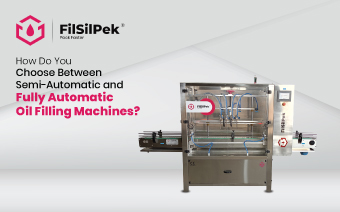
How Do You Choose Between Semi-Automatic and Fully Automatic Oil Filling Machines?
Oil filling is a critical step in packaging operations across industries…..
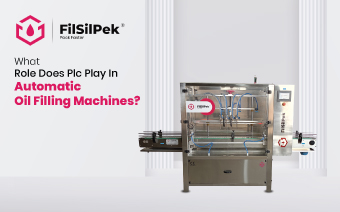
What role does PLC play in automatic oil filling machines?
Automatic oil filling machines run many small and complex actions at the same time. Each bottle…..
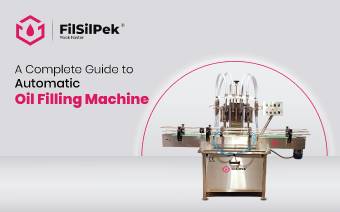
A Complete Guide to Automatic oil filling machines
Oil packaging has changed a lot over the last decade. What once depended heavily on manual labor…..