
How is an Automatic Oil Filling Machine Installed on a Production Line?
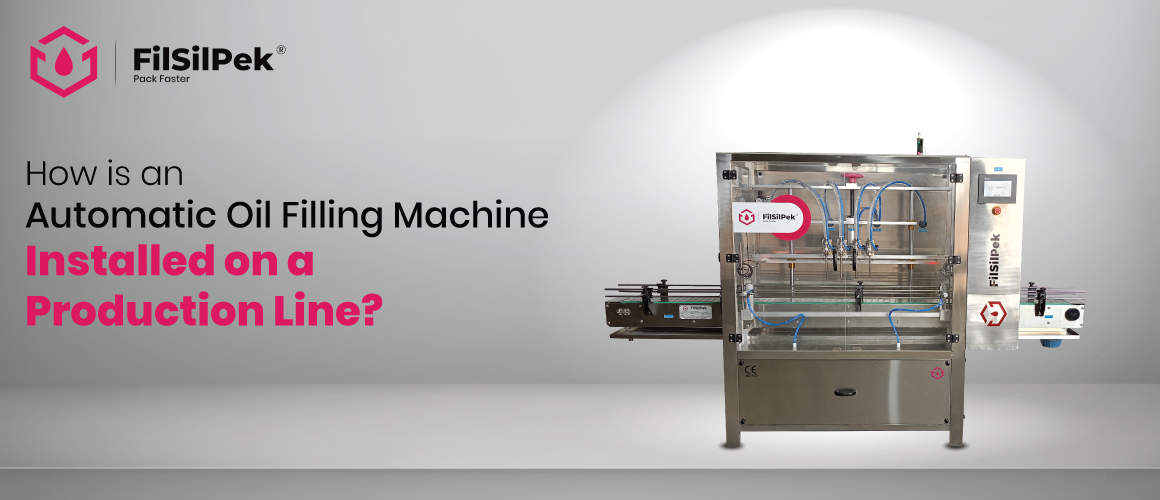
Automatic oil filling machine installation is more than just unloading a crate and plugging it in. It is a coordinated process that ties together mechanical setup, fluid handling, electrical safety, and line integration. Done right, the machine has been running smoothly for years. Done poorly; it becomes a bottleneck that causes leaks, downtime, and inconsistent fills, even if the machine itself is high quality.
In 2026, most automatic oil filling machines are designed for modular production lines. That means they must connect seamlessly with upstream conveyors, downstream cappers, and central control systems. But every plant layout is different. Some have tight floor space; others use legacy conveyors, and a few still rely on manual bottle feeding at certain stages. The installation approach must adapt to these realities without compromising performance or safety.
This article walks through the actual steps involved in installing an automatic oil filling machine on a live production line.
What You Need Before the Machine Even Arrives
A smooth installation starts weeks before delivery. The biggest delays happen not because of the machine, but because the site wasn’t ready. Here’s what experienced teams check in advance:
- Confirm floor load capacity. Most automatic fillers weigh between 800 and 2,500 kg and need a level, reinforced surface
- Verify power supply matches the machine’s voltage, phase, and amperage requirements (many newer models run on 230V/3-phase but always double-check)
- Ensure compressed air is clean, dry, and delivered at 6–7 bar with proper filtration. Oil-lubricated air lines can contaminate food-grade systems
- Plan drainage or spill containment under the filling zone, especially for high-viscosity oils that drip during nozzle retraction
- Measure doorways, hallways, and ceiling height to avoid surprises during rigging. Some rotary fillers require overhead crane access
- Assign a cross-functional team: one mechanic, one electrician, one operator, and ideally someone from quality assurance
- Request the manufacturer’s foundation drawing and utility layout early. It shows exact anchor points, conduit paths, and service zones
Skipping any of these steps often leads to last-minute fixes, extended downtime, or even voided warranties if the machine is forced into an unsuitable space.
Step-by-Step Installation Process Used in Plants
Once the machine arrives and the site is ready, the physical and technical setup follows a standard sequence, but with room for customization based on your line. Here’s how it typically unfolds:
- Unpack and inspect the machine for shipping damage, then position it using a forklift or roller skates on the pre-marked footprint
- Anchor the frame to the floor with chemical or mechanical bolts to prevent vibration during high-speed cycles
- Connect main power through a dedicated circuit breaker with emergency stop wiring tied into the plant’s safety loop
- Link compressed air lines with quick-disconnect fittings and install pressure regulators near the machine inlet
- Install the oil supply line from your storage tank or drum pump, using stainless steel tubing or food-grade hoses rated for your oil type
- Align the machine’s infeed and outfeed star wheels or indexing plates with your existing conveyor using laser levels or mechanical guides
- Integrate photoelectric sensors or encoders, so the filler knows when a bottle is in position. These syncs with upstream accumulation zones
- Load the correct nozzle set and adjust height and centering for your bottle neck diameter to prevent splashing or mis fills
- Power up the HMI and run a dry cycle (no oil) to test motor directions, valve timing, and emergency stops
- Perform a wet calibration using water or low-cost oil to verify fill volume accuracy across multiple cycles and speeds
Most installations take 2 to 4 days for a standard linear filler, while rotary models may need 5 to 7 days due to complexity.
Common Pitfalls and How to Avoid Them
Even experienced teams run into issues. The good news is most problems are predictable and preventable:
- Misaligned conveyors cause bottles to jam or tip. Always use adjustable guide rails and test with empty containers before running product
- Air pressure fluctuations lead to inconsistent fills. Install a local air receiver tank near the machine to buffer demand spikes
- Oil temperature changes affect viscosity. If your oil is stored cold, add a pre-heating loop or insulated feed line to stabilize flow
- Electrical noise from nearby motors can disrupt sensor signals. Use shielded cables and separate control wiring from power lines
- Skipping validation runs risks compliance gaps. Run at least three full batches at different speeds and document fill weights for QA records
Summing it up
Getting an automatic oil filling machine up and running is a blend of engineering precision and practical know-how. It is not just about bolting parts together. This whole process is about creating a reliable link in your production chain that delivers consistent fills, meets safety standards, and integrates with your workflow.
If you are planning an installation this year, don’t rely on guesswork or generic manuals. Work with a supplier who provides on-site support and understands your specific oil, container, and line layout.
For expert guidance on installing automatic oil filling machines, including site audits, utility planning, and post-install validation, feel free to contact our Automatic oil filling machine experts at [email protected].
How Do You Choose Between Semi-Automatic and Fully Automatic Oil Filling Machines?
Oil filling is a critical step in packaging operations across industries…..
What role does PLC play in automatic oil filling machines?
Automatic oil filling machines run many small and complex actions at the same time. Each bottle…..
A Complete Guide to Automatic oil filling machines
Oil packaging has changed a lot over the last decade. What once depended heavily on manual labor…..