Maintenance tips and best practices to extend the life of your filling & capping line
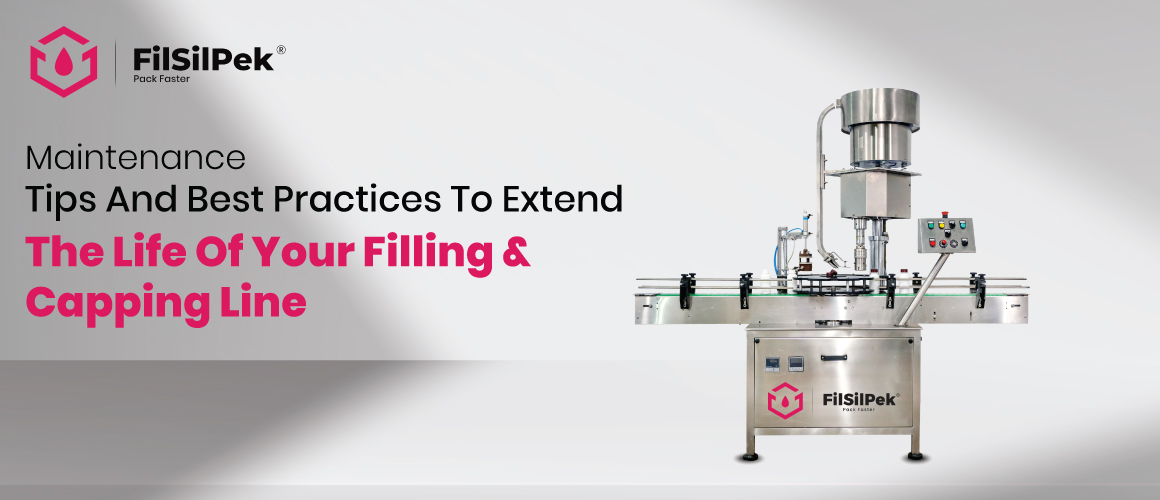
A filling and capping line operate at the heart of production. It handles product flow, container movement, sealing integrity, and output consistency often under long shifts and demanding schedules. Any instability in this line quickly reflects downtime, wastage, or quality deviations.
Most premature failures in filling and capping equipment are not caused by design limitations. They happen due to small oversights in routine care, rushed changeovers, or delayed attention to early warning signs. Over time, these small gaps reduce machine reliability and shorten component life.
In this article, we will cover practical maintenance practices, daily and periodic checks, and execution-focused methods that help extend the working life of filling and capping lines while keeping production stable.
Why filling & capping lines demand a different maintenance approach
Filling and capping systems are not single machines. They are integrated assemblies where mechanical movement, fluid handling, control logic, and container dynamics work together. A problem in one area often creates stress in another, which is why isolated fixes rarely work in the long run.
Maintenance for these lines must account for continuous motion, frequent format changes, and strict hygiene requirements. This makes routine care more structured and process-driven than general plant equipment maintenance.
Key factors that make these lines maintenance-sensitive:
- Continuous high-speed operation with minimal idle time
- Frequent container, cap, and product changeovers
- Close interaction between mechanical, pneumatic, and electrical systems
- Direct impact on product quality and compliance
Core maintenance practices that extend equipment life
Effective maintenance on a filling and capping line is driven by how the machine behaves during continuous production. These practices focus on early fault detection, controlled mechanical loading, and system stability rather than reacting after breakdowns occur.
Structured inspection routines across shifts
Early wear in filling and capping equipment rarely appears as visible damage. It shows up as small changes in sound, vibration, heat, or movement consistency during live operation. Inspections carried out during production help catch these signs before they affect output or spread to adjacent assemblies.
- Monitor vibration and noise near cams, gearboxes, and capping heads
- Observe filling nozzle motion at actual operating speed
- Check motor and bearing temperatures during long runs
- Inspect fasteners and mounts exposed to continuous motion
Lubrication aligned with operating speed and load
Lubrication directly influences friction, heat generation, and surface wear in high-speed filling and capping lines. Problems often arise not because lubrication is missed, but because the lubricant type or quantity does not match the operating conditions.
A lubrication plan must consider running speed, load, duty cycle, and environmental exposure. When lubrication is treated as a technical activity rather than a routine task, component life improves significantly.
- Select lubricants based on load rating and operating speed
- Schedule lubrication intervals using actual running hours
- Avoid over-lubrication that increases drag and heat
- Clean grease points before application
- Inspect seals and housings for leakage after lubrication
Controlled changeover and setup discipline
Changeovers introduce the highest mechanical stress into filling and capping lines. Small setup errors during format change slowly disturb alignment and create uneven loading on shafts, bearings, and guides, which accelerates wear over time.
- Follow documented settings for each container and cap format
- Adjust filling heights and torque heads uniformly across stations
- Verify star wheel, guide, and gripper alignment
- Avoid force-fitting components during adjustments
- Run the line at reduced speed before full production
- Recheck critical settings after the first production batch
Cleaning practices that protect mechanical integrity
Cleaning routines affect equipment’s life as much as production does, especially in liquid filling environments. Aggressive wash-downs often remove lubrication, damage seals, and force moisture into bearings and electrical components.
Cleaning procedures must balance hygiene needs with mechanical protection. Poor cleaning methods can shorten component life faster than continuous operation.
- Use cleaning agents compatible with seals and surface finishes
- Prevent high-pressure water from entering bearings and motor shafts
- Reapply lubrication where wash-down removes protective films
- Inspect O-rings and gaskets after cleaning cycles
- Dry mechanical and electrical zones before restarting
Electrical, sensor, and control system stability
Electrical instability often causes repeated machine stoppages that increase mechanical stress across filling and capping systems. Loose terminals, contaminated sensors, and signal drift create false alarms and frequent start-stop cycles.
- Tighten terminals affected by vibration
- Clean sensors used for bottle detection and cap presence
- Verify encoder alignment and signal consistency
- Review PLC fault logs for recurring alarms
Spare part management and wear tracking
Wear components in filling and capping lines to degrade in predictable patterns based on speed, product type, and changeover frequency. Waiting for complete failure often results in extended downtime and secondary damage.
Tracking wear history and planning replacements ensure stable performance even during demanding production schedules.
- Identify high-wear parts such as seals, valves, clutches, and sensors
- Maintain minimum stock levels for critical spares
- Record replacement intervals against running hours
- Inspect removed parts to understand wear patterns
- Store spares in clean, controlled conditions
Practical ways to implement maintenance discipline on the shop floor
- Assign clear ownership for daily, weekly, and monthly maintenance tasks, so accountability stays consistent across shifts and responsibilities do not get diluted.
- Use standardized checklists for inspections and changeovers to ensure maintenance quality does not depend on individual experience or memory.
- Carry out inspections during live production whenever possible, as many mechanical and control-related issues only appear under real operating conditions.
- Document and follow approved changeover settings for every container and cap format to avoid repeated trial-and-error adjustments on the line.
- Log recurring alarms, minor faults, and adjustments instead of treating them as isolated events, helping teams identify deeper system-level issues.
- Train operators recognize and report early warning signs such as abnormal noise, vibration, or filling variation rather than waiting for stoppages.
- Keep critical tools, consumables, and fast-moving spares close to the filling and capping line to reduce response time during adjustments.
- Review maintenance logs and inspection records regularly to identify patterns that indicate developing wear or process instability.
- Plan maintenance activities around actual production load to prevent rushed work that often leads to incomplete checks or incorrect settings.
- Ensure new operators and technicians receive hands-on training before handling changeovers or adjustments to protect machine alignment and consistency.
Summing it up
Extending the life of a filling and capping line does not depend on major overhauls or frequent part replacements. It depends on how well daily care, inspections, cleaning, and adjustments are handled across every shift. When machines are maintained with consistency and technical awareness, they deliver stable output year after year.
Filsilpek designs filling and capping solutions for long-term industrial performance, but the real value comes from how well those systems are maintained on the shop floor. If you are looking to strengthen your maintenance approach or need expert guidance for your filling and capping line, connect with the Filsilpek team at [email protected]
What Makes Filsilpek’s Viscous Filling Line a Trusted Choice for Food Manufacturers?
In the food manufacturing industry, handling thick or semi-solid….
Top Trends to Watch in the Automated Filling and Packaging Industry in 2026 and Beyond
The automated liquid filling and packaging…
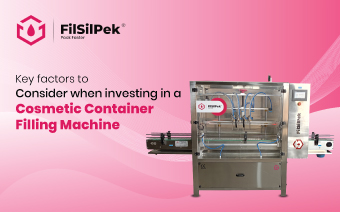
Key factors to consider when investing in a cosmetic container filling machine
Choosing the right filling machine for cosmetic products…