How do automatic oil filling machines reduce oxidation and improve shelf life of edible oils?
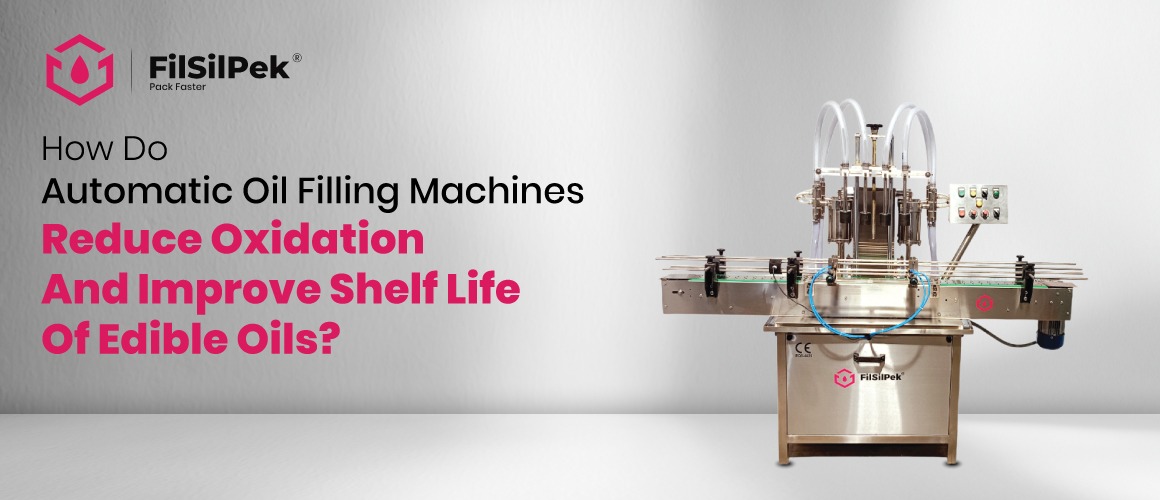
Edible oil oxidation remains one of the most persistent challenges in food processing, causing financial losses estimated at millions annually across the industry. The chemical degradation begins immediately upon oxygen exposure, breaking down unsaturated fatty acids into peroxides and secondary oxidation products that compromise both safety and quality. Manufacturers face mounting pressure from retailers demanding longer shelf life, and consumers are increasingly aware of oil freshness indicators.
Automatic oil filling machines address this fundamental problem through engineered solutions that control the packaging environment at molecular levels. Unlike traditional gravity or manual filling systems that allow uncontrolled air ingress, modern automatic fillers integrate multiple barrier technologies working in sequence to create an inert atmosphere around the product. This systematic approach transforms packaging from a simple containment process into an active preservation strategy.
This article examines the technical mechanisms behind automatic oil filling systems and their measurable impact on oxidation prevention and shelf-life extension.
What are oxidation pathways in edible oils?
Oxidation in edible oils follows predictable chemical mechanisms governed primarily by oxygen concentration, temperature exposure, light penetration, and catalyst presence. The process initiates when oxygen molecules attack double bonds in unsaturated fatty acids, forming hydroperoxides as primary oxidation products. These unstable compounds further degrade into secondary products including aldehydes, ketones, and carboxylic acids that create detectable rancidity.
The rate of oxidation accelerates exponentially with increasing oxygen availability. Industry research demonstrates that reducing headspace oxygen from 21% (ambient air) to below 2% can extend oil shelf life by 200-300%. Temperature plays an equally critical role, with every 10°C increase doubling oxidation reaction rates according to the Arrhenius equation. Light exposure, particularly UV wavelengths, generates free radicals that initiate chain reactions even in the absence of significant oxygen presence.
Manufacturers operating without controlled atmosphere packaging typically experience peroxide value increases of 5-8 meq/kg within the first three months of storage. Premium oil brands targeting 12–18-month shelf life require oxygen levels below 0.5% in final packages to maintain peroxide values under industry acceptable limits of 10 meq/kg throughout the intended storage period.
Which mechanisms preventing oxidation in automatic oil filling systems
Automatic oil filling machines employ a multi barrier approach to oxidation prevention, combining mechanical precision with atmospheric control to create optimal packaging conditions. The core technology centers on nitrogen inerting systems that displace oxygen from both product pathways and container headspace. Advanced machines achieve oxygen levels below 0.5% in final packages, extending induction periods by 3-4 times compared to air filled containers.
The filling process begins with pre-evacuation of containers using vacuum systems that remove 90-95% of ambient air before oil introduction. Simultaneously, nitrogen generators produce food grade N2 with purity levels exceeding 99.5%, which is injected through strategically positioned nozzles to create laminar flow patterns that sweep remaining oxygen from container walls. Temperature controlled filling heads maintain oil between 25-35°C to optimize viscosity while preventing thermal degradation during transfer.
Vacuum pre-evacuation systems remove bulk oxygen before filling begins
The vacuum evacuation stage creates negative pressure inside empty containers, extracting 90-95% of ambient air before any oil contact occurs. This pre treatment reduces the initial oxygen load that subsequent nitrogen flushing must displace. Vacuum levels typically reach 600-700 mmHg, sufficient to remove free oxygen while avoiding container deformation. The evacuation cycle lasts 2-3 seconds per container, synchronized with the filling line indexing mechanism to maintain production throughput without compromising oxygen removal efficiency.
Counter pressure nitrogen injection maintains positive pressure during transfer
Nitrogen injection begins immediately after vacuum evacuation, establishing positive pressure inside the container before oil introduction. This counter pressure technique prevents ambient air from re entering during the filling cycle. The system delivers nitrogen at controlled flow rates of 15-25 liters per minute depending on container volume, maintaining pressure between 0.2-0.4 bar above atmospheric levels. Pressure sensors continuously monitor the inert atmosphere, automatically adjusting flow rates to compensate for any pressure drops during high speed production runs.
- Pressure regulation accuracy within ±0.05 bar ensures consistent inerting
- Flow rate adjustment based on container size prevents over pressurization
- Redundant pressure sensors provide fail safe monitoring during operation
Laminar flow nozzle design minimizes turbulence and air entrainment
The filling nozzle geometry plays a critical role in preventing air incorporation during oil transfer. Laminar flow designs direct oil along container walls in smooth, non turbulent streams that avoid splashing and foam formation. Bottom up filling techniques position the nozzle near the container base, allowing oil to rise gradually while displaced nitrogen exits through dedicated vent ports. This approach prevents vortex formation that typically entrains air bubbles in traditional top down filling systems.
Multi point gas flushing ensures complete oxygen displacement throughout the cycle
Advanced filling machines apply nitrogen at three strategic points during the packaging sequence. Initial flushing occurs during container evacuation, secondary injection happens simultaneously with oil filling, and final top up flushing completes the process immediately before capping. This three stage approach ensures oxygen displacement at every critical juncture, achieving residual oxygen levels below 0.3% in properly configured systems. The final flush typically lasts 1-2 seconds, providing sufficient time for complete headspace replacement without slowing production rates.
Precision volumetric control prevents headspace variation and overfilling
Servo driven piston pumps deliver exact oil volumes with ±0.5% accuracy, ensuring consistent headspace dimensions across all containers. Variable frequency drives adjust pump speed based on oil viscosity and temperature, maintaining laminar flow characteristics regardless of product variations. Fill level sensors detect any deviations exceeding tolerance limits and automatically reject non-conforming containers before they proceed to the capping station.
Immediate sealing integration minimizes post fill oxygen exposure time
The filling and capping stations operate in synchronized sequence, with containers moving directly from the filling nozzle to the capping head without intermediate handling. This integrated design reduces the time between filling completion and seal formation to less than 2 seconds, preventing oxygen re ingress during transfer. Induction sealing systems apply hermetic seals with consistent torque values, verified by integrated torque monitoring sensors that reject containers with inadequate seal integrity.
Critical machine specifications for oxidation resistant oil packaging
Selecting the right automatic oil filling machine requires understanding specific technical parameters that directly impact oxidation prevention capabilities. Machine specifications should align with production volume, oil viscosity range, and container types while prioritizing features that minimize oxygen ingress throughout the packaging cycle.
- Nitrogen purity requirements of 99.5% minimum with dew point below 40°C
- Filling speed ranges from 1000-6000 bottles per hour depending on configuration
- Viscosity handling capacity from 20-1000 cSt for various oil types
- Container size flexibility supporting volumes from 200ml to 5 liters
- Material construction using AISI 316L stainless steel for product contact surfaces
- Control system integration featuring PLC automation with HMI interfaces
- CIP/SIP capabilities for automated cleaning between production runs
Operational protocols for maximizing oxidation prevention
Achieving optimal oxidation control requires strict adherence to operational protocols that maintain the integrity of the inert atmosphere throughout production. Pre-production preparation involves purging all product lines and nitrogen delivery systems to eliminate residual oxygen from previous runs. Filling parameters must be calibrated for each oil type, considering viscosity variations that affect flow characteristics and air entrainment potential.
Continuous monitoring systems should track critical parameters including nitrogen pressure, oxygen levels in headspace, fill temperatures, and seal integrity. Statistical process control charts help identify trends before they impact product quality. Regular maintenance schedules for nitrogen generators, pressure regulators, and sealing mechanisms ensure consistent performance over extended production periods.
Conclusion
Automatic oil filling machines deliver measurable improvements in edible oil shelf life through engineered oxidation prevention systems that control the packaging environment at critical points. The integration of vacuum technology, nitrogen inerting, and precision filling creates multiple barriers against oxygen ingress, extending product freshness by 2-3 times compared to conventional methods. Manufacturers investing in these systems gain competitive advantages through reduced waste, improved quality consistency, and enhanced brand reputation.
The technical specifications and operational protocols required for effective oxidation control demand careful planning and execution. However, the return on investment becomes evident through extended shelf life, reduced customer complaints, and increased market share in quality conscious segments. As consumer expectations for oil freshness continue rising, automatic filling technology represents an essential capability for modern edible oil producers.
Ready to implement oxidation control technology in your oil packaging line? Contact our technical specialists at [email protected] to evaluate automatic filling solutions for your specific production requirements.
How is an Automatic Oil Filling Machine Installed on a Production Line?
Installing an automatic oil filling machine is more than just…..
How Do You Choose Between Semi-Automatic and Fully Automatic Oil Filling Machines?
Oil filling is a critical step in packaging operations across industries…..
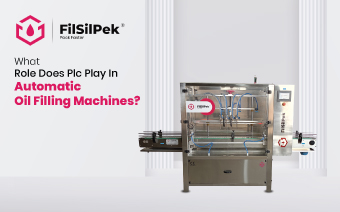
What role does PLC play in automatic oil filling machines?
Automatic oil filling machines run many small and complex actions at the same time. Each bottle…..