Comparing piston vs. gravity filling machines: Which one suits your product best?
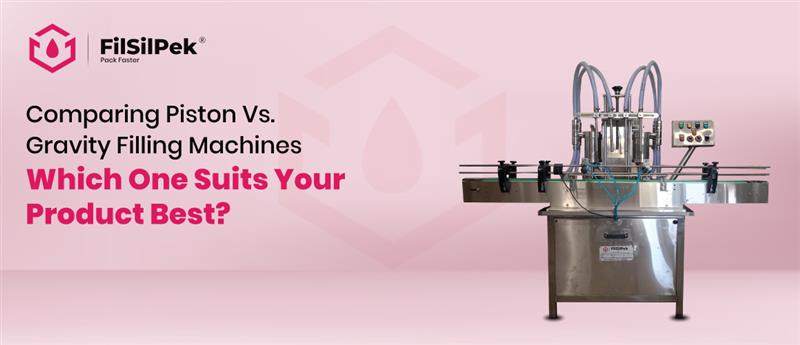
Filling machines are a core part of any liquid packaging line. Choosing the right type can make a big difference in speed, accuracy, and product quality. With so many options, manufacturers often find themselves deciding between piston and gravity filling systems. Both have clear strengths, but they serve very different needs based on product type and production goals.
Piston fillers use a mechanical plunger to move a precise amount of liquid into each container. Gravity fillers rely on the natural flow of liquid from a tank positioned above the containers. Neither system is universally better. The best choice depends on your product’s physical properties, container type, and daily output targets.
This article breaks down how piston and gravity filling machines work, where each excels, and which product types benefit most from each system. You will also find key factors to consider before making a final decision for your production line.
How piston filling machines deliver precision for thick or variable liquids
Piston filling machines draw product into a cylinder and then push it out using a plunger. This method allows for exact control over fill volume, even when dealing with products that change viscosity with temperature or shear. Because each stroke moves the same measured amount, piston fillers maintain consistent fills across long production runs.
These machines handle a wide range of container sizes and shapes. They are especially useful when dealing with thicker liquids like sauces, syrups, concentrates, or products with suspended particles. The mechanical action ensures the product moves reliably without relying on free flow, which thick or sticky liquids often resist.
- Deliver high fill accuracy down to ±0.5%
- Ideal for viscous products like ketchup, honey, or lotions
- Handle products with particulates or pulps without clogging
- Support fast cycle times for medium to high volume lines
- Work well with irregular or narrow-neck containers
- Allow quick changeovers between different fill volumes
- Require more maintenance due to moving parts in contact with product
- Higher initial investment compared to basic gravity systems
Why gravity fillers excel with free-flowing, low-viscosity products
Gravity filling machines work by holding product in an elevated tank and letting it flow into containers below through timed or level-controlled valves. The system depends on consistent liquid flow, so it performs best with thin, free-flowing products like water, juices, or light oils. Simplicity is the main advantage—fewer moving parts mean less wear and easier cleaning.
These systems are cost effective for small to mid-sized operations that do not need ultra high speed. They are also gentle on foamy or aerated products because they avoid the suction and pressure cycles used in piston systems. However, they are less adaptable when product viscosity changes or when exact fill volumes are critical.
- Low upfront cost and simple mechanical design
- Best for water-thin liquids with consistent flow
- Gentle filling action reduces foaming or aeration
- Easy to clean and maintain with minimal parts
- Not suitable for thick or particle-laden products
- Fill accuracy depends heavily on consistent product temperature and viscosity
- Requires stable head height and level control for repeatable results
- Limited flexibility with container shapes or fill volumes
Key factors to consider before choosing your filling method
Selecting the right filling method starts with a clear look at your product and production environment. The wrong choice can lead to inconsistent fills, excess waste, or frequent machine jams. To avoid these issues, evaluate your product’s flow behavior, container design, output goals, and future plans before committing to a system.
- Product viscosity – Thick or semi-solid products like syrups, gels, or pastes require the controlled displacement of a piston filler, while thin, free-flowing liquids like water or alcohol work well with gravity systems.
- Presence of particulates – Products with pulp, seeds, or suspended solids need piston fillers that can move chunks without clogging; gravity fillers may struggle or block.
- Container shape and opening size – Narrow necks, pouches, or irregular bottles often need the pressurized delivery of piston systems to ensure complete and accurate fills.
- Required fill accuracy – If your product demands tight tolerances (±1% or better), piston fillers offer repeatable volumetric control that gravity systems cannot match consistently.
- Production speed – High output lines benefit from the faster cycle times of piston machines, while gravity fillers are better suited for low to medium volume runs.
- Foam sensitivity – Foamy liquids like shampoos or certain beverages fill more cleanly with gravity systems that avoid suction and pressure spikes that increase aeration.
- Changeover frequency – If you run multiple products or pack sizes, piston fillers with digital volume controls allow quicker and more precise adjustments.
- Future product expansion – Investing in a piston system gives flexibility to handle a wider range of future products, especially if you plan to move into thicker or textured formulations.
Final thoughts
Choosing between piston and gravity filling machines is not about which technology is newer or more advanced. It is about aligning the machine’s strengths with your product’s behavior on the production floor. A mismatch can lead to wasted product, inconsistent fills, and frequent downtime.
Take time to run side by side trials with your actual product and containers. Talk to your equipment supplier about real world performance with similar products. The right filling system will pay for itself through reduced waste, fewer rejections, and smoother daily operations.
Ready to find the best fit for your line? – Reach out to the experts at [email protected] for a detailed consultation and machine recommendation based on your specific product and production needs.
What Makes Filsilpek’s Viscous Filling Line a Trusted Choice for Food Manufacturers?
In the food manufacturing industry, handling thick or semi-solid….
Top Trends to Watch in the Automated Filling and Packaging Industry in 2026 and Beyond
The automated liquid filling and packaging…
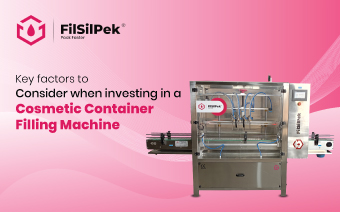
Key factors to consider when investing in a cosmetic container filling machine
Choosing the right filling machine for cosmetic products…