How to design a flexible packaging line to handle multi-size SKU changes smoothly
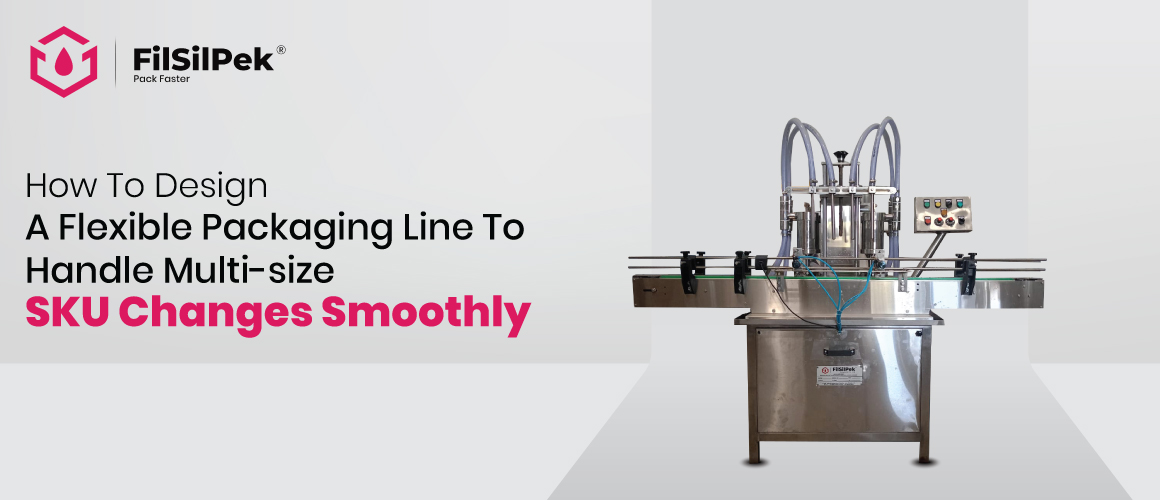
Many factories today deal with a long list of product sizes, shapes, pack counts, and materials. As market demand shifts, production lines often struggle to keep up, especially when the team has to switch between SKUs several times a day. Each change can slow output, raise waste, and increase the load on supervisors who already juggle tight timelines.
What is a flexible packaging line?
A flexible packaging line is a production setup that can pack products of different sizes and formats with minimal adjustments. It uses adaptable machinery, adjustable components, and automated controls to minimise the time needed for switching.
The idea is to build a packaging flow where operators don’t have to dismantle half the system every time a new SKU comes in. Instead, settings, filling heads, conveyors, sealing modules, and sensors adjust quickly to match the new requirement.
When the packaging setup is not planned for multi-size handling, even small adjustments can push the team into repeated trial runs, downtime, and reduced consistency. Over time, these delays start showing higher operational costs, missed dispatch targets, and pressure management to “fix speed issues” without clear direction.
This article explains how factories can design a smart, flexible packaging line built to shift between different SKUs smoothly, without slowdowns or guesswork.
Why flexible packaging matters for multi-size SKUs?
When a packaging setup needs frequent changes between different sizes, even small delays can slow down the entire output. A flexible system helps teams move from one format to another without long stoppages or repeated trials. It keeps the shift smooth, so production doesn’t get stuck at every adjustment.
This kind of adaptability becomes even more important when factories deal with seasonal demand, short batches, or quick customer requests. It helps the business stay stable during rush periods and reduces the load on operators who otherwise struggle with constant reset of work.
- It cuts the time spent on dismantling or adjusting machine parts during every change.
- It supports faster response when a customer requests new pack sizes or short custom runs.
- It reduces the number of trial batches that usually happen after each switch.
- It limits wastage of pouches, bottles, and caps caused by manual guesswork.
- It keeps filling, sealing, and labeling accuracy steady during every format shift.
- It helps maintain daily production targets even with multiple SKUs in a single shift.
- It lowers operator fatigue by reducing repetitive mechanical adjustments.
- It keeps maintenance teams free from frequent alignment complaints.
- It makes the overall packaging flow more predictable for supervisors and planners.
Key design elements for a flexible packaging line
Planning a packaging line for wide SKU variations needs a clear approach. Teams must look at machine behavior, product nature, shift frequency, and handling tasks. A well-planned setup reduces manual work and creates a predictable switching sequence for operators.
1. Start with modular machine selection
Choosing equipment designed with plug-and-adjust parts helps the team shift from one product to the next without long breaks.
- Adjustable filling heads
Enable quick position changes for different volumes and containers. Ideal for businesses that pack viscous, semi-viscous, or free-flow liquids with frequent size changes. - Tool-less changeover features
Reduce the waiting time operators face during mechanical resets. Components slide, lock, or rotate easily without specialized tools. - Interchangeable nozzles and feed systems
Allow operators to switch between thick and thin materials quickly. This reduces cleaning time and maintains smooth flow during back-to-back batches. - Height-adjustable sealing units
Make it easier to handle tall, short, or wide pouches without realignment of the full sealing assembly.
2. Build a conveyor layout that adapts
The conveyor structure decides how easily containers or pouches move during size changeovers.
- Width-flexible conveyors
Help the team run multiple formats on the same line without shifting the entire belt. This prevents constant mechanical resets. - Variable-speed drives
Fine-tune the flow based on product size and weight, helping avoid jams or uneven feed movement during high-volume phases. - Guided container path adjustments
Operators can reposition guides smoothly to support SKUs with varying diameters, shapes, or pouch widths.
3. Use automated controls for quick switching
Automation removes a lot of manual intervention that slows down changeovers.
- Pre-set recipe management
Stores ready parameters for each SKU. Operators just select the product name, and the system adjusts the filling volume, conveyor speed, and sealing settings. - Digital calibration features
Reduce guesswork during filling, cutting, sealing, and printing. Operators follow digital prompts rather than manual tables. - Smart sensing
Detects container height, shape, or pouch presence and automatically adjusts feeding steps, reducing risk of spillage or sealing errors.
4. Plan workspace layout for frequent transitions
Workflow spacing often decides how quickly teams can prepare for the next SKU.
- Clear service areas around filling and sealing stations
Give operators space for quick cleaning, adjustment, and inspection. Saves time during peak schedules. - Shadow boards for quick-access tools
Help operators find essential changeover tools instantly instead of searching around the shop floor. - Defined cleaning and prep zones
Make routine cleaning predictable and faster, especially when switching between products with different ingredients.
5. Train teams to follow a structured changeover routine
Even the best machines fail to deliver smooth switching without a trained workforce.
- Standard changeover checklist
Guides operators on what needs to be adjusted, cleaned, or locked for each SKU. Reduces missed steps. - Clear visual instructions
Helps new or rotating staff follow the same method during each batch change. - Regular changeover drills
Improve consistency, reduce human delays, and reveal bottlenecks early.
6. Select machinery designed for SKU-heavy industries
Packaging lines in personal care, food, chemicals, or household products often deal with wide variations. Choosing equipment built for such industries ensures fewer complications.
- Machines with high viscosity compatibility
Useful when a business packs thin oils, thick gels, creams, or paste-like products under the same roof. - Quick-drain cleaning systems
Help when switching between flavors, colors, or ingredients. - Integrated date coding and marking solutions
Avoid manual relabeling during transitions.
How automation partners like Filsilpek make multi-SKU handling easier
Filsilpek’s automation solutions are built for factories that deal with a wide mix of product sizes, materials, and formats. Their machines are designed to switch quickly between SKUs without pushing teams into long setup breaks.
The focus is on helping operators manage frequent changes with stable output, clean transitions, and minimal manual work.
- Their filling machines support adjustable nozzle spacing to fit different container widths.
- Recipe-based controls let teams load saved settings for each SKU with a single selection.
- Height-adjustable modules allow smooth handling of tall, short, wide, or narrow containers.
- Automated volume control maintains consistent filling results across varied pack sizes.
- Quick-clean systems reduce downtime during shifts between flavours, colours, or ingredients.
- Guided conveyor adjustments help the line align containers of different shapes without heavy manual fixing.
- Smart sensing identifies container presence and avoids spillage or misfeed during fast switching.
- Integrated date coding units adjust automatically for label size changes.
- Their systems support both thin and thick materials, allowing the same line to handle oils, creams, gels, and paste-like products.
Practical tips to streamline SKU switching on flexible packaging lines
A few practical steps can help factories make their multi-size transitions even more smooth.
- Use color-coded parts for size-based adjustments.
- Keep separate containers for small, medium, and large cleaning tools.
- Store digital logs for each changeover to analyze weekly trends.
- Rotate staff so all operators learn every SKU format.
- Maintain a buffer batch plan to handle unexpected orders.
- Keep a dedicated area for pre-cleaning new components before switching.
- Review machine calibration twice a week for high-variation lines.
Conclusion
A flexible packaging line isn’t built overnight. It comes from clear planning, smart tooling, adaptable machinery, and a team trained to manage quick transitions. Once these pieces come together, factories can run multiple SKUs with fewer stoppages, fewer errors, and far better throughput.
If your business handles a wide mix of product sizes and wants smoother, faster, and cleaner changeovers, the right automation setup can make a huge difference. For packaging machinery designed for multi-size SKU operations, feel free to reach out our experts at [email protected].
Comparing piston vs. gravity filling machines: Which one suits your product best?
Filling machines are a core part of any liquid packaging…..
Maintenance tips and best practices to extend the life of your filling & capping line
A filling and capping line operate at the heart of production…..
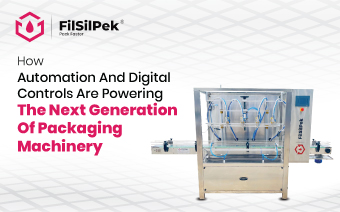
How Automation and Digital Controls Are Powering the Next Generation of Packaging Machinery
Packaging machinery has moved far…