Biodegradable & paper-based packaging – upgrading liquid filling equipment
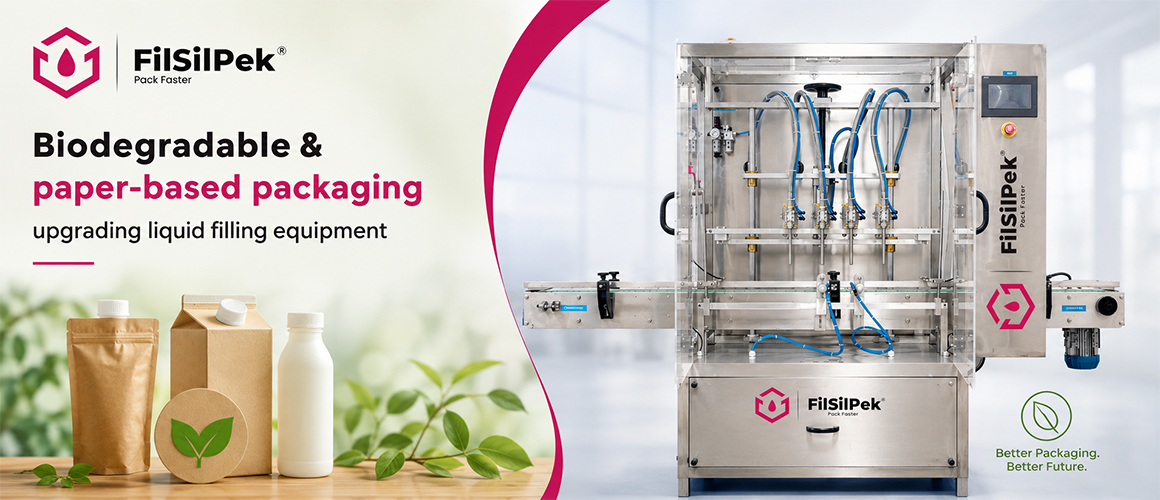
Thinking about switching to biodegradable or paper-based packaging for your liquids? It’s a smart move, and the good news is, upgrading your liquid filling equipment to handle these materials is definitely achievable. You’ll need to consider some specific adjustments and potentially new technology, but it’s less about a complete overhaul and more about strategic upgrades.
The Growing Trend: Biodegradable & Paper-Based Packaging
There’s no getting around it – consumer demand for sustainable packaging is skyrocketing. This isn’t just a fleeting trend; it’s a fundamental shift in how businesses and individuals perceive their environmental impact. For liquid product manufacturers, this means looking beyond traditional plastics and embracing materials that break down naturally.
Why the Shift? More Than Just Greenwashing
It’s easy to dismiss sustainability as a marketing buzzword, but for many consumers, it’s a genuine concern influencing purchasing decisions. They’re tired of seeing mountains of plastic waste and are actively seeking out brands that align with their values. This pressure extends throughout the supply chain, pushing manufacturers to find viable eco-friendly alternatives.
What Exactly Are We Talking About? Defining the Terms
When we say “biodegradable,” it generally means a material can be broken down by natural biological processes over time. “Paper-based” is more straightforward, referring to packaging derived from wood pulp. The exciting developments are in how these materials are being engineered for liquid containment, moving beyond simple cartons to more sophisticated, barrier-coated options.
The “Why Now?” for Liquid Filling
For a long time, the idea of using paper or biodegradable materials for liquids seemed problematic. Leaks, spoilage, and barrier properties were major hurdles. However, advancements in material science and manufacturing have opened up new possibilities, making these options increasingly practical and reliable for a wide range of liquid products.
Upgrading Your Liquid Filling Equipment: The Practicalities
So, you’ve decided on a more sustainable packaging route. That leaves the big question: can your current liquid filling equipment handle it? The answer is often yes, with some targeted upgrades. It’s rarely about throwing everything out and starting from scratch.
Understanding the Material Differences
The core difference between traditional plastic and newer biodegradable or paper-based materials lies in their physical properties. Plastics are generally more rigid, less absorbent, and have inherent barrier qualities. Paper, while fibrous, can become soft and permeable when wet. Biodegradable materials, depending on their composition, can also have different handling characteristics.
- Flexibility and Rigidity: Some biodegradable films might be more prone to stretching or tearing than standard PET. Paperboard can require more careful handling to prevent creasing or damage.
- Moisture Sensitivity: This is a big one. Paper-based materials, even with coatings, can be more sensitive to moisture in the filling environment or from the product itself.
- Adhesion and Sealing: The way you seal a biodegradable pouch or a paper carton might require different methods or adjustments compared to heat-sealing plastic.
Key Equipment Adaptations You’ll Likely Face
The good news is that most modern liquid filling machines are designed with a degree of modularity. This means you can often swap out components or fine-tune settings rather than purchasing an entirely new machine.
- Filling Nozzle Adjustments
The type of nozzle and its interaction with the packaging material is crucial.
- Product Viscosity and Flow: If your liquid is highly viscous, you might need a different nozzle type or a gentler filling speed to prevent splashing or damaging thinner packaging.
- Material Interaction: Some materials can be slightly abrasive. While less common with paper or common biodegradables than with very composite materials, it’s something to be aware of. The nozzle needs to be designed to not snag or tear the material as it fills or retracts.
- Foaming Tendencies: If your product tends to foam, especially when interacting with new materials, you might need to adjust fill speeds or explore specialized anti-foam nozzles.
- Sealing Mechanisms
This is often where the most significant modifications occur.
- Heat Sealing: For many biodegradable films (think pouches), heat sealing is the go-to. You’ll need to ensure your machine can achieve the correct temperature and pressure for the specific film, as different materials have different melting points and sealing windows. Too much heat can degrade the material, too little and it won’t seal.
- Capping and Closure: If you’re using pre-formed paper-based containers with caps, the capping head might need adjustments to ensure a secure and consistent fit, especially if the container rim is slightly less rigid than plastic.
- Crimping and Folding: For certain types of paper-based cartons or pouches, specific crimping or folding mechanisms might be required, and your existing equipment might need an upgrade to achieve these actions precisely.
- Conveyor and Handling Systems
The way your packaging moves through the line needs careful consideration.
- Gentle Handling: Paperboard and some biodegradable materials can be more susceptible to dents, creases, or tears. You might need to inspect and potentially adjust your conveyor belts, guides, and diverters to ensure a smoother, gentler transfer between stations. Sometimes, softer materials or different surface textures on conveyor components are beneficial.
- Spacing and Alignment: Precise spacing and alignment are even more critical with less forgiving materials. If containers aren’t perfectly aligned, they’re more likely to strike guides and get damaged.
- Control System Fine-Tuning
Modern filling machines have sophisticated control systems.
- Speed and Timing Adjustments: The control system will need to be recalibrated to accommodate potentially slower filling speeds or different pacing required for sealing.
- Sensor Calibration: Sensors that detect container presence or fill levels might need recalibration to accurately read the new packaging materials, especially if they have different optical properties or densities.
Paper-Based Packaging Solutions for Liquid Filling
Paper is making a serious comeback in liquid packaging, not just for dry goods anymore. Think about juice boxes, milk cartons, and now even more innovative pouch designs.
Beyond the Basic Carton: New Formats
While the stand-up carton remains a staple, the real innovation is in how paper is being treated and formed. Specialized coatings, often biodegradable themselves, provide the necessary barrier properties against moisture and oxygen.
- Coated Paperboard
This is the most common form. A layer of plastic (increasingly biodegradable alternatives) or a specialized coating is applied to the paperboard to make it liquid-tight. The key is finding a coating that is both effective and aligns with your overall sustainability goals.
- Barrier Properties: The thickness and type of coating are crucial for preventing leaks and maintaining product shelf-life.
- Printability: Paperboard offers excellent printability, allowing for vibrant branding and clear product information.
- Multi-Layered Pouches
These often combine paper with other biodegradable or compostable films to achieve the desired strength, flexibility, and barrier performance.
- Construction: Think of a sandwich construction where paper forms the outer layer for printability and structure, and inner layers provide the liquid barrier and seal integrity.
- Sustainability Claims: It’s important to understand the full lifecycle of these multi-layered materials. While components might be biodegradable, the combination and lamination process can sometimes complicate end-of-life scenarios.
What Kinds of Liquids Work?
Initially, paper-based solutions were best suited for less sensitive products like milk, juice, and water. However, advancements are expanding this to:
- Dairy Products: Milk, yogurt drinks.
- Juices and Beverages: Fruit juices, smoothies, iced teas.
- Soups and Broths: Though shelf-stable requirements add complexity.
- Concentrates: For dilution.
Challenges and Considerations for Paper
Despite the progress, paper-based solutions aren’t a universal fit for every liquid.
- Shelf Life: For highly sensitive products or those requiring very long shelf lives without refrigeration, traditional plastics often still have an edge in barrier performance.
- Puncturing and Tearing: While improving, paper can still be more susceptible to puncture or tearing than thicker plastic containers, especially during transit.
- Recyclability: While paper itself is widely recyclable, the plastic coatings can sometimes make the entire package non-recyclable in standard streams, depending on local infrastructure. Biodegradable or compostable certifications are key here.
Advantages of Biodegradable Packaging in Liquid Filling
|
Advantages |
Description |
|
Environmental friendly |
Biodegradable packaging reduces the impact on the environment by breaking down naturally. |
|
Reduced waste |
Biodegradable packaging helps in reducing the amount of waste in landfills. |
|
Renewable resources |
Biodegradable packaging can be made from renewable resources such as plant-based materials. |
|
Energy efficient |
Production of biodegradable packaging requires less energy compared to traditional packaging materials. |
Swapping to biodegradable packaging isn’t just about making a statement; there are tangible benefits for your business.
Reduced Environmental Footprint
This is the most obvious benefit. By choosing materials that break down naturally, you’re contributing to a reduction in landfill waste and the persistent problem of plastic pollution.
- Lower Carbon Emissions
The production of many biodegradable materials, especially those derived from plant-based sources, can have a lower carbon footprint compared to petroleum-based plastics.
- Resource Management: Utilizing renewable resources like corn starch or sugarcane can be a more sustainable approach than relying on finite fossil fuels.
- Manufacturing Processes: Some biodegradable materials require less energy-intensive manufacturing processes.
- Biodegradability and Compostability
This is the core advantage. Depending on the specific material and certifications, your packaging can break down into natural elements, returning to the earth.
- End-of-Life Options: This offers consumers more responsible disposal options, whether through municipal composting if certified, or natural decomposition in appropriate environments.
- Reduced Persistent Waste: The aim is to minimize long-term environmental impact, preventing the accumulation of waste that takes hundreds of years to degrade.
Enhanced Brand Perception and Consumer Loyalty
In today’s market, sustainability is a powerful differentiator.
- Meeting Consumer Demand
As mentioned, consumers are actively seeking out eco-friendly products. Offering packaging that aligns with these values can attract new customers and foster loyalty among existing ones.
- Purchase Decisions: Studies consistently show that consumers are willing to spend more for sustainable products.
- Brand Reputation: A strong commitment to sustainability can significantly enhance your brand’s image and reputation as a responsible corporate citizen.
- Competitive Advantage
Being an early adopter of sustainable packaging can set you apart from competitors who are slower to adapt.
- Market Leadership: Position yourself as a forward-thinking and environmentally conscious brand.
- Attracting Talent: A strong sustainability ethos can also attract environmentally conscious employees.
Potential Cost Efficiencies (Long-Term)
While initial setup might involve investment, there can be long-term cost benefits.
- Reduced Waste Disposal Fees
Depending on your location and the types of waste generated, reducing your reliance on non-recyclable or landfill-bound materials can lead to lower disposal costs.
- Material Innovation Savings
As the market for biodegradable materials grows, so does innovation and scalability, which can lead to more competitive pricing over time.
- Economies of Scale: Increased production volumes for biodegradable resins and paper treatments are driving down costs.
- Government Incentives: In some regions, there are tax breaks or subsidies available for businesses adopting sustainable packaging solutions.
Sustainable Options for Upgrading Your Packaging Line
When you’re looking to go green with your liquid filling, the options for your packaging line extend beyond just the materials themselves.
Material Sourcing and Certifications
It’s not just about the “biodegradable” label; understanding the specifics is crucial.
- Understanding Certifications
Look for recognized certifications like BPI (Biodegradable Products Institute) for compostability in North America, or TÜV Austria’s OK Compost certifications in Europe. These indicate that the material has undergone rigorous testing to meet specific decomposition standards.
- Industrial vs. Home Composting: Be aware of the difference. Some materials are only compostable in industrial facilities, while others can break down in a home compost bin.
- Material Composition: Dig into what the material is made of. Is it plant-based? Are the inks and adhesives also biodegradable or compostable?
- Renewable vs. Fossil Fuel-Based Biodegradables
Many biodegradable plastics are derived from renewable resources like corn, sugarcane, or potato starch. These are often preferred from a sustainability perspective as they avoid reliance on fossil fuels.
- Life Cycle Assessment (LCA): Ideally, look for materials with a comprehensive Life Cycle Assessment that considers their environmental impact from raw material extraction to end-of-life.
Equipment Upgrades: A Component-Based Approach
Instead of a complete factory overhaul, think about upgrading specific parts of your liquid filling line to accommodate new materials.
- Filling Valves and Systems
The heart of your operation needs to be compatible.
- Gentle Filling Technology: If you’re moving to thinner, more flexible biodegradable pouches, you might need filling valves that offer smoother product flow and reduced back pressure to prevent bursting or creasing. Drip-free nozzles are also important to maintain product integrity and prevent waste.
- Product Compatibility: Ensure the materials used in the filling valves are compatible with your liquid, especially if it’s acidic, oily, or has abrasive particles, as some biodegradable materials might react differently.
- Sealing Equipment
This is often the most critical area for modification.
- Advanced Heat Sealers: For flexible biodegradable films, you’ll likely need heat sealing equipment that offers precise temperature control, dwell time, and pressure. This ensures a strong, leak-proof seal without damaging the packaging. Ultrasonic welding is another advanced method that can be very effective for certain biodegradable materials.
- Form-Fill-Seal (FFS) Machines: If you’re moving from pre-made containers to form-fill-seal pouches made from biodegradable films, you’ll need an FFS machine capable of handling these specific materials, including their forming, sealing, and cutting properties.
- Conveying and Handling
The journey your packaging takes through the line matters.
- Soft-Touch Conveyors: To avoid marring or creasing paper-based cartons or flexible pouches, consider conveyor components made from softer materials or with smoother surfaces.
- Adjustable Guides and Gates: Ensure your guides and gates can be finely adjusted to accommodate variations in packaging shape and size, and that they don’t exert excessive pressure.
Automation and Control Systems
Leveraging technology can make the transition smoother.
- Programmable Logic Controllers (PLCs)
Modern PLCs allow for easy adjustments to machine speeds, timings, and sensor parameters. This flexibility is key when transitioning to materials with different handling characteristics.
- Recipe Management: Store optimal settings for different packaging materials and product types, allowing for quick changeovers.
- Troubleshooting and Diagnostics: Advanced systems can help identify issues quickly, reducing downtime during the learning curve.
Incorporating Biodegradable Materials into Liquid Filling
The practical integration of these new materials into your existing liquid filling setup requires a methodical approach.
Trial Runs and Testing
Don’t underestimate the importance of thorough testing before a full production run.
- Small-Scale Trials
Start with small batches to evaluate how the packaging material interacts with your product and your equipment.
- Seal Integrity: Test for leaks, weak seals, and peel strength.
- Product Shelf Life: Conduct accelerated aging tests to see how the packaging performs over time.
- Equipment Performance: Monitor for any signs of wear or jamming on your filling and sealing equipment.
- Environmental Condition Testing
Consider how your packaged product will perform in various real-world conditions.
- Temperature and Humidity: Does the packaging maintain its integrity and barrier properties under different environmental stresses?
- Drop and Transit Testing: Simulate shipping conditions to ensure the packaging can withstand the rigors of distribution.
Collaboration with Equipment Manufacturers and Material Suppliers
You don’t have to figure it all out alone.
- Supplier Expertise
Your material supplier can provide invaluable data on the handling, sealing, and barrier properties of their products. They often have recommendations for compatible equipment.
- Material Data Sheets: Always request detailed technical specifications and handling guidelines.
- Application Support: Many suppliers offer technical support to help you integrate their materials into your production line.
- Equipment Modifications
Work with your liquid filling equipment manufacturer to understand what modifications are possible for your specific machine model.
- Retrofitting Kits: Some manufacturers offer kits designed to adapt existing machines for new packaging types.
- Custom Solutions: For more significant changes, custom engineering might be necessary.
Training Your Operations Team
Your staff are on the front lines of this transition.
- Understanding New Materials
Ensure your operators and maintenance personnel understand the unique properties of biodegradable and paper-based materials and how they differ from traditional plastics.
- Handling Precautions: Train them on any specific handling requirements to prevent damage.
- Troubleshooting Common Issues: Equip them with the knowledge to identify and resolve common problems related to seals, jams, or material feeding.
- Equipment Operation and Maintenance
Provide comprehensive training on operating the modified equipment and any new maintenance procedures.
- Calibration and Adjustments: Ensure they know how to perform necessary adjustments and calibrations for optimal performance.
- Preventative Maintenance: Emphasize any new maintenance schedules or specific checks required for the upgraded components.
The Future of Packaging: Biodegradable Solutions for Liquid Filling
The trajectory is clear: sustainable packaging will continue to evolve and become more mainstream.
Innovations on the Horizon
The field of biodegradable and paper-based packaging is rapidly advancing.
- Advanced Barrier Technologies
Expect to see even more sophisticated coatings and multi-layer structures that offer superior oxygen and moisture barriers, extending shelf life for a wider range of liquid products.
- Bio-based Barrier Layers: Research is ongoing into entirely plant-derived barrier films that can truly replace plastic layers in composite packaging.
- Active and Intelligent Packaging: Biodegradable materials are also being explored for functionalities like extending freshness or providing shelf-life indicators.
- Improved End-of-Life Solutions
The focus will increasingly shift towards true circularity, with materials designed for seamless integration into existing recycling or composting streams.
- Easier Separation: Innovations in material design aim to make it easier to separate different components for effective recycling or composting.
- Biodegradability in Various Environments: Further development will focus on materials that reliably biodegrade in a wider range of real-world conditions, not just controlled industrial settings.
The Growing Role of Paper
Paper will likely continue to be a cornerstone of sustainable liquid packaging.
- Refined Coatings and Treatments
Expect advancements in the coatings applied to paperboard, making them more robust, versatile, and environmentally friendly.
- Water-Based Solutions: A move towards water-based or entirely biodegradable coatings will be a key trend, replacing less sustainable plastic coatings.
- Enhanced Durability: Paper will become even more resistant to moisture and physical damage, opening it up for more demanding applications.
- Innovative Formats and Designs
Beyond traditional cartons, we’ll likely see more creative and functional paper-based packaging formats emerge, designed for user convenience and optimal product protection.
- Integrated Features: Paper packaging might incorporate more built-in features like resealable closures or dispensing mechanisms.
- Smart Manufacturing: Advances in paper conversion and printing will enable more complex and efficient packaging designs.
What This Means for Your Liquid Filling Line
The evolution of packaging means your filling equipment will also need to adapt.
- Flexible and Adaptable Machinery
The emphasis will be on filling machines that are highly adaptable, capable of handling a wider range of materials and formats with minimal changeover time.
- Modular Design: Machines with interchangeable components and easy-to-program control systems will be essential.
- Smart Sensing Technology: Advanced sensors will play a crucial role in accurately detecting and handling diverse packaging materials.
- Integration of New Technologies
As packaging materials evolve, so will the technologies used to fill and seal them.
- Advanced Sealing Techniques: Expect to see more sophisticated sealing methods beyond traditional heat sealing, such as ultrasonic welding or induction sealing, tailored for new biodegradable materials.
- Digital Integration: Greater integration with digital platforms for monitoring production, managing inventory, and tracking sustainability metrics will become the norm.
Ultimately, embracing biodegradable and paper-based packaging for your liquid products is a journey. It requires careful planning, strategic equipment upgrades, and a willingness to adapt. But the rewards – a reduced environmental impact, enhanced brand reputation, and increased consumer loyalty – are well worth the effort.
FAQs
What is biodegradable packaging?
Biodegradable packaging refers to materials that can naturally decompose and break down into simpler, non-toxic substances, such as water, carbon dioxide, and biomass, with the help of microorganisms. These materials are environmentally friendly and help reduce the amount of waste in landfills.
What are the advantages of using biodegradable packaging in liquid filling equipment?
Using biodegradable packaging in liquid filling equipment offers several advantages, including reducing environmental impact, meeting consumer demand for sustainable products, and improving brand image. Additionally, biodegradable materials can help companies comply with regulations and reduce their carbon footprint.
How can paper-based packaging be incorporated into liquid filling equipment?
Paper-based packaging can be incorporated into liquid filling equipment by using materials such as paperboard, cardboard, and molded pulp. These materials can be used for containers, cartons, and trays, and can be designed to withstand the rigors of liquid filling processes while remaining biodegradable and sustainable.
What are some sustainable options for upgrading a packaging line with biodegradable materials?
Sustainable options for upgrading a packaging line with biodegradable materials include using compostable films, biodegradable plastics, and paper-based packaging. Companies can also explore options for reducing packaging waste, optimizing packaging designs, and implementing recycling programs.
What is the future of biodegradable solutions for liquid filling equipment?
The future of biodegradable solutions for liquid filling equipment is promising, as more companies and consumers prioritize sustainability. Advancements in technology and materials science are driving the development of innovative biodegradable packaging solutions that offer the same performance and functionality as traditional packaging materials.
Smart labelling: QR codes, NFC and customer engagement
Smart labeling technology overview and….
Human-Robot Collaboration: How Cobots Are Transforming Material Handling & Palletizing
A practical guide to deploying collaborative robots for loading….
Regulatory compliance and validation for pharmaceutical filling lines
You operate in a highly regulated environment where….
Contact Us
Address
B-603, SHALIN SQUARE HATHIJAN CIRCLE VATVA G.I.D.C ROAD, VINZOL,AHMEDABAD-382445 GUJARAT
Contact
+91 90542 94961
Inquiry Form
Contact Us
Address
B-603, SHALIN SQUARE HATHIJAN CIRCLE VATVA G.I.D.C ROAD, VINZOL,AHMEDABAD-382445 GUJARAT
Contact
+91 90542 94961
Inquiry Form
Contact Us
Address
B-603, SHALIN SQUARE HATHIJAN CIRCLE VATVA G.I.D.C ROAD, VINZOL,AHMEDABAD-382445 GUJARAT
Contact
+91 90542 94961
Inquiry Form