
IoT based remote monitoring across multiple factories
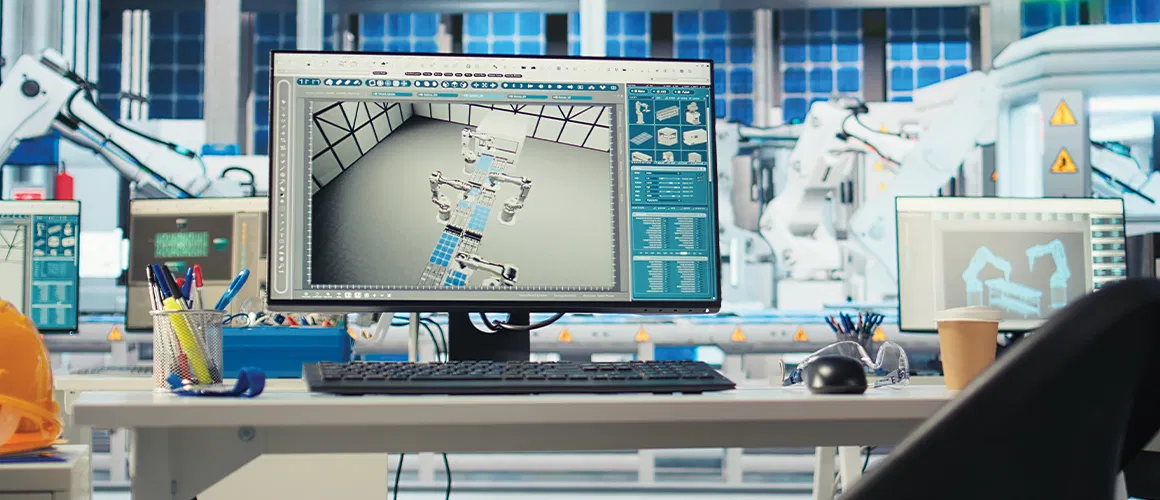
The modern industrial landscape is in constant pursuit of enhanced efficiency, reduced downtime, and optimized resource utilization. As industries expand and proliferate across diverse geographical locations, the complexities of managing numerous factories independently become increasingly apparent. This challenge has fueled the adoption of innovative technologies, with the Internet of Things (IoT) emerging as a transformative force in streamlining operations, particularly through remote monitoring.
Revolutionizing Factory Operations with IoT
The traditional model of factory monitoring often involves manual inspections, sporadic data collection, and reactive maintenance. This approach is inherently inefficient, susceptible to human error, and leads to prolonged downtimes. IoT-based remote monitoring, however, ushers in a new era of proactive management and real-time visibility. By deploying a network of interconnected sensors, devices, and gateways across machinery, production lines, and environmental parameters, factories can collect a wealth of data continuously. This data, transmitted wirelessly and analyzed through sophisticated platforms, offers unprecedented insights into the operational health and performance of industrial assets.
Real-time Data Acquisition and Analysis
At the core of IoT’s transformative power lies its ability to acquire data in real-time. Sensors can monitor everything from machine vibrations and temperature fluctuations to energy consumption and output rates. This continuous stream of information provides an up-to-the-minute status of every critical component within the factory. Advanced analytics engines then process this raw data, identifying patterns, anomalies, and potential issues before they escalate into significant problems. This proactive approach drastically reduces the likelihood of unexpected equipment failures, a common cause of costly production halts.
Predictive Maintenance Capabilities
Beyond simply identifying current issues, IoT enables sophisticated predictive maintenance strategies. By analyzing historical data trends and applying machine learning algorithms, the system can forecast when a particular machine component is likely to fail. This allows maintenance teams to schedule interventions precisely when needed, minimizing disruption to production schedules and extending the lifespan of critical assets. Instead of adhering to rigid, calendar-based maintenance schedules, which can be either too late or unnecessarily early, factories can implement a condition-based approach, optimizing both resources and operational continuity.
Streamlining Operations Across Multiple Factories
The true power of IoT based remote monitoring becomes even more evident when applied across a network of factories. Managing disparate facilities, each with its unique operational nuances and challenges, has historically been a logistical nightmare. IoT bridging these gaps, creating a unified and transparent view of all industrial processes.
Centralized Monitoring Platforms
A central monitoring platform acts as the nerve center for all connected factories. This dashboard provides a comprehensive overview of key performance indicators (KPIs) from each location, allowing management to track production output, energy consumption, equipment health, and environmental conditions at a glance. Such a consolidated view eliminates the need for site visits for routine checks and facilitates rapid decision-making from a single, accessible interface. This centralization significantly reduces administrative overhead and enhances strategic oversight.
Standardizing Best Practices and Performance Benchmarking
With real-time data streaming in from multiple locations, companies can effectively standardize best practices across their entire operational footprint. High-performing factories can serve as benchmarks, and their operational parameters can be analyzed to identify transferable strategies that can be implemented in other facilities. Conversely, underperforming areas can be quickly identified, and the root causes of their inefficiencies can be investigated with the support of detailed data. This promotes a culture of continuous improvement and fosters a collective drive towards operational excellence.
Remote Diagnostics and Troubleshooting
When an issue arises in a factory located thousands of miles away, dispatching a team of experts can be a time-consuming and expensive endeavor. IoT-based remote monitoring empowers engineers and technicians to diagnose problems remotely. By accessing real-time sensor data, reviewing machine logs, and even remotely operating certain components, a significant portion of troubleshooting can be performed without physical presence. This capability drastically reduces resolution times, minimizes travel costs, and ensures that expert knowledge can be leveraged across all facilities efficiently.
Enhancing Industrial Efficiency Through Remote Monitoring
The overarching goal of implementing IoT in industrial settings is to drive efficiency. Remote monitoring directly contributes to this by optimizing various aspects of factory operations, leading to tangible benefits.
Optimized Energy Management
Energy consumption is a major cost factor for industrial operations. IoT sensors can monitor energy usage at the machine, production line, and facility level. By collecting this granular data, factories can identify energy waste, optimize machinery scheduling, and even implement demand-side management strategies to reduce peak load consumption. The insights gained from remote energy monitoring can lead to substantial cost savings and a reduced environmental footprint.
Improved Inventory Management and Supply Chain Visibility
IoT contributes to smarter inventory management by tracking raw material levels, work-in-progress, and finished goods in real-time. Sensors can monitor storage conditions for sensitive materials, ensuring product quality and compliance. Furthermore, integrating IoT with supply chain management systems provides end-to-end visibility, allowing factories to anticipate bottlenecks, optimize logistics, and reduce stockouts or overstock situations. This increased visibility helps in maintaining optimal production flows and meeting customer demands consistently.
Enhanced Worker Safety and Environmental Compliance
Remote monitoring extends beyond just machine health to encompass worker safety and environmental parameters. Sensors can detect hazardous gas leaks, monitor air quality, and track worker locations in dangerous zones, triggering alerts in case of emergencies. Environmental sensors can monitor emissions, wastewater discharge, and noise levels, ensuring compliance with regulatory standards and promoting a safer, more sustainable working environment. The ability to monitor these parameters remotely allows for immediate intervention and minimizes risks to personnel and the environment.
Leveraging IoT for Remote Monitoring: Implementation Strategies
|
Implementation Strategies |
Metrics |
|
Real-time Monitoring |
Percentage of time-sensitive data collected |
|
Data Security |
Number of security breaches or incidents |
|
Cost Efficiency |
Percentage of cost reduction compared to traditional monitoring methods |
|
Scalability |
Number of devices or sensors integrated into the system |
|
Reliability |
Downtime or system failure occurrences |
Successful implementation of IoT for remote monitoring across multiple factories requires a strategic approach that addresses technological, operational, and organizational considerations.
Phased Rollout and Scalability
Instead of attempting a massive, simultaneous deployment across all factories, a phased rollout strategy is often more effective. Begin with a pilot project in one or two factories, focusing on critical assets or high-impact areas. This allows for testing the technology, refining processes, and gathering valuable insights before scaling up. The chosen IoT platform and infrastructure should be inherently scalable to accommodate future expansion and the integration of more devices and data streams.
Robust Data Security Measures
The vast amount of data collected by IoT systems, much of its sensitive operational information, necessitates robust cybersecurity measures. Factories must implement end-to-end encryption, secure network protocols, and strong authentication mechanisms to protect against cyber threats. Regular security audits and employee training on data privacy are crucial to maintaining the integrity and confidentiality of operational data. A single data breach can have severe consequences, compromising production, intellectual property, and competitive advantage.
Integration with Existing Systems
For IoT to deliver its full potential, it must seamlessly integrate with existing enterprise resource planning (ERP), manufacturing execution systems (MES), and other operational software. This integration ensures a unified data ecosystem, eliminating data silos and providing a holistic view of operations. APIs and standard communication protocols are essential for facilitating this interoperability, allowing data to flow freely between systems and enabling automated workflows.
Overcoming Challenges in Implementing IoT for Industrial Remote Monitoring
While the benefits of IoT are undeniable, implementing these solutions across multiple factories presents a unique set of challenges that need careful consideration and strategic planning.
Interoperability and Standardisation Issues
One of the significant hurdles is the lack of universal standards for IoT devices and communication protocols. Different manufacturers may use proprietary technologies, making it challenging to integrate diverse equipment from various vendors into a unified monitoring system. Addressing this requires careful selection of vendor-agnostic platforms and a focus on open standards whenever possible, or the development of custom integration layers.
Data Overload and Actionable Insights
The sheer volume of data generated by IoT sensors can be overwhelming. Without proper aggregation, filtering, and analytical tools, this data can become noise rather than valuable insight. The challenge lies in converting raw data into actionable intelligence that empowers decision-makers. This requires sophisticated analytics platforms, machine learning algorithms, and skilled data scientists who can interpret the data and identify meaningful patterns.
Connectivity and Infrastructure in Remote Locations
Many factories, especially those in traditional industrial sectors, might be located in remote areas with unreliable internet connectivity or outdated IT infrastructure. Ensuring consistent and high-bandwidth network access for IoT devices can be a significant challenge. This may necessitate investments in satellite internet, private cellular networks (like 5G), or edge computing solutions to process data locally before sending it to the cloud, reducing reliance on constant high-bandwidth connections.
Skilled Workforce and Change Management
Implementing IoT requires a workforce with new skills in data analytics, network management, and cybersecurity. There is often a significant skills gap between the existing operational teams and the demands of an IoT-enabled environment. Investing in training and upskilling programs for employees is crucial. Furthermore, navigating organizational change and securing buy-in from all stakeholders, including management and shop floor personnel, is essential for successful adoption and long-term sustainability of IoT initiatives. Resistance to new technologies can hinder even the most well-planned implementations.
In conclusion, IoT based remote monitoring is not merely a technological upgrade but a fundamental shift in how industries operate and manage their distributed assets. By providing real-time visibility, enabling predictive maintenance, and fostering data-driven decision-making, IoT empowers factories to achieve unprecedented levels of efficiency, productivity, and resilience, ultimately securing a competitive edge in an increasingly complex global marketplace. The journey requires careful planning, robust infrastructure, and a commitment to continuous innovation, but the rewards are profound.
FAQs
What is IoT-based remote monitoring in the context of industrial operations?
IoT-based remote monitoring involves the use of interconnected devices and sensors to collect and transmit data from industrial equipment and processes to a centralized system. This allows for real-time monitoring and analysis of operations across multiple factories.
What are the benefits of implementing IoT-based remote monitoring in industrial settings?
Implementing IoT-based remote monitoring in industrial settings can lead to improved operational efficiency, predictive maintenance, reduced downtime, enhanced safety, and better decision-making through data-driven insights.
How does IoT-based remote monitoring streamline operations across multiple factories?
IoT-based remote monitoring streamlines operations across multiple factories by providing a unified platform for monitoring and managing equipment, processes, and performance metrics. This enables centralized control and visibility, leading to better coordination and optimization of resources.
What are the challenges in implementing IoT for industrial remote monitoring?
Challenges in implementing IoT for industrial remote monitoring include data security and privacy concerns, interoperability of different devices and systems, scalability of the IoT infrastructure, and the need for skilled personnel to manage and interpret the data.
How can IoT-based remote monitoring optimize industrial processes?
IoT-based remote monitoring can optimize industrial processes by enabling real-time monitoring and analysis of key performance indicators, identifying inefficiencies, predicting maintenance needs, and facilitating proactive decision-making to improve overall operational efficiency.

Comparing piston vs. gravity filling machines: Which one suits your product best?
Filling machines are a core part of any liquid packaging…..

Maintenance tips and best practices to extend the life of your filling & capping line
A filling and capping line operate at the heart of production…..
How Automation and Digital Controls Are Powering the Next Generation of Packaging Machinery
Packaging machinery has moved far…