Material Compatibility: Managing Corrosive or Volatile Liquids Safely
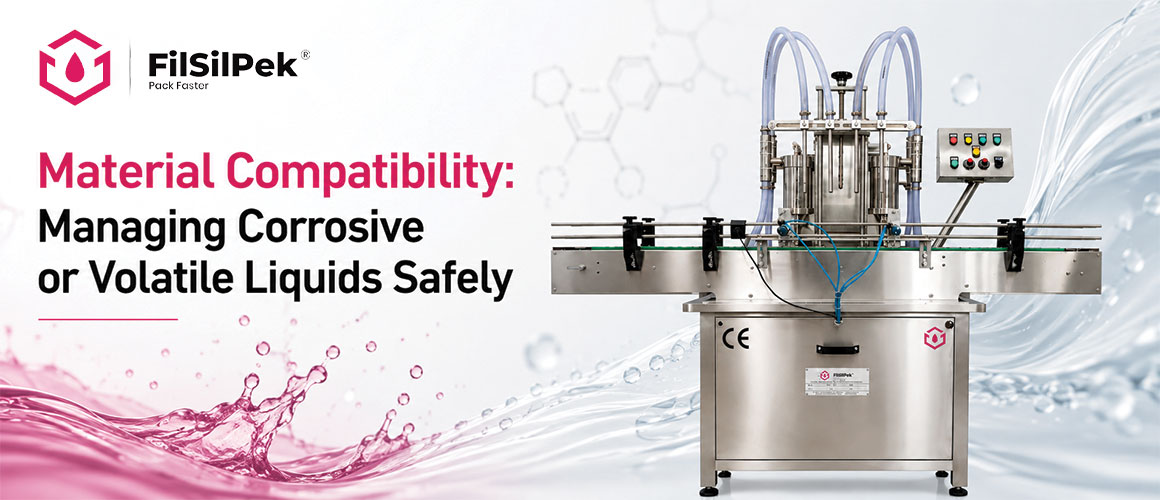
Material compatibility stands as a cornerstone of safety and efficiency within the chemical processing industry, particularly when handling corrosive or volatile liquids. The inherent dangers associated with these substances necessitate a meticulous approach to every aspect of their management, from initial storage to final filling. Failure to adequately consider the interaction between these aggressive chemicals and the materials they encounter can lead to catastrophic failures, environmental contamination, and severe harm to personnel. Therefore, a comprehensive understanding and rigorous implementation of best practices are paramount.
Challenges of Filling Corrosive and Volatile Liquids
The filling of corrosive and volatile liquids presents a unique set of engineering and operational challenges that demand careful consideration and robust solutions. Unlike benign fluids, these substances can degrade conventional materials, pose explosion risks, and create hazardous environments for workers.
Material Degradation and Corrosion
Corrosive liquids, by their very nature, attack and degrade many common industrial materials. This degradation can manifest in various forms, including general corrosion, pitting, crevice corrosion, stress corrosion cracking, and intergranular attack. Each of these mechanisms can compromise the structural integrity of tanks, pipes, pumps, and filling equipment, leading to leaks, spills, and potential equipment failure. The rate and type of corrosion are influenced by numerous factors, including the specific chemical composition of the liquid, its concentration, temperature, pressure, and the presence of impurities. For instance, strong acids like sulfuric or hydrochloric acid will react differently with a given metal than strong bases such as sodium hydroxide. Elevated temperatures generally accelerate corrosion rates, making temperature control a critical factor in system design.
Volatility and Explosion Risks
Volatile liquids, characterized by a low boiling point and high vapor pressure, pose significant explosion and fire hazards. Their tendency to readily evaporate releases flammable or toxic vapors into the atmosphere, creating potentially explosive mixtures when combined with air. Ignition sources, which can be as subtle as static electricity discharge, a hot surface, or even a spark from mechanical friction, can trigger devastating explosions. The lower and upper explosive limits (LEL and UEL) of these vapors are critical parameters that dictate safe operating conditions and the necessary ventilation and inerting strategies. Managing these risks requires meticulous control of the atmosphere, elimination of ignition sources, and the implementation of robust safety protocols.
Health and Environmental Hazards
Beyond the immediate risks of fire and explosion, both corrosive and volatile liquids often present significant health and environmental hazards. Many corrosive substances are irritants or strong sensitizers, causing severe burns upon contact with skin or eyes, and respiratory damage if inhaled. Volatile liquids, even those not inherently corrosive, can be toxic, narcotic, or carcinogenic upon inhalation or skin absorption. Accidental releases can contaminate soil and water sources, leading to long-term environmental damage and necessitating costly remediation efforts. Therefore, containment, ventilation, and personal protective equipment are not merely regulatory requirements but essential safeguards for personnel and the planet.
Choosing the Right Construction Materials
The selection of appropriate construction materials is the single most critical decision in designing and operating systems for handling corrosive and volatile liquids. This choice directly impacts the longevity of equipment, the safety of operations, and the purity of the product.
Metallic Alloys
For many corrosive applications, metallic alloys offer a balance of strength, corrosion resistance, and thermal conductivity. Stainless steels, particularly austenitic grades like 304 and 316L, are widely used due to their excellent resistance to a broad range of chemicals. However, even these alloys have limitations; they can be susceptible to pitting corrosion in chloride-rich environments or stress corrosion cracking in specific acidic conditions. More specialized alloys, such as Hastelloy, Inconel, and Monel, offer superior resistance to highly aggressive acids, strong oxidizers, and elevated temperatures. Each alloy has its specific chemical compatibility profile, and careful research and testing are necessary to ensure suitability for a given application. The cost of these high-performance alloys is often justified by the extended service life and enhanced safety they provide.
Polymer and Elastomer Considerations
Polymers and elastomers play a vital role in chemical handling, particularly for sealing, lining, and non-structural components. Materials like PTFE (Teflon), PVDF, PEEK, and HDPE offer excellent chemical resistance to a wide array of corrosives, often surpassing that of many metals. PTFE, in particular, is renowned for its near-universal chemical inertness and high-temperature capability, making it ideal for gaskets, seals, and inner linings of pipes and vessels. Elastomers such as Viton, Kalrez, and EPDM are crucial for O-rings, diaphragms, and flexible connections, providing sealing capabilities while resisting chemical attack. The selection of polymers and elastomers must consider not only chemical compatibility but also temperature limitations, mechanical strength, and permeability, especially for volatile substances where permeation can lead to material degradation or atmospheric release.
Ceramic and Glass-Lined Materials
For exceptionally aggressive or abrasive corrosive environments, ceramic and glass-lined materials provide superior resistance. Glass-lined steel reactors, for instance, offer the chemical inertness of glass combined with the structural strength of steel, making them indispensable for handling strong acids, bases, and reactive chemicals where metallic contamination is unacceptable. Ceramics, such as alumina, silicon carbide, and zirconia, exhibit outstanding hardness, abrasion resistance, and chemical inertness, finding applications in pump components, valves, and specialized heat exchangers. While these materials offer exceptional performance, they are typically more brittle and require careful handling and design to mitigate thermal shock and mechanical impact.
Safe Filling Technologies for Hazardous Products
The filling process itself is a critical juncture where the risks associated with hazardous liquids are concentrated. Implementing advanced and reliable filling technologies is essential to minimize exposure, prevent spills, and ensure product integrity.
Explosion-Proof Filling Equipment
For volatile and flammable liquids, explosion-proof filling equipment is not merely an option but a mandatory requirement.
This includes motors, sensors, control panels, and other electrical components designed to prevent the ignition of flammable atmospheres. These components are typically rated for specific hazardous area classifications (e.g., ATEX or NEC classifications) based on the likelihood and duration of flammable gas or vapor presence. Intrinsically safe circuits, purged enclosures, and explosion-proof housings are common strategies employed to achieve safety in these environments.
The entire filling line, including conveyors, capping machines, and labeling equipment, must be considered within the scope of hazardous area classification and corresponding explosion protection measures.
Inert Gas Blanketing and Vapor Recovery
To mitigate the risks associated with volatile liquids, inert gas blanketing and vapor recovery systems are widely employed. Inert gas blanketing involves introducing an inert gas, typically nitrogen, into the headspace of storage tanks and filling machines. This displaces oxygen, reducing the concentration of flammable vapors below their LEL and effectively preventing combustion.
Vapor recovery systems capture the vapors displaced during filling operations, condensing them back into liquid or incinerating them, thereby preventing their release into the atmosphere. These systems not only enhance safety by reducing explosion risks but also contribute to environmental compliance and can recover valuable product that would otherwise be lost.
Automated and Containment Filling Systems
Automated filling systems minimize direct human interaction with hazardous liquids, significantly reducing the risk of exposure. Robotic systems can precisely position containers, fill them, and cap them without human intervention in the immediate vicinity of the hazardous substance.
Furthermore, containment filling systems, such as glove boxes or isolators, provide a physical barrier between the operator and the product. These systems maintain a controlled atmosphere within the containment zone, often under negative pressure with filtered exhaust, to prevent the escape of hazardous vapors or particles. This approach is particularly valuable for highly toxic or extremely volatile substances where even minimal exposure is unacceptable.
Explosion Protection and Safety Standards
|
Explosion Protection and Safety Standards |
Metrics |
|
Number of reported explosions |
100 |
|
Compliance rate with safety standards |
90% |
|
Number of safety inspections conducted |
500 |
|
Number of safety violations found |
20 |
Adherence to stringent explosion protection guidelines and safety standards is non-negotiable when dealing with flammable or explosive liquids. These standards provide a framework for identifying hazards, assessing risks, and implementing appropriate protective measures.
Hazardous Area Classification
A fundamental step in explosion protection is hazardous area classification. This process, governed by standards like ATEX (Europe) or NEC (North America), defines zones based on the frequency and duration of the presence of flammable gases, vapors, or dusts. Each zone (e.g., Zone 0, Zone 1, Zone 2 for gases/vapors) dictates the type of electrical equipment and protection methods that can be safely used within that area. A thorough hazardous area classification ensures that all equipment, including electrical motors, lighting, sensors, and control devices, is suitably certified and installed to prevent ignition. This classification must be regularly reviewed and updated as processes or chemicals change.
Regulatory Compliance and Certification
Compliance with national and international safety regulations and standards is critical. Beyond hazardous area classification, regulations often mandate specific design features for storage tanks, piping, ventilation systems, and emergency shutdown procedures. Certification bodies verify that equipment and systems meet these stringent requirements. For example, pressure vessels must comply with ASME codes, and safety instrumented systems (SIS) often require certification to IEC 61508/61511. Failure to comply can result in severe penalties, operational shutdowns, and, most importantly, compromise the safety of personnel and the environment. Keeping abreast of evolving regulations and ensuring all equipment holds valid certifications is an ongoing responsibility.
Emergency Shutdown Systems and Interlocks
Robust emergency shutdown (ESD) systems and interlocks are crucial for preventing accidents and mitigating their severity. ESD systems are designed to bring a process to a safe state rapidly in the event of an abnormal condition, such as an overpressure, leak, or fire. This typically involves automatically closing valves, shutting down pumps, and activating fire suppression systems. Interlocks are safety devices that prevent a process from operating unless certain conditions are met (e.g., a tank lid must be closed before filling can begin). These systems must be independent, fail-safe, and regularly tested to ensure their reliability. A well-designed ESD system can prevent minor incidents from escalating into major disasters.
Preventive Maintenance for Chemical Filling Systems
Even with the most meticulously chosen materials and advanced technologies, a robust preventive maintenance program is indispensable for ensuring the long-term safety and reliability of chemical filling systems. Ignoring maintenance can lead to unexpected failures with severe consequences.
Regular Inspections and Leak Detection
Scheduled, systematic inspections are vital for identifying potential issues before they escalate. This includes visual inspections of all components for signs of corrosion, wear, cracking, or material degradation. Particular attention should be paid to welds, flanges, gaskets, and seals, which are common points of failure. Advanced leak detection technologies, such as ultrasonic detectors for gas leaks or infrared cameras for liquid leaks, can identify minute releases that might not be visible to the naked eye. Early detection of leaks allows for timely intervention, preventing larger spills, environmental contamination, and potential safety hazards.
Calibration and Performance Checks
The accuracy of instrumentation is paramount in chemical filling systems, especially for volatile or toxic liquids where precise measurement of volume, pressure, and temperature is critical for safety and product quality. Regular calibration of flow meters, pressure gauges, temperature sensors, and level indicators ensures they provide accurate readings. Performance checks of pumps, valves, and safety interlocks are equally important to confirm they operate within specified parameters. Any deviation can indicate wear, blockages, or control issues that could compromise the system’s integrity or lead to unsafe operating conditions.
Replacement Schedules for Wear Parts
Components such as gaskets, seals, O-rings, valve diaphragms, and pump impellers are subject to wear and chemical attack over time. Establishing clear replacement schedules for these “wear parts” based on manufacturer recommendations, operating conditions, and historical data is essential. Proactive replacement, even if the component appears functional, prevents catastrophic failure in service. For corrosive applications, the service life of these components can be significantly shorter, necessitating more frequent replacement. Maintaining an adequate inventory of spare parts is also crucial to minimize downtime during scheduled or unscheduled maintenance.
Best Practices for Material Compatibility
Effective material compatibility management extends beyond initial material selection; it encompasses a continuous cycle of assessment, monitoring, and adaptation.
Comprehensive Chemical Compatibility Charts
Developing and maintaining comprehensive chemical compatibility charts for all substances handled in the facility is a fundamental best practice. These charts should detail the resistance of various materials to each chemical at different concentrations and temperatures. This information serves as a primary reference for engineers, maintenance personnel, and operators. It is crucial to remember that compatibility can be complex; a material compatible with a dilute solution might fail in a concentrated one, or at an elevated temperature. These charts should be regularly reviewed and updated to reflect new data or changes in chemical formulations.
Supplier Consultation and Material Testing
Engaging closely with material suppliers and equipment manufacturers is invaluable. They often possess extensive knowledge regarding the performance of their products with specific chemicals and can provide valuable guidance on material selection and limitations. Furthermore, conducting in-house or third-party material testing is often warranted, especially for novel chemicals or highly aggressive applications. Testing can involve immersion tests, stress corrosion cracking tests, or long-term performance evaluations under simulated operating conditions. This proactive testing can validate material choices and prevent costly failures down the line.
Regular Review and Adaptation
Material compatibility is not a static state but a dynamic one. The performance of materials can degrade over time due to continuous exposure, unforeseen impurities, or changes in process parameters. Therefore, a program of regular review and adaptation is essential. This includes periodically re-evaluating material selections, especially after any incident, process modification, or introduction of new chemicals. Feedback from maintenance personnel and operators regarding observed material degradation is invaluable. This continuous improvement approach ensures that material compatibility remains optimized for the prevailing operating conditions, safeguarding both personnel and operational integrity.
FAQs
What are some challenges of filling corrosive and volatile liquids?
Some challenges of filling corrosive and volatile liquids include the potential for material compatibility issues, the risk of corrosion to equipment, and the need for explosion protection and safety standards.
How can the right construction materials be chosen for managing corrosive or volatile liquids?
The right construction materials for managing corrosive or volatile liquids can be chosen by considering factors such as the chemical properties of the liquids, the temperature and pressure conditions, and the compatibility of the materials with the liquids.
What are some safe filling technologies for hazardous products?
Safe filling technologies for hazardous products include closed-loop filling systems, inert gas purging, and automated filling processes that minimize human exposure to the liquids.
What are some preventive maintenance measures for chemical filling systems?
Some preventive maintenance measures for chemical filling systems include regular equipment inspections, cleaning and flushing of the systems, monitoring of corrosion and wear, and timely replacement of worn-out parts.
What are some best practices for ensuring material compatibility when handling corrosive or volatile liquids?
Some best practices for ensuring material compatibility when handling corrosive or volatile liquids include conducting thorough compatibility testing, using appropriate containment and ventilation systems, and providing training for personnel on safe handling procedures.
Energy Recovery and Heat Exchange Technologies in Filling Machines
Energy recovery and heat exchange technologies in filling machines….
Case study: filling machines supporting D2C nutraceutical brands
At Filsilpek Solutions, automated….
Smart labelling: QR codes, NFC and customer engagement
Smart labeling technology overview and….
Contact Us
Address
B-603, SHALIN SQUARE HATHIJAN CIRCLE VATVA G.I.D.C ROAD, VINZOL,AHMEDABAD-382445 GUJARAT
Contact
+91 90542 94961
Inquiry Form
Contact Us
Address
B-603, SHALIN SQUARE HATHIJAN CIRCLE VATVA G.I.D.C ROAD, VINZOL,AHMEDABAD-382445 GUJARAT
Contact
+91 90542 94961
Inquiry Form
Contact Us
Address
B-603, SHALIN SQUARE HATHIJAN CIRCLE VATVA G.I.D.C ROAD, VINZOL,AHMEDABAD-382445 GUJARAT
Contact
+91 90542 94961
Inquiry Form
Contact Us
Address
B-603, SHALIN SQUARE HATHIJAN CIRCLE VATVA G.I.D.C ROAD, VINZOL,AHMEDABAD-382445 GUJARAT
Contact
+91 90542 94961
Inquiry Form