
How predictive analytics improves inventory management of packaging materials
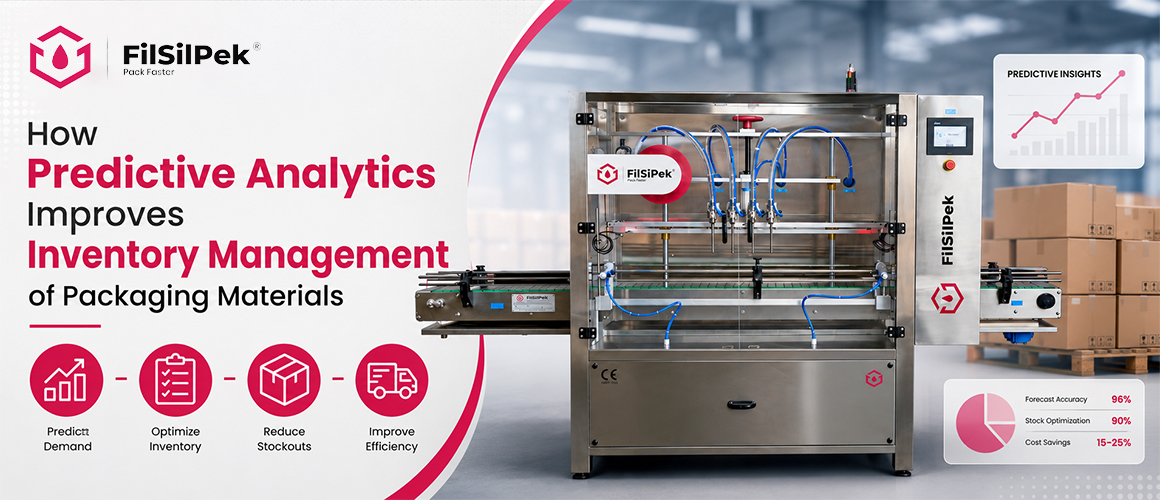
So, you’re wondering how predictive analytics can actually help your packaging material inventory? In a nutshell, it’s about using data to anticipate what you’ll need, when you’ll need it, and how much you’ll need, all before it becomes a problem. Instead of reacting to stockouts or overstocking, you get to be proactive, saving time, money, and a whole lot of headaches. This isn’t some futuristic fantasy; it’s a practical application of data that can seriously streamline your operations.
Predicting Demand: The Cornerstone of Smart Inventory
The biggest challenge in managing packaging materials has always been figuring out future demand. Will your biggest client suddenly double their order? Will a new marketing campaign cause a surge in demand for specific product types? Without a solid understanding of these fluctuations, you’re essentially flying blind. This is where predictive analytics truly shines. It moves us beyond simple historical averages and into a more nuanced forecasting approach.
Understanding Historical Trends with a Deeper Lens
Traditional inventory management often relies on looking at what you used last month or last year. While that’s a starting point, it doesn’t account for seasonality, market shifts, or even unexpected events. Predictive analytics digs deeper. It identifies patterns in your sales data, production schedules, and even external factors like economic indicators or competitor activity. This allows for much more accurate forecasting than simple bar charts of past usage. You’re not just looking at “what happened,” but “why it happened” and “what’s likely to happen next.” We’re talking about identifying trends you might not even be aware of, trends that the naked eye would miss.
Incorporating External Influencers
The world doesn’t operate in a vacuum, and neither should your inventory forecasts. Predictive models can ingest data from a wide range of external sources. Think about how a heatwave might boost demand for bottled beverages, or how Black Friday sales can dramatically impact how much packaging you need for electronics. By factoring in these external influencers, predictive analytics can provide a far more robust and realistic picture of future demand. This is crucial for packaging materials, as their usage is directly tied to the products they protect and present.
Optimizing Order Quantities: Striking the Right Balance
Once you have a better handle on demand, the next logical step is figuring out how much to order. This is where the perennial problem of overstocking versus the dreaded stockout comes into play. Too much inventory ties up capital and risks obsolescence, while too little means production halts and customer disappointment. Predictive analytics provides the data-driven insights to find that sweet spot.
The Cost of Holding Too Much
Carrying excess inventory is a silent killer of profit margins. Those pallets of boxes or rolls of film aren’t just taking up space; they represent money that could be invested elsewhere. There are warehousing costs, insurance, the risk of damage or spoilage, and the potential for the material to become outdated if packaging designs change. Predictive analytics helps you minimize these carrying costs by ensuring you only order what you’re likely to need, thereby freeing up valuable capital.
Avoiding the Pitfalls of Stockouts
Conversely, running out of a critical packaging component can grind production to a halt. This leads to missed deadlines, unhappy customers, and potential loss of future business. Predictive models, by forecasting demand more accurately, significantly reduce the probability of stockouts. They can flag when a surge in demand is approaching, giving you ample time to adjust your orders and ensure uninterrupted supply. This proactive approach shifts you from damage control to smooth sailing.
Proactive Replenishment: Never Get Caught Off Guard
Traditional inventory management often operates on a reorder point system. When stock hits a certain level, you place an order. This is a reactive approach. Predictive analytics allows for proactive replenishment, where orders are placed based on anticipated future needs, not just current low stock.
Triggering Orders Based on Future Projections
Instead of waiting for inventory to hit a predefined minimum, predictive systems can trigger replenishment orders based on forecasted demand over a specific lead time. For instance, if a model predicts a significant uptake in a particular product line three weeks from now, the system can initiate an order for the necessary packaging materials well in advance, factoring in supplier lead times. This ensures that by the time demand actually increases, the packaging is already on its way or in stock.
Just-in-Time with a Safety Net
The concept of Just-in-Time (JIT) inventory is appealing, but often difficult to achieve with packaging materials due to supplier reliability and transportation uncertainties. Predictive analytics allows for a more intelligent approach to JIT. By accurately forecasting demand and understanding lead times, you can aim for an optimal delivery window, minimizing holding costs while still having assurance of supply. It’s not simply ordering as late as possible; it’s ordering intelligently based on data.
Enhancing Supplier Relationships: A Data-Driven Partnership
|
Metrics |
2019 |
2020 |
2021 |
|
On-time delivery (%) |
92 |
94 |
96 |
|
Quality rating (out of 10) |
8.5 |
8.7 |
9.0 |
|
Cost savings (%) |
5 |
7 |
10 |
The effectiveness of your packaging material inventory management isn’t solely dependent on your internal processes; it’s also heavily influenced by your suppliers. Predictive analytics can foster stronger, more collaborative relationships with them.
Sharing Forecasts for Mutual Benefit
When you can provide your packaging suppliers with more accurate and longer-term demand forecasts generated by predictive analytics, it allows them to better plan their own production and resource allocation. This can lead to improved reliability, potential for better pricing due to their own optimized operations, and a more robust supply chain for everyone involved. It transforms the supplier relationship from a simple transactional one to a strategic partnership.
Identifying Potential Supply Chain Disruptions
Predictive models can also be trained to identify potential disruptions in the supply chain. This could involve analyzing historical supplier performance, geopolitical events that might affect raw material availability, or even weather patterns that could impact transportation. By flagging these risks early, you can have contingency plans in place, such as identifying alternative suppliers or adjusting your inventory levels accordingly, before a disruption actually occurs.
Continuous Improvement: The Power of Iterative Learning
The beauty of predictive analytics is that it’s not a set-it-and-forget-it solution. These models are dynamic and learn over time, leading to continuous improvement in your inventory management.
Refining Models with New Data
As new sales data, production runs, and market trends emerge, the predictive models can be retrained and refined. This iterative process ensures that your forecasts become progressively more accurate. The system learns from its past predictions, identifying where it might have overestimated or underestimated, and adjusts its algorithms accordingly. This constant feedback loop is where the real power of long-term optimization lies.
Spotting Emerging Trends and Anomalies
Beyond just forecasting demand, predictive analytics can also be used to spot anomalies or emerging trends that might not be immediately apparent. For example, a subtle shift in the types of packaging materials being requested could indicate a change in consumer preferences or a new product launch by a competitor. Early detection of such trends can allow you to adapt your inventory strategy proactively, rather than reactively playing catch-up. This proactive stance is key to staying ahead in a competitive market.
FAQs
- What are predictive analytics in the context of inventory management of packaging materials?
Predictive analytics involves using historical data, statistical algorithms, and machine learning techniques to identify patterns and predict future inventory needs for packaging materials. It helps in optimizing inventory levels, reducing stockouts, and minimizing excess inventory.
- How does predictive analytics improve inventory management of packaging materials?
Predictive analytics improves inventory management by providing accurate demand forecasts, identifying potential stockouts or overstock situations, optimizing reorder points, and enhancing supply chain efficiency. It helps in making informed decisions to ensure the right amount of packaging materials are available at the right time.
- What role do predictive models play in efficient inventory management of packaging materials?
Predictive models use historical data and various variables such as sales trends, seasonality, and lead times to forecast future demand for packaging materials. These models help in setting appropriate inventory levels, determining reorder points, and improving overall inventory control.
- How does predictive analytics impact inventory control of packaging materials?
Predictive analytics impacts inventory control by providing insights into demand patterns, identifying potential risks, and enabling proactive inventory management. It helps in reducing carrying costs, minimizing stockouts, and optimizing inventory turnover for packaging materials.
- How can businesses leverage predictive modelling for enhanced inventory management of packaging materials?
Businesses can leverage predictive modelling by implementing advanced analytics tools, integrating data from various sources, and using predictive algorithms to forecast demand, optimize inventory levels, and improve overall inventory management of packaging materials. This enables them to make data-driven decisions and stay ahead of inventory challenges.
Smart labelling: QR codes, NFC and customer engagement
Smart labeling technology overview and….
Human-Robot Collaboration: How Cobots Are Transforming Material Handling & Palletizing
A practical guide to deploying collaborative robots for loading….
Regulatory compliance and validation for pharmaceutical filling lines
You operate in a highly regulated environment where….
Contact Us
Address
B-603, SHALIN SQUARE HATHIJAN CIRCLE VATVA G.I.D.C ROAD, VINZOL,AHMEDABAD-382445 GUJARAT
Contact
+91 90542 94961
Inquiry Form
Contact Us
Address
B-603, SHALIN SQUARE HATHIJAN CIRCLE VATVA G.I.D.C ROAD, VINZOL,AHMEDABAD-382445 GUJARAT
Contact
+91 90542 94961
Inquiry Form
Contact Us
Address
B-603, SHALIN SQUARE HATHIJAN CIRCLE VATVA G.I.D.C ROAD, VINZOL,AHMEDABAD-382445 GUJARAT
Contact
+91 90542 94961
Inquiry Form