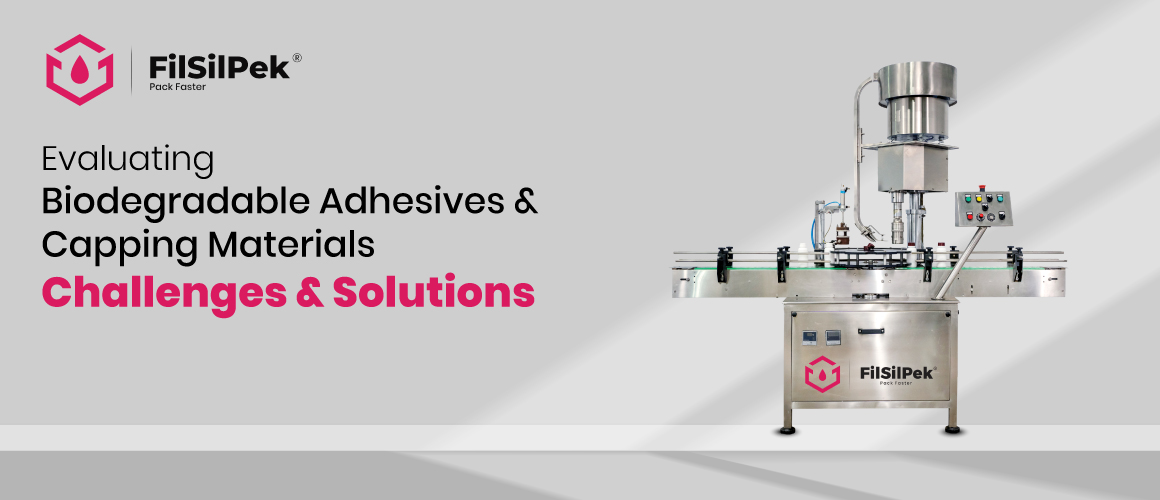
Evaluating biodegradable adhesives & capping materials challenges & solutions
The growing imperative for environmental stewardship within the packaging industry has propelled a significant shift towards sustainable materials. At the forefront of this movement are biodegradable adhesives and capping materials, offering promising alternatives to traditional, petrochemically derived options. However, their widespread adoption is not without its complexities. A thorough evaluation of these materials is crucial to ensure they deliver on their environmental promises without compromising performance and functionality. This comprehensive exploration delves into the importance of such evaluations, outlines the inherent challenges, presents innovative solutions, and examines the multifaceted aspects of utilizing biodegradable components in packaging.
The Critical Need for Evaluating Biodegradable Adhesives and Capping Materials
The phrase “biodegradable” often conjures images of materials returning harmlessly to the earth. Yet, the reality is far more nuanced. The environmental benefit of a “biodegradable” material is heavily dependent on its specific composition, the conditions under which it degrades, and the end-of-life infrastructure available. Without rigorous evaluation, claims of biodegradability can be misleading, potentially leading to unintended environmental consequences such as the accumulation of microplastics in landfills or oceans, or the release of harmful substances during decomposition.
Ensuring Actual Degradation Pathways and Environmental Safety
The fundamental purpose of utilizing biodegradable materials is to facilitate their breakdown into natural components, thereby reducing persistent waste. A critical aspect of evaluation, therefore, centers on understanding the precise degradation pathways. This involves identifying the ultimate byproducts – ideally carbon dioxide, water, and biomass – and assessing the potential for forming persistent or harmful intermediates. For adhesives, this might mean examining their bond strength degradation over time and the nature of any residual material after delamination. For capping materials, it involves verifying their ability to break down completely within designated composting or anaerobic digestion facilities, without leaving behind any insoluble or toxic residues. This level of scrutiny is vital to avoid “greenwashing” and to build genuine consumer and industrial trust in sustainable packaging solutions.
Verifying Performance and Functionality in Diverse Applications
Beyond their environmental credentials, adhesives and capping materials must perform their intended functions reliably. Adhesives need to provide sufficient bond strength to secure packaging components, withstand various environmental stresses (temperature, humidity, mechanical forces), and maintain integrity throughout the product’s shelf life. Capping materials must offer effective sealing, protection from contamination, ease of opening for consumers, and compatibility with the packaged product. Evaluating biodegradability cannot come at the expense of essential performance. This necessitates testing under simulated real-world conditions, which can be a significant challenge given the variability in application requirements.
Aligning with End-of-Life Management Systems
The effectiveness of biodegradable materials is inextricably linked to the available end-of-life management systems. A material that is certified biodegradable in an industrial composting facility may not degrade effectively in a home compost bin or a landfill. Therefore, evaluating these materials must consider their behavior within the intended disposal streams. This involves understanding the certification standards relevant to specific geographical regions and end-of-life scenarios, such as those established by ASTM, EN, and ISO. Misalignment here can lead to biodegradable packaging ending up in waste streams where it fails to degrade, negating its intended environmental benefit.
Navigating the Challenges in Using Biodegradable Materials for Packaging Adhesives and Capping
The transition to biodegradable alternatives for packaging adhesives and capping materials presents a unique set of hurdles that require careful consideration and innovative problem-solving. These challenges stem from the inherent properties of the materials themselves, the complexities of manufacturing processes, and the external factors influencing their performance.
Material Properties and Performance Limitations
One of the primary challenges lies in matching the performance characteristics of conventional, often petroleum-based, adhesives and capping materials with their biodegradable counterparts. Traditional adhesives and capping materials have been refined over decades to offer exceptional strength, resilience, barrier properties, and heat resistance. Biodegradable polymers and their associated additives, derived from renewable resources, can sometimes exhibit limitations in these areas. For instance, certain biodegradable adhesives might have a shorter shelf life or reduced heat resistance compared to their synthetic predecessors. Similarly, biodegradable capping materials might struggle to provide the same level of gas barrier or moisture resistance, potentially impacting product perishability. Achieving a balance between biodegradability and the necessary functional performance is a continuous area of research and development.
Manufacturing and Processing Complexities
Integrating biodegradable materials into existing manufacturing lines can introduce significant complexities. Biodegradable polymers often have different processing temperatures, melt flow rates, and viscosities compared to conventional plastics. This can require adjustments to machinery, significant capital investment in new equipment, and specialized expertise to optimize production parameters. For adhesives, achieving consistent application and curing can be more delicate with biodegradable formulations. Capping material molding precision also needs careful attention. Furthermore, the sourcing and availability of consistent, high-quality raw materials for biodegradable adhesives and capping components can be a fluctuating factor, impacting scalability and cost-effectiveness.
Cost Competitiveness and Scalability
Biodegradable materials, especially in their current developmental stages, often come with a higher price tag than their conventional counterparts. This is due to factors like the cost of raw material sourcing, more complex processing requirements, and lower production volumes. For businesses, particularly those operating on tight margins, this cost premium can be a significant barrier to adoption. Achieving economies of scale through increased demand and further technological advancements is crucial to making biodegradable adhesives and capping materials more cost-competitive and thus more widely accessible, enabling their large-scale implementation across various packaging sectors.
Certification and Standardization Hurdles
The landscape of biodegradable material certification is still evolving, with various standards and claims existing globally. This can create confusion for manufacturers and consumers alike. Obtaining certifications for biodegradability, compostability, and eco-toxicity requires rigorous testing and can be a lengthy and expensive process. Furthermore, ensuring that these certifications are universally recognized and understood is an ongoing challenge. A lack of standardized testing protocols and a unified global framework can hinder international trade and create uncertainty for companies looking to develop and market truly sustainable packaging solutions.
Innovative Solutions for Overcoming Challenges in Biodegradable Packaging Materials
The obstacles presented by biodegradable adhesives and capping materials are driving innovation, leading to the development of novel solutions that are enhancing both their performance and their environmental credentials. These advancements are crucial for the widespread adoption of sustainable packaging.
Advanced Polymer Science and Formulation Development
One of the most impactful areas of innovation is in the field of advanced polymer science. Researchers are developing new biodegradable polymers with improved mechanical properties, enhanced barrier capabilities, and greater thermal stability. This includes exploring novel bio-based feedstocks and employing advanced polymerization techniques. For adhesives, formulators are creating multi-component systems that leverage the strengths of different biodegradable polymers or incorporate bio-based tackifiers and resins to achieve desired adhesion characteristics. This is also leading to the development of adhesives with controlled degradation rates, ensuring they remain functional for the required product shelf life before breaking down.
Integration of Functional Additives and Nanomaterials
Another key area of advancement involves the strategic use of functional additives and, in some cases, controlled nanomaterials. For capping materials, additives can be incorporated to improve UV resistance, enhance gas and moisture barrier properties, or even provide antimicrobial functionalities. Similarly, for adhesives, specific additives can be used to improve their flexibility, water resistance, or adhesion to challenging substrates. When used responsibly and in ways that do not hinder biodegradability, certain nanomaterials can offer significant performance enhancements, such as improved mechanical strength or as dispersants for fillers. The focus here is on bio-compatible and bio-degradable additives that contribute positively to the overall lifecycle of the packaging component.
Smart Manufacturing Techniques and Digitalization
The challenges in manufacturing and processing are being addressed through the adoption of smart manufacturing techniques and increased digitalization. This includes the implementation of real-time process monitoring and control systems that can automatically adjust parameters based on the specific properties of the biodegradable materials being used. Advanced simulation and modeling tools are also being employed to predict material behavior during processing and throughout the product’s lifecycle, minimizing trial-and-error and optimizing production efficiency. The integration of Industry 4.0 principles allows for greater flexibility and precision in manufacturing biodegradable packaging components, ensuring consistency and quality.
Collaborative Research and Cross-Industry Partnerships
Addressing the complexities of biodegradable materials necessitates a collaborative approach. Significant progress is being made through research partnerships between academic institutions, material science companies, packaging manufacturers, and end-users. These collaborations foster the sharing of knowledge, accelerate the development cycle, and ensure that innovations are aligned with market needs and regulatory requirements. Cross-industry partnerships also help to establish common standards and best practices, streamlining the certification process and building a more robust and cohesive industry for biodegradable packaging.
Evaluating the Environmental Impact of Biodegradable Packaging Materials
|
Metrics |
Data |
|
Carbon footprint |
0.5 kg CO2 per kg of material |
|
Biodegradation rate |
80% biodegraded within 180 days |
|
Renewable sourcing |
100% sourced from renewable materials |
|
Water usage |
50 liters per kg of material |
A truly sustainable packaging solution requires a holistic understanding of its environmental footprint from cradle to grave. For biodegradable adhesives and capping materials, this evaluation extends beyond simply verifying their ability to decompose. It involves a comprehensive lifecycle assessment to ensure that their production, use, and eventual degradation contribute positively to reducing the overall environmental burden.
Lifecycle Assessment (LCA) Methodologies
Lifecycle Assessment (LCA) is the cornerstone of evaluating the environmental impact of any material. For biodegradable packaging components, this involves a rigorous analysis of all environmental stages: raw material extraction, material processing, manufacturing of the adhesive or capping material, packaging production, transportation, product distribution, consumer use, and end-of-life management. LCA quantifies energy consumption, greenhouse gas emissions, water usage, waste generation, and potential impacts on land and ecosystems. When applied to biodegradable materials, LCA helps to identify particularly resource-intensive stages, compare different biodegradable formulations, and highlight trade-offs between various environmental indicators. This ensures that the chosen biodegradable option offers a genuine improvement over conventional alternatives.
End-of-Life Scenario Modeling and Impact Analysis
The environmental benefit of a biodegradable material is heavily dependent on its fate after disposal. Therefore, robust evaluation involves modeling various end-of-life scenarios, including industrial composting, home composting, anaerobic digestion, and even controlled landfill environments. For each scenario, the impact on soil health, greenhouse gas emissions (e.g., methane generation in landfills vs. CO2 in composting), and the potential for microplastic formation needs to be analyzed. This includes understanding the timeframes for degradation under different conditions. For example, a material certified for industrial composting might take significantly longer to break down in a home compost bin, and its environmental consequences within that setting need to be assessed.
Considerations for Bio-based Feedstocks and Resource Depletion
While bio-based feedstocks are generally considered more sustainable than fossil fuels, their production can still have environmental implications. Evaluating biodegradable materials requires an assessment of the sourcing of these feedstocks. This includes considering land use change, water consumption for agriculture, potential impacts on biodiversity, and the use of fertilizers and pesticides. The goal is to utilize feedstocks that are sustainably grown, preferably from waste streams or agricultural byproducts, to minimize competition with food production and avoid deforestation or other detrimental land-use changes. Responsible sourcing is crucial to prevent unintended negative consequences on ecosystems.
Microplastic Formation and Ecotoxicity Testing
A critical concern with any material intended to break down is the potential for forming microplastics or releasing harmful substances into the environment. Rigorous ecotoxicity testing is therefore essential. This involves assessing the impact of the biodegradable material and its degradation byproducts on aquatic and terrestrial organisms. Tests should verify that the materials do not leach harmful chemicals into water systems or soil, and that any residual particles are non-toxic and pose no threat to wildlife. For particularly sensitive applications, such as food packaging, strict guidelines on migration of substances and overall safety are paramount.
Advantages and Disadvantages of Using Biodegradable Materials in Packaging
The adoption of biodegradable adhesives and capping materials in packaging presents a complex trade-off between significant environmental benefits and certain practical limitations and costs. A balanced understanding of these advantages and disadvantages is crucial for informed decision-making.
The Positive Charge: Environmental Benefits and Market Appeal
The primary advantage of biodegradable packaging materials is their potential to significantly reduce the persistence of waste in landfills and the environment. When properly managed, they can decompose into natural elements, alleviating pressure on waste management systems and contributing to a circular economy. This aligns with growing consumer demand for sustainable products, enhancing brand image and potentially driving sales. Furthermore, the use of bio-based feedstocks can reduce reliance on finite fossil fuel resources and contribute to a lower carbon footprint, depending on the sourcing and processing of these materials. This can also foster innovation and create new economic opportunities in the bio-based industry.
The Double-Edged Sword: Performance Compromises and Processing Hurdles
As discussed previously, one of the significant disadvantages can be performance limitations. Achieving the same level of strength, barrier properties, heat resistance, or shelf-life as conventional materials can be challenging and may require design compromises or enhanced formulation. Processing can also be more complex, demanding specialized equipment and expertise, which translates to higher initial investment and potentially slower production speeds. This can impact the overall efficiency and cost-effectiveness of packaging operations, especially for large-scale manufacturers accustomed to established processes.
The Financial Strain: Cost and Availability Fluctuations
Biodegradable adhesives and capping materials often carry a higher price point compared to their conventional counterparts. This is due to factors such as lower production volumes, more complex manufacturing processes, and the cost of sourcing specific bio-based raw materials. Price volatility can also be a concern, as the availability and cost of these raw materials can be influenced by agricultural yields, global demand, and government policies. This financial strain can be a barrier to entry for smaller businesses or for products with very tight profit margins, hindering widespread adoption.
The “End-of-Life” Uncertainty: Infrastructure Dependencies and Degradation Conditions
A critical disadvantage lies in the dependency on specific end-of-life infrastructure. Materials certified as biodegradable under industrial composting conditions may not degrade effectively in home compost bins or landfills. This lack of universal degradation pathways can lead to consumer confusion and the unintended persistence of “biodegradable” waste. Furthermore, the effectiveness of biodegradation is heavily influenced by environmental conditions such as temperature, humidity, and microbial activity, making predictable breakdown challenging in diverse real-world scenarios.
Innovations in Biodegradable Adhesives and Capping Materials for Sustainable Packaging
The relentless pursuit of sustainability is spurring remarkable advancements in the development of biodegradable adhesives and capping materials. These innovations are crucial for unlocking the full potential of eco-conscious packaging solutions, addressing existing limitations and opening new avenues for material design.
Novel Bio-Polymers and Composite Formulations
A significant area of innovation lies in the exploration and development of new families of biodegradable polymers. Beyond established options like PLA and PHA, researchers are investigating materials derived from sources such as agricultural waste, algae, and even microbial fermentation byproducts. These emerging bio-polymers often offer enhanced properties, such as improved flexibility, water resistance, or thermal stability, closer to those of conventional plastics. Furthermore, the development of composite formulations, where different biodegradable polymers or natural fibers are combined, allows for tailored properties and improved performance for specific applications, creating synergistic effects that overcome individual material limitations.
Bio-Adhesives with Controlled Release and Enhanced Functionality
Innovation in biodegradable adhesives is focused on achieving not only strong adhesion but also controlled degradation and enhanced functionality. This includes the development of adhesives with triggered release mechanisms, where the adhesive bond can be intentionally broken down when needed, facilitating easier separation of packaging components for recycling or composting. Research is also leading to bio-adhesives with improved barrier properties, offering protection against moisture and gases, and those with inherent antimicrobial or antistatic features, adding value beyond simple bonding. The development of solvent-free and water-based biodegradable adhesive systems is also a key trend towards reducing environmental impact during application.
Advanced Biodegradable Barrier Coatings for Enhanced Shelf Life
For capping materials, significant innovation is being directed towards improving barrier properties. This involves the development of advanced biodegradable barrier coatings that can effectively prevent the migration of oxygen and moisture, thereby extending product shelf life and reducing food waste. These coatings can be applied to biodegradable films or directly to the capping material itself. Emerging technologies include those utilizing natural waxes, bio-based polymers with inherent low permeability, and even nano-structures derived from renewable resources to create highly effective, compostable barrier layers that rival conventional plastic films.
Additive Manufacturing and 3D Printing of Biodegradable Components
The advent of additive manufacturing, or 3D printing, is opening up new possibilities for designing and producing custom biodegradable packaging components, including intricate capping mechanisms and specialized adhesive applications. This technology allows for the creation of complex geometries and optimized designs that can improve functionality and reduce material usage. Furthermore, it enables on-demand production, minimizing waste and transportation emissions. Research is ongoing to develop printable biodegradable inks and filaments that possess the necessary structural integrity and biodegradability for commercial packaging applications.
Best Practices for Selecting and Testing Biodegradable Materials for Packaging Applications
The successful integration of biodegradable adhesives and capping materials into packaging requires a systematic and thorough approach to selection and testing. Adhering to best practices ensures that the chosen materials meet both performance requirements and environmental sustainability goals.
Define Clear Performance Requirements and End-of-Life Scenarios
Before embarking on material selection, it is imperative to establish precise performance criteria. This includes defining the required bond strength, shelf-life duration, resistance to temperature and humidity fluctuations, barrier properties (e.g., oxygen and moisture transmission rates), and ease of opening for capping materials. Equally important is clarifying the intended end-of-life scenario for the packaging. Will it be industrially composted, home composted, or disposed of in anaerobic digestion facilities? This understanding will dictate the specific certifications and degradation characteristics that the biodegradable materials must possess.
Prioritize Certified Biodegradable and Compostable Materials
When evaluating biodegradable materials, prioritize those that have undergone rigorous third-party certification. Reputable certifications, such as those from organizations like BPI (Biodegradable Products Institute), TÜV Austria (OK Compost programs), or DIN CERTCO, provide assurance that the materials meet specific biodegradability, compostability, and ecotoxicity standards. Seek materials that are certified for the intended end-of-life environment, as biodegradability claims can vary significantly depending on the degradation conditions. Understanding the specific standard met by the certification is crucial.
Conduct Rigorous Performance and Compatibility Testing
Beyond relying on certifications, it is essential to conduct in-house performance testing that mirrors real-world application conditions. This includes applying the adhesives to the actual packaging substrates and testing bond strength over time and under various environmental stresses. For capping materials, compatibility testing with the specific product being packaged is crucial to ensure no detrimental interactions occur that could affect product quality or safety. This also involves testing ease of opening and resealing performance. Testing should also consider the material’s behavior during the manufacturing process to ensure smooth integration into existing lines.
Engage Supply Chain Partners and Conduct Lifecycle Assessments
Collaboration with material suppliers and packaging manufacturers is vital throughout the selection and testing process. Suppliers can provide valuable technical data and guidance on the suitability of their materials for specific applications. Engaging in open communication about performance expectations and end-of-life considerations ensures a shared understanding. Furthermore, conducting a lifecycle assessment (LCA) for the proposed biodegradable packaging solution, comparative to conventional alternatives, provides a comprehensive understanding of its overall environmental impact. This assessment should consider raw material sourcing, manufacturing, transportation, and end-of-life phases.
In conclusion, the evaluation and implementation of biodegradable adhesives and capping materials represent a dynamic and evolving frontier in sustainable packaging. While challenges persist in matching performance, managing costs, and ensuring appropriate end-of-life management, ongoing innovations and a commitment to rigorous evaluation and best practices are paving the way for a more environmentally responsible future for packaging. By carefully considering performance, environmental impact, and end-of-life realities, the industry can effectively harness the potential of these sustainable materials.
FAQs
What are biodegradable adhesives and capping materials?
Biodegradable adhesives and capping materials are substances used in packaging that can break down naturally in the environment, reducing the impact of packaging waste on the planet. These materials are designed to decompose into natural elements, such as water, carbon dioxide, and biomass, through the action of microorganisms.
What are the challenges in using biodegradable materials for packaging adhesives and capping?
Challenges in using biodegradable materials for packaging adhesives and capping include issues with adhesion strength, moisture resistance, and shelf life. Additionally, sourcing sustainable raw materials and ensuring compatibility with existing packaging machinery can be challenging.
What are the solutions for overcoming challenges in biodegradable packaging materials?
Solutions for overcoming challenges in biodegradable packaging materials include developing innovative formulations that balance biodegradability with performance, investing in research and development to improve material properties, and collaborating with suppliers to ensure consistent quality and supply chain reliability.
What are the advantages and disadvantages of using biodegradable materials in packaging?
Advantages of using biodegradable materials in packaging include reduced environmental impact, improved brand image, and meeting consumer demand for sustainable products. Disadvantages may include higher production costs, limited material options, and potential performance trade-offs.
What are the best practices for selecting and testing biodegradable materials for packaging applications?
Best practices for selecting and testing biodegradable materials for packaging applications include conducting thorough material assessments, considering end-of-life scenarios, performing compatibility testing with packaging substrates, and seeking certifications from reputable organizations to ensure compliance with industry standards.
Smart labelling: QR codes, NFC and customer engagement
Smart labeling technology overview and….

Human-Robot Collaboration: How Cobots Are Transforming Material Handling & Palletizing
A practical guide to deploying collaborative robots for loading….
Regulatory compliance and validation for pharmaceutical filling lines
You operate in a highly regulated environment where….