Preparing for GS1 Sunrise 2027 and 2D barcodes
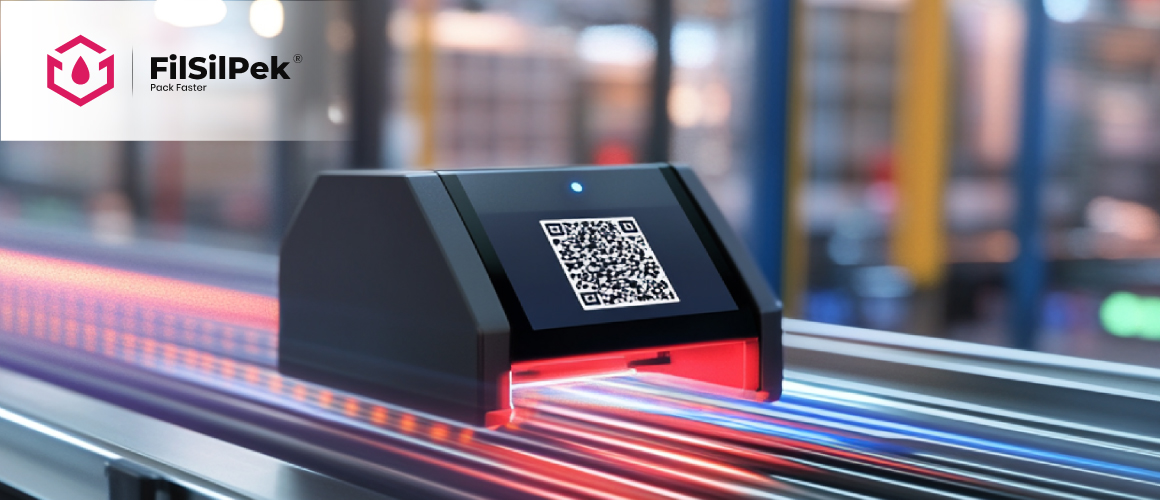
Getting ready for GS1 Sunrise 2027 and the shift to 2D barcodes is really about future-proofing your business. In short, it’s a global initiative that means all products will need to carry 2D barcodes, like QR codes or Data Matrix, instead of or in addition to the traditional 1D barcodes (those familiar lines you see on almost everything). This change opens up a lot of possibilities for more information, better tracking, and enhanced consumer engagement. While 2027 sounds far off, the preparation needs to start now because it’s a fundamental change to how products are identified and information is shared across supply chains.
Understanding the GS1 Sunrise 2027 Initiative
GS1 Sunrise 2027 isn’t just about switching barcode types; it’s a strategic move to unlock a new era of data accessibility and product transparency. The current 1D barcodes, while effective for basic product identification and price lookup, are pretty limited in the amount of information they can hold. Think of it like this: a 1D barcode can tell you what an item is, but a 2D barcode can tell you what it is, where it came from, when it was made, what ingredients it has, and even how to use it.
Why the Shift to 2D Barcodes?
The primary driver for this transition is the increasing demand for more detailed product information. Consumers want to know more about the items they buy – their origin, sustainability credentials, allergenic information, or even expiry dates. Businesses, on the other hand, benefit from enhanced traceability, better inventory management, and improved recall efficiency. Beyond consumer and business needs, regulatory bodies are also pushing for greater transparency, especially in sectors like food and pharmaceuticals. 2D barcodes are a more robust solution to meet these evolving requirements.
What is a 2D Barcode Exactly?
When we talk about 2D barcodes, we’re primarily referring to types like QR Codes or Data Matrix codes. Unlike 1D linear barcodes that encode data horizontally, these codes store information both horizontally and vertically, allowing for a significantly larger data capacity. This means you can embed a wealth of information directly within the barcode or, more commonly, link to a web address (URL) where that detailed information resides. This flexibility is key to the Sunrise 2027 vision.
Transitioning to 2D Barcodes for GS1 Sunrise 2027
The move from 1D to 2D barcodes will impact various parts of your business, from packaging design to your IT infrastructure. It’s not just a simple swap; it requires a thoughtful and phased approach. You’ll need to consider what information you want to share, how you’ll manage that data, and how your partners throughout the supply chain will handle the new codes.
Assessing Current Systems and Infrastructure
Before leaping into 2D barcodes, take a good look at your existing systems. Are your current point-of-sale (POS) scanners capable of reading 2D codes? What about your warehouse management systems or your manufacturing lines? Many modern scanners are already dual-capable, but older equipment might need an upgrade. This assessment is a crucial first step to understand the scope of the changes ahead.
Data Management Considerations
One of the biggest advantages of 2D barcodes is the ability to carry much more information. This means you’ll need robust systems to manage that data. Where will product information be stored? How will it be updated? How will you ensure accuracy and consistency across different platforms and partners? Implementing a Product Information Management (PIM) system or enhancing existing data management tools will likely be a key part of your transition strategy.
Partner Communication and Collaboration
Your journey to 2D barcodes isn’t a solo mission. You’ll need to work closely with your suppliers, distributors, retailers, and any other partners in your supply chain. Ensure they understand the changes, are aware of the timeline, and are also preparing their systems. Early and clear communication will prevent disruptions down the line. It’s about establishing a common language and understanding for this new era of product identification.
Implementing GS1 Standards for 2D Barcodes
While 2D barcodes offer a lot of flexibility, adhering to GS1 standards is critical. This ensures consistency and interoperability across the global supply chain. Without common standards, the benefits of 2D barcodes would be significantly reduced. GS1 provides the framework for how to structure and encode information within these barcodes, making sure everyone is speaking the same language.
Choosing the Right 2D Barcode Symbology
For GS1 applications, the most common 2D barcode symbologies you’ll encounter are GS1 DataMatrix and GS1 QR Code. Each has its strengths. GS1 DataMatrix is often preferred in healthcare and manufacturing due to its robustness and smaller size requirements, while GS1 QR Code is widely recognized by consumers and offers excellent readability, making it ideal for consumer-facing applications. The choice will depend on your specific industry, product, and the intended use case.
Encoding Information with Application Identifiers (AIs)
A key part of GS1 standards for 2D barcodes is the use of Application Identifiers (AIs). These are numerical prefixes that tell scanners what kind of data follows. For example, AI (01) indicates the GTIN (Global Trade Item Number), AI (17) is for the expiration date, and AI (10) for the batch/lot number. Using AIs consistently ensures that any system can correctly interpret the data encoded in the 2D barcode, regardless of its source. This structured approach is what makes 2D barcodes truly powerful for supply chain management.
Integrating with Existing GS1 Global Standards
The transition to 2D barcodes isn’t replacing existing GS1 standards like GTINs; it’s enhancing them. Your GTINs will remain the primary product identifier, but now they’ll be part of a richer dataset within the 2D barcode. The goal is to integrate these new capabilities seamlessly with your current GS1 implementations, building upon your existing framework for product identification and data exchange.
Benefits of Adopting GS1 Sunrise 2027 and 2D Barcodes
|
Benefits |
Metrics |
|
Improved supply chain visibility |
Reduction in out-of-stocks by 50% |
|
Enhanced traceability |
Reduction in product recalls by 60% |
|
Increased efficiency in product identification |
Reduction in manual data entry errors by 75% |
|
Global interoperability |
Improved trading partner collaboration by 40% |
Embracing GS1 Sunrise 2027 and the shift to 2D barcodes isn’t just about compliance; it’s about unlocking significant operational and strategic advantages. These benefits can touch every part of your business, from improving efficiency to enhancing customer loyalty.
Enhanced Supply Chain Visibility and Traceability
With 2D barcodes, you can embed more detailed information about each item, including batch numbers, serial numbers, and expiry dates. This level of granularity significantly improves traceability throughout the supply chain. You’ll have a clearer picture of where products are, where they’ve been, and their current status. This is invaluable for managing recalls, preventing counterfeiting, and optimizing logistics.
Improved Operational Efficiency
The richer data within 2D barcodes can streamline various internal processes. Faster and more accurate scanning, automated inventory management based on expiry dates, and reduced manual data entry are all potential gains. This efficiency translates to lower operational costs, less waste, and a more agile supply chain capable of responding quickly to market changes.
Greater Consumer Engagement and Trust
2D barcodes offer a direct channel to consumers. By linking to product landing pages, sustainability reports, allergen information, or even interactive content, you can provide an enriched customer experience. This transparency builds trust and empowers consumers with the information they seek, potentially leading to increased sales and brand loyalty. Imagine a shopper scanning a QR code on a food item and instantly seeing its country of origin, nutritional facts, and recipe suggestions.
Increased Data for Business Intelligence
The vast amount of data that can be collected through 2D barcode scans offers incredible opportunities for business intelligence. By analyzing this data, you can gain deeper insights into consumer behavior, product performance, supply chain bottlenecks, and market trends. This information can then inform strategic decisions, product development, and marketing campaigns.
Challenges and Considerations for GS1 Sunrise 2027 and 2D Barcodes
While the benefits are clear, navigating the transition to GS1 Sunrise 2027 and 2D barcodes also comes with its set of challenges. Being aware of these potential hurdles upfront allows you to plan effectively and mitigate risks.
Investment in Technology and Infrastructure
Upgrading scanning equipment, implementing new data management systems, and potentially redesigning packaging will require financial investment. Businesses need to budget appropriately and understand the return on investment over the long term. This isn’t just about purchasing new gadgets; it’s about integrating these new technologies into your existing ecosystem.
Data Management Complexity
Handling the increased volume and variety of data associated with 2D barcodes can be complex. Ensuring data accuracy, security, and accessibility across different systems and partners will be a significant undertaking. Developing robust data governance policies and investing in tools that can manage this complexity is essential. This isn’t just about storing data; it’s about making it meaningful and actionable.
Partner Readiness and Collaboration
The success of GS1 Sunrise 2027 hinges on widespread adoption across the entire supply chain. If some partners lag behind in their implementation, it can create bottlenecks and inefficiencies. Active communication, collaboration, and potentially offering support to smaller partners will be vital to ensure a smooth transition for everyone involved. It’s a chain, and each link needs to be strong.
Cybersecurity and Data Privacy
With more data being shared and accessed, cybersecurity and data privacy become even more critical. Businesses must ensure that sensitive product and consumer information is protected from unauthorized access or breaches. Adhering to relevant data protection regulations (like GDPR or CCPA) and implementing robust security measures will be paramount.
Training and Education for GS1 Sunrise 2027 and 2D Barcodes
A successful transition isn’t just about technology; it’s about people. Ensuring your teams are well-informed and properly trained on the new systems and processes is crucial for smooth implementation and sustained success.
Internal Stakeholder Awareness
Start by educating your internal teams about the initiative. This includes everyone from packaging designers and marketing personnel to IT staff and warehouse operators. Explaining the ‘why’ behind the change and the benefits it will bring can help foster buy-in and proactive engagement. This foundational awareness sets the stage for more specialized training.
Technical Training for IT and Operations Teams
Your IT department will need detailed training on implementing and maintaining the new data management systems, integrating scanners, and ensuring data security. Operational teams in manufacturing, warehousing, and logistics will require hands-on training for scanning, data entry, and troubleshooting with the new 2D barcodes. This specialized training ensures the technical aspects are handled with competence.
Customer-Facing Team Education
If you plan to use 2D barcodes for consumer engagement, your customer service and sales teams should understand how these codes work and what information they provide. They should be equipped to answer customer questions and even guide them on how to use their smartphones to scan and access the information. They are the frontline and their understanding can greatly enhance the customer experience.
Best Practices for Successful Implementation of GS1 Sunrise 2027 and 2D Barcodes
Implementing such a significant change requires a thoughtful strategy and adherence to best practices. This layered approach helps ensure a smooth transition and maximizes the benefits of 2D barcodes.
Start Small with Pilot Programs
Don’t try to implement everything at once across your entire product line or supply chain. Begin with pilot programs on a limited number of products or in a specific region. This allows you to identify challenges, fine-tune your processes, and gather feedback before a broader rollout. Learning in a controlled environment can save a lot of headaches later.
Engage with Solution Providers and GS1 Experts
You don’t have to navigate this alone. Work with experienced solution providers who specialize in barcode technology, data management, and supply chain solutions. Consult with GS1 directly for guidance on standards and implementation best practices. Their expertise can be invaluable in avoiding common pitfalls and streamlining your transition.
Develop a Phased Rollout Plan
Create a clear, phased implementation plan with realistic timelines and measurable milestones. This plan should outline who is responsible for what, what resources are needed, and how progress will be tracked. A well-structured plan helps manage complexity and ensures a systematic approach to the transition.
Prioritize Data Quality and Governance
The success of your 2D barcode initiative heavily relies on the quality of your data. Establish robust data governance policies from the outset. This includes defining data ownership, ensuring data accuracy and completeness, and setting up processes for ongoing data maintenance. High-quality data is the cornerstone of effective 2D barcode implementation.
Foster a Culture of Continuous Improvement
The move to 2D barcodes is an ongoing journey, not a one-time event. Foster a culture of continuous improvement within your organization. Regularly review your processes, solicit feedback from employees and partners, and stay updated on evolving GS1 standards and technological advancements. This proactive approach ensures your systems remain optimized and future-proof.
FAQs
What is GS1 Sunrise 2027 and the initiative for transitioning to 2D barcodes?
GS1 Sunrise 2027 is an initiative aimed at transitioning from linear barcodes to 2D barcodes for product identification and data capture. The initiative is driven by the need for increased data capacity, improved traceability, and global interoperability in supply chains.
What are the benefits of adopting GS1 Sunrise 2027 and 2D barcodes?
Adopting GS1 Sunrise 2027 and 2D barcodes offers several benefits, including increased data capacity, improved traceability, enhanced product authentication, and better support for mobile scanning. It also enables better visibility and accuracy in supply chain operations.
What are the challenges and considerations for implementing GS1 Sunrise 2027 and 2D barcodes?
Challenges and considerations for implementing GS1 Sunrise 2027 and 2D barcodes include the need for system upgrades, potential costs associated with transitioning, training and education for stakeholders, and ensuring compatibility with existing systems and processes.
What training and education resources are available for GS1 Sunrise 2027 and 2D barcodes?
GS1 provides a range of training and education resources for GS1 Sunrise 2027 and 2D barcodes, including webinars, workshops, online courses, and implementation guides. These resources are designed to help stakeholders understand the requirements and best practices for successful adoption.
What are the best practices for successful implementation of GS1 Sunrise 2027 and 2D barcodes?
Best practices for successful implementation of GS1 Sunrise 2027 and 2D barcodes include conducting a thorough assessment of current systems and processes, engaging with trading partners and industry stakeholders, ensuring compliance with GS1 standards, and establishing a clear implementation plan with defined milestones.
Smart labelling: QR codes, NFC and customer engagement
Smart labeling technology overview and….
Human-Robot Collaboration: How Cobots Are Transforming Material Handling & Palletizing
A practical guide to deploying collaborative robots for loading….
Regulatory compliance and validation for pharmaceutical filling lines
You operate in a highly regulated environment where….