
Edge computing & real time quality checks
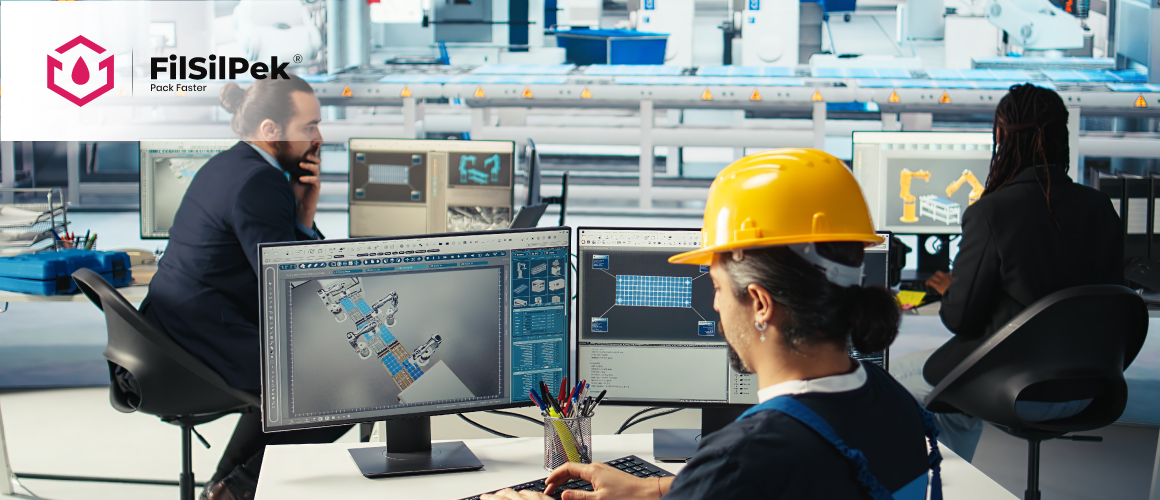
You’ve probably heard of “edge computing” and maybe wondered what it actually means for things like making sure products are up to snuff, instantly. Simply put, edge computing brings the processing power and data analysis closer to where the action is happening – right at the source of production, for example – rather than sending everything back to a central server. This quick, local analysis is a game-changer for real-time quality checks, allowing for immediate identification and correction of issues before they become bigger problems.
Why Speed Matters in Quality Control
Think about a manufacturing line. If a product has a defect, flagging it late means it might have already passed through several other stages, potentially contaminating more items or requiring costly rework. Traditional methods might involve cameras capturing images, sending them to a central cloud for analysis, and then waiting for a signal to stop the line or reject the part. This round trip can take precious seconds, or even minutes, which is an eternity in high-speed production.
The Bottleneck of Centralized Data
The internet is amazing, but it’s not always instantaneous. For quality control, relying solely on sending vast amounts of visual data, sensor readings, or other quality metrics to a distant data center introduces latency. This delay is the primary bottleneck. It’s like trying to get instant feedback on a golf swing from someone watching it on the moon – by the time they tell you what you did wrong, you’ve already taken your next swing.
The Cost of Delayed Detection
Every minute a defect goes unnoticed on a production line is a minute of wasted materials, labor, and potential revenue. The further a faulty product travels, the more expensive it becomes to identify and remove it from the system. In some industries, like food production or pharmaceuticals, a delayed detection could even lead to significant health risks and brand damage.
What Exactly is “The Edge”?
When we talk about “the edge” in edge computing, we’re referring to the physical locations where data is generated. This could be:
On the Factory Floor
In a manufacturing setting, the edge is literally the machines on the assembly line, the robotic arms, the conveyor belts, and the monitoring equipment attached to them. It’s the point where tangible goods are being made and inspected.
In Remote Locations
For industries like agriculture or energy, the edge might be a sensor on a remote pipeline, a weather station in a field, or a drone inspecting infrastructure. The data originates far from any centralized office or data center.
At the Point of Sale
Even in retail, the edge could be a smart shelf that monitors inventory or a checkout scanner that identifies anomalies. The key is that computation happens at or very near the source of the data.
How Edge Computing Revolutionizes Real-Time Quality Checks
The core benefit of edge computing for quality assurance is its ability to perform analysis locally. This means instead of sending raw data miles away, the processing happens right there, on a device or a small server situated near the equipment.
Local Processing Power
Think of it as giving each critical quality checkpoint its own little brain. This brain can analyze images from a camera, interpret readings from a sensor, or process data from multiple sources in real-time. This allows for immediate decision-making.
Immediate Feedback Loops
When the “brain” at the edge detects a problem – like a component not being seated correctly, a surface scratch, or an incorrect label – it can immediately trigger an alert. This alert can then be used to stop the production line, divert the faulty item, or even automatically adjust the process to prevent future defects. This creates a tight, responsive feedback loop that simply isn’t possible with traditional cloud-based processing for time-sensitive tasks.
Reduced Bandwidth Needs
Sending raw, high-resolution video or massive sensor data streams to the cloud constantly consumes significant bandwidth. By processing data at the edge and only sending relevant insights or alerts, edge computing dramatically reduces the amount of data that needs to be transmitted. This can be a huge cost saver and is particularly beneficial in locations with poor or expensive internet connectivity.
Practical Applications: Seeing Edge Computing in Action
|
Industry |
Use Case |
Metric |
|
Manufacturing |
Quality Control |
Reduction in defect rates |
|
Healthcare |
Remote Patient Monitoring |
Decrease in hospital readmission rates |
|
Retail |
Inventory Management |
Improvement in stock accuracy |
|
Transportation |
Traffic Management |
Reduction in congestion and travel time |
The theory is great, but what does this look like in the real world? These aren’t just hypothetical scenarios; they’re existing implementations making a tangible difference.
Automated Visual Inspection
This is perhaps the most common application. High-speed cameras capture images of products as they move down a line. Instead of sending thousands of images to the cloud for analysis, edge devices with specialized AI models can analyze these images in milliseconds. They can detect defects like chips, cracks, incorrect color, missing text, or foreign particles. If a defect is found, the edge device can instantly signal a robotic arm to remove the item.
Defect Detection on Printed Circuit Boards (PCBs)
Tiny defects on PCBs can cause major electronic failures. Edge AI can analyze images of these boards in real-time, spotting solder bridges, missing components, or incorrect placement with incredible accuracy, preventing faulty electronics from reaching consumers.
Food and Beverage Quality Control
From checking for foreign objects in packaged goods to ensuring consistent fill levels or verifying label placement on bottles, edge computing can provide instant inspection without slowing down high-volume production.
Predictive Maintenance through Sensor Data
By analyzing data from vibration sensors, temperature gauges, and other monitoring devices on machinery at the edge, you can predict when a machine might fail. This allows for maintenance to be scheduled before a breakdown occurs, preventing costly downtime and ensuring consistent product quality.
Monitoring Motor Health
Edge devices can continuously analyze the vibration patterns and temperature of motors. Deviations from normal patterns could indicate wear or impending failure, allowing for proactive intervention.
Ensuring Optimal Environmental Conditions
In sensitive manufacturing processes, like those in the pharmaceutical or semiconductor industries, edge computing can monitor and control environmental factors like temperature, humidity, and air pressure in real-time, ensuring product integrity.
Real-Time Process Monitoring and Adjustment
Edge devices can also monitor the process itself, not just the final product. If a machine’s parameters drift slightly, indicating a potential shift that could lead to defects, the edge system can identify this and automatically make small adjustments to bring it back within the optimal range.
Ensuring Consistent Mixing Ratios
In chemical or food processing, edge sensors can monitor the flow rates and concentrations of ingredients. If they deviate, the edge system can alert operators or even automatically adjust pumps to maintain the correct mix.
Optimizing Welding Parameters
Edge AI can analyze sensor data during welding operations, detecting inconsistencies in heat, pressure, or speed. It can then adjust parameters in real-time to ensure a strong, consistent weld, avoiding structural weaknesses.
The Advantages of Implementing Edge Solutions
Beyond just speed, there are several other compelling reasons to consider edge computing for your quality control needs.
Enhanced Data Security
Processing sensitive data locally at the edge can reduce exposure risks. Instead of sending raw production data, which might contain proprietary information or trade secrets, to a cloud server, only anonymized insights or critical alerts are transmitted. This can simplify compliance with data privacy regulations.
Improved Reliability and Uptime
Edge systems are less dependent on a constant internet connection. If your internet goes down, your quality checks can continue to operate autonomously, ensuring your production line doesn’t grind to a halt. This resilience is critical for maintaining continuous operations.
Lower Operational Costs
While there’s an initial investment in edge hardware, the long-term savings can be substantial. Reduced bandwidth costs, less waste from rejected products, and minimized downtime all contribute to a healthier bottom line. Furthermore, the ability to fix issues instantly prevents the snowball effect of multiple defects.
Overcoming Challenges and Looking Ahead
Implementing edge computing isn’t entirely without its hurdles. You need to consider the hardware, the software, and the expertise to manage it.
Hardware Considerations
Choosing the right edge devices is crucial. You need something robust enough to withstand the factory environment, powerful enough for the required analysis, and with the right connectivity options. This might range from industrial PCs to specialized AI accelerators.
Software and AI Model Management
Developing and deploying AI models for edge devices requires a different approach than cloud-based AIs. Models need to be optimized for performance on resource-constrained hardware. Managing updates and ensuring consistency across multiple edge devices also presents a logistical challenge.
Integration with Existing Systems
Successfully integrating edge solutions into your current manufacturing execution systems (MES), enterprise resource planning (ERP) systems, or other operational technology (OT) is key. Seamless data flow ensures that the insights from the edge are actionable by the wider organization.
Despite these challenges, the trajectory is clear. As edge computing technologies mature and become more accessible, their role in enabling robust, real-time quality assurance will only grow. The ability to make intelligent decisions at the source of data generation is no longer a futuristic concept but a practical necessity for businesses aiming to maintain high standards, reduce waste, and stay competitive in today’s fast-paced world.
FAQs
What is edge computing and how does it relate to real time quality checks?
Edge computing refers to the practice of processing data near the source of the data, rather than relying on a centralized cloud-based system. In the context of real time quality checks, edge computing allows for immediate analysis and decision-making at the point of production, enabling faster and more accurate quality assurance processes.
What are the advantages of leveraging edge technology for real time quality monitoring?
Leveraging edge technology for real time quality monitoring offers several advantages, including reduced latency, improved data security, enhanced reliability, and the ability to operate in remote or disconnected environments. Additionally, edge computing enables real time decision-making and immediate response to quality issues, leading to improved overall product quality.
How does edge computing enable real time quality assurance?
Edge computing enables real time quality assurance by processing and analyzing data at the edge of the network, allowing for immediate detection of quality issues and rapid response to prevent defects or errors. This real time analysis and decision-making capability is crucial for maintaining high quality standards in fast-paced production environments.
What is the role of edge computing in enhancing quality control?
The role of edge computing in enhancing quality control is to provide real time data analysis and decision-making capabilities at the point of production. This allows for immediate detection of quality issues, proactive intervention to prevent defects, and continuous monitoring to ensure consistent quality standards are met.
How can edge solutions be implemented for real time quality control?
Edge solutions can be implemented for real time quality control by deploying edge computing devices and sensors at the point of production, integrating them with quality monitoring systems, and leveraging real time analytics and machine learning algorithms to enable immediate quality checks and decision-making. This allows for continuous, proactive quality control in dynamic manufacturing environments.
Modular Multi-Head Capping Systems for Line Flexibility
The modern packaging landscape demands an agility that…..

Material Compatibility: Managing Corrosive or Volatile Liquids Safely
Material compatibility stands as a cornerstone…..
Using Digital Twins to Design Powder & Granule Filling Lines Context
The modern manufacturing landscape is characterized…..