Machine vision fill level & seal defect detection
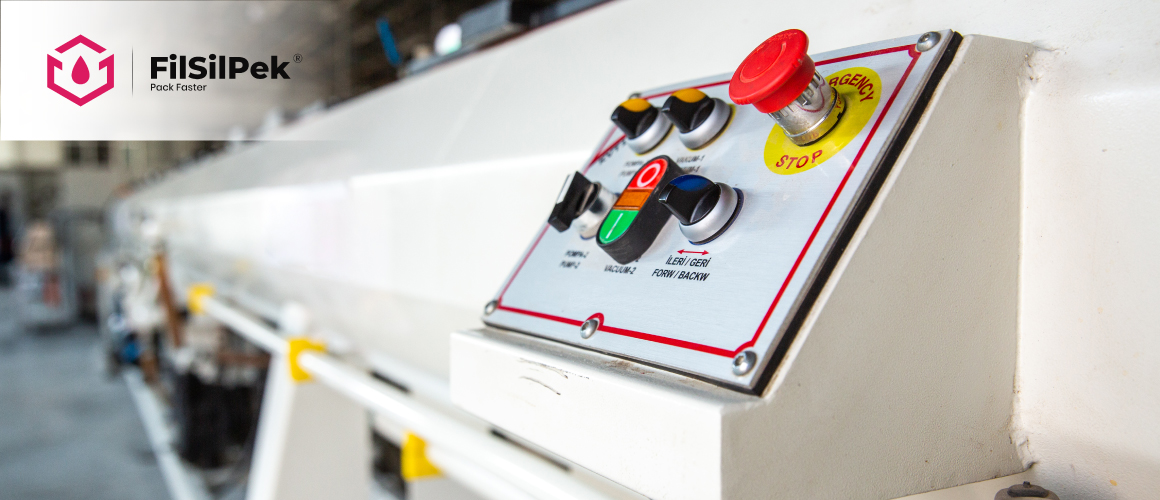
So, you’re wondering about machine vision for fill level and seal defect detection. In a nutshell, it’s a technology that uses cameras and computer algorithms to automatically inspect products for proper fill levels and seal integrity. This isn’t just about catching mistakes; it’s about making sure your products consistently meet quality standards, which in turn keeps your customers happy and reduces waste. Think of it as an extra pair of incredibly precise, tireless eyes on your production line, catching things humans might miss, especially at high speeds.
Why Quality Control Demands Machine Vision
In today’s manufacturing world, quality control isn’t just a buzzword; it’s fundamental. Consumers expect products to be exactly as advertised, and regulations are becoming stricter. Manual inspection, while having its place, just can’t keep up with the speed and volume of modern production lines. It’s prone to fatigue, inconsistency, and human error. This is where machine vision steps in, offering a reliable and objective alternative.
The Limitations of Manual Inspection
Consider a bottling plant producing thousands of units per hour. Having a person visually check each bottle for fill level or a crooked cap is not only incredibly difficult but also highly inefficient. Fatigue sets in, attention wanders, and what one inspector deems acceptable, another might not. This subjectivity leads to inconsistencies in product quality and can result in costly recalls or dissatisfied customers. Manual inspection, by its very nature, is a bottleneck in high-volume production.
The Need for Consistency and Speed
Machine vision systems, on the other hand, operate with unwavering consistency. Once programmed, they apply the exact same criteria to every single product passing through their field of view. They don’t get tired, they don’t get distracted, and they can process products at speeds far exceeding human capabilities. This combination of consistency and speed is paramount for maintaining brand reputation and ensuring efficient manufacturing processes. Failing to detect a minor seal defect, for instance, could lead to product spoilage and a damaged brand image.
Unpacking Fill Level Detection with Machine Vision
Accurate fill level is crucial for many products, from beverages and pharmaceuticals to cosmetics and household cleaners. Too little, and customers feel short-changed; too much, and you’re giving away product and potentially causing spills or packaging issues. Machine vision provides a precise and repeatable way to ensure every single container has the correct amount of product.
How It Works: The Basics
At its core, a machine vision system for fill level detection involves a camera acquiring an image of the container. Specialized software then analyzes this image to determine the fill line. This isn’t just about finding a horizontal line; it often involves sophisticated algorithms that can account for meniscus (the curved surface of a liquid), foam, or variances in container transparency. The system quantifies the fill level and compares it to a predefined acceptable range.
Addressing Product Specifics and Challenges
Different products present different challenges. For clear liquids in clear containers, backlighting might be used to highlight the surface. For opaque containers, external lighting and specific camera angles might be needed to determine internal fill based on the container’s physical properties. Foaming products require even more advanced techniques, often involving image processing to differentiate between liquid and foam, or using specific time delays after filling to allow foam to dissipate. The key is that the system can be tailored to the unique characteristics of each product and packaging.
Pinpointing Seal Defects with Advanced Vision Technology
The integrity of a product’s seal is often as important as its contents. A compromised seal can lead to contamination, leakage, or product degradation, all of which directly impact safety, quality, and shelf life. Machine vision offers a robust solution for identifying a myriad of seal defects that would be difficult or impossible to catch reliably with the human eye, especially at production speeds.
Common Seal Defects Detected
Think about the various ways a seal can go wrong. It could be an incomplete seal where two layers haven’t fully bonded. There might be wrinkles or folds in the sealing material, creating pathways for air or contaminants. Product often gets trapped in the seal area, preventing a proper bond. Misaligned seals, where the sealing surface isn’t correctly positioned, also lead to failure. Machine vision systems are trained to recognize these specific anomalies.
The Technology Behind the Detection
The process often begins with high-resolution cameras capturing images of the sealed area. Depending on the material and type of seal, different lighting techniques might be employed. Backlighting can highlight pinholes or tears, while diffused lighting can emphasize surface irregularities like wrinkles. Infrared or thermal imaging can even be used for certain types of seals to detect temperature variations indicative of a poor bond. The software then compares these images to a ‘golden standard’ or a set of defined criteria, immediately flagging any deviations. Pattern matching algorithms are particularly effective here, identifying even subtle deformities.
Overcoming Roadblocks in Machine Vision Implementation
While machine vision offers immense benefits, it’s not a magic bullet. There are practical hurdles that need to be addressed during implementation to ensure the system performs optimally and sustainably. Understanding these challenges upfront can save a lot of headaches down the line.
The Importance of Lighting and Optics
One of the most critical, yet often overlooked, aspects of any machine vision system is the lighting. Poor lighting can render even the most sophisticated camera and software useless. The right lighting technique can highlight defects, minimize reflections, and create enough contrast for the vision system to “see” clearly. This often involves experimenting with different light sources (LEDs, strobes, infrared), angles, and diffusers. Similarly, selecting the correct lens – its focal length, resolution, and depth of field – is crucial for capturing the necessary detail. A mismatch here means blurry images or an inability to capture the entire area of interest.
Dealing with Product and Packaging Variations
Real-world production lines rarely have perfectly uniform products or packaging. Containers might have subtle variations in shape, color, or transparency. Labels might be slightly crooked, or product might shift within the packaging. These variations can throw off a system that’s too rigidly programmed. Robust machine vision systems are designed with algorithms that can tolerate minor variations, or they employ adaptive learning techniques to adjust to common fluctuations. The challenge is to differentiate between acceptable variation and an actual defect.
Calibration and Maintenance Requirements
Machine vision systems aren’t “install and forget.” Regular calibration is essential to maintain accuracy. This involves periodically checking that the camera’s perspective hasn’t shifted, that the lighting is still optimal, and that the measurement thresholds are still appropriate. Environmental factors like dust, temperature changes, or vibration can all impact performance. Furthermore, like any piece of industrial equipment, vision systems require periodic maintenance, including cleaning lenses, checking cable connections, and updating software. Neglecting these aspects can lead to false positives (good products rejected) or, worse, false negatives (defective products passed).
Boosting Productivity with Automated Fill Level Detection
Beyond just catching defects, machine vision for fill level detection has a profound impact on overall operational efficiency. It’s not just about quality; it’s about optimizing your entire production process.
Reducing Rework and Waste
When fill levels are consistently off, whether too high or too low, it leads to significant downstream issues. Underfilled products might result in customer complaints or even regulatory fines. Overfilled products mean giving away valuable product and can also cause packaging issues or damage during shipping. By catching these issues in real-time, machine vision systems allow for immediate adjustments to filling equipment, drastically reducing the amount of product that needs to be reworked or, worse, discarded entirely. This directly impacts your bottom line.
Providing Real-time Feedback for Process Control
One of the most valuable aspects of machine vision is its ability to provide instantaneous feedback. If the system detects a trend of consistently underfilled bottles, it can send an alert to an operator or even directly communicate with the filling machinery to make automatic adjustments. This proactive approach to quality control prevents prolonged periods of producing out-of-spec products. This real-time data allows for continuous optimization of the production line, identifying bottlenecks or machinery drifts almost as they happen, rather than hours later during a batch inspection. It transforms quality control from a reactive process into a proactive one.
FAQs
- What is machine vision fill level and seal defect detection?
Machine vision fill level and seal defect detection is a technology that uses cameras and image processing algorithms to inspect and analyze the fill level of products and detect any defects in the seal of packaging.
- How does machine vision play a role in quality control for fill level and seal defects?
Machine vision technology plays a crucial role in quality control by providing accurate and consistent inspection of fill levels and seal defects, ensuring that products meet the required standards and specifications.
- What are the benefits of using machine vision for fill level and seal defect detection?
Using machine vision for fill level and seal defect detection offers benefits such as improved efficiency, enhanced product quality, reduced waste, and increased production reliability.
- What challenges can be overcome with advanced vision technology in fill level and seal defect detection?
Advanced vision technology can overcome challenges such as variations in product packaging, different lighting conditions, and the need for high-speed inspection, ensuring reliable and accurate detection of fill level and seal defects.
- How can machine vision be implemented for accurate fill level measurement in production processes?
Machine vision can be implemented for accurate fill level measurement by integrating cameras and image processing software into production lines, allowing real-time inspection and measurement of fill levels to ensure product consistency and quality.
Case Study: Sustainable Packaging in Dairy & Plant-Based Milk Processing
The dairy and plant-based beverage industries….
Modular Multi-Head Capping Systems for Line Flexibility
The modern packaging landscape demands an agility that…..
Material Compatibility: Managing Corrosive or Volatile Liquids Safely
Material compatibility stands as a cornerstone…..