
Modular Multi-Head Capping Systems for Line Flexibility
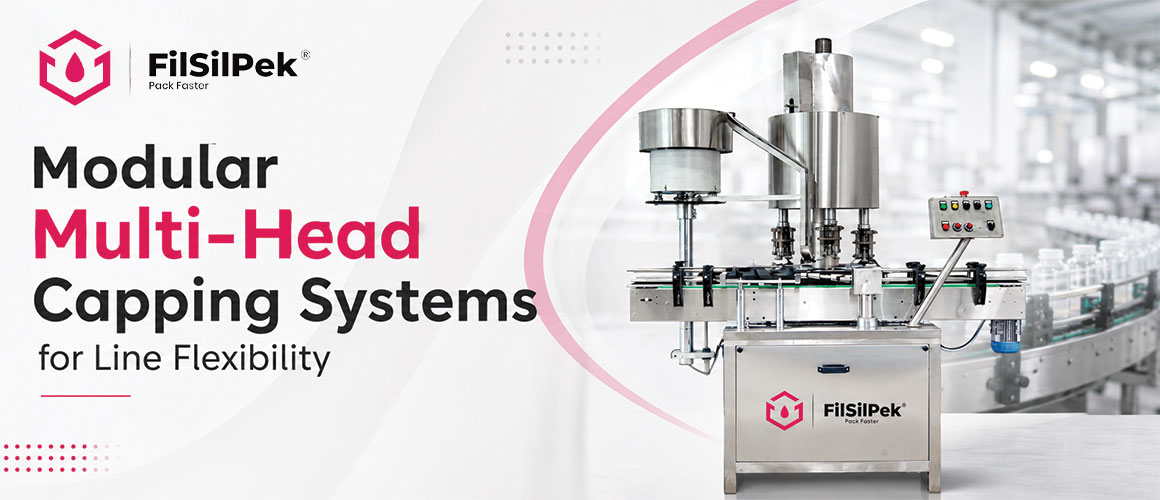
The modern packaging landscape demands an agility that was once unimaginable. Manufacturers face an ever-increasing array of product variations, package sizes, and market demands, all while striving for peak efficiency and reduced downtime. In this dynamic environment, the capping station, often a linchpin of the packaging line, has undergone a significant evolution. The advent of modular multi-head capping systems has emerged as a transformative solution, offering unprecedented flexibility, enhanced performance, and robust adaptability. This article delves into the intricacies of these advanced systems, exploring why they matter, the technology behind them, and the practical considerations for their successful implementation and maintenance.
Why Modular Capping Systems Matter
The traditional approach to capping often involved dedicated machines for specific bottle neck finishes and cap types. While effective for high-volume, singular product lines, this inflexibility became a significant bottleneck when production demands shifted. The need to retool, recalibrate, or even replace entire capping units for even minor product changes translated into costly downtime and reduced overall equipment effectiveness (OEE). Modular capping systems directly address this challenge by embracing a design philosophy centered on adaptability. Instead of a monolithic, fixed structure, these systems are composed of independent, interchangeable modules. This fundamental shift allows operators to quickly and efficiently reconfigure the capping station to accommodate a wide spectrum of containers and closures. The ability to swap out capping heads, adjust spacing, and even integrate different capping technologies within a single frame provides a level of operational freedom that is paramount in today’s fast-paced manufacturing environments. The economic implications are substantial, reducing the need for redundant equipment and minimizing the capital expenditure associated with product line diversification. Furthermore, the reduction in changeover times directly contributes to increased uptime and higher throughput, ultimately impacting the bottom line positively. The concept extends beyond mere mechanical swapping; advanced modular systems often incorporate intelligent controls that can automatically recognize and configure settings for different modules, further streamlining the transition.
The Evolution from Fixed to Flexible
The historical reliance on single-purpose capping machines stemmed from a manufacturing paradigm focused on mass production of a limited number of SKUs. As market segmentation grew and consumer preferences diversified, the limitations of this approach became glaringly apparent. Product launches became more frequent, and the need to cater to niche markets required smaller production runs of various items. Fixed capping stations, designed for a specific bottle diameter and cap thread, would require extensive manual adjustments or even complete component replacement for even slight variations. This process was not only time-consuming but also prone to human error, leading to potential quality issues and further delays. The modular design represents a direct response to this evolution, shifting the focus from a rigid, single-function machine to a dynamic, multi-talented platform. This fundamental change in philosophy has empowered manufacturers to respond to market demands with unprecedented speed and efficiency, transforming the capping station from a potential bottleneck into a strategic asset.
Understanding the Cost of Inflexibility
The financial repercussions of an inflexible capping system are multifaceted. Beyond the obvious costs of extended downtime during changeovers, there are hidden expenses. The necessity of maintaining inventory for multiple dedicated capping machines, each tailored to a specific product, ties up valuable capital and warehouse space. Moreover, when product lines are discontinued, these specialized machines can become obsolete, representing a significant sunk cost. The inability to quickly adapt to new product introductions or seasonal demands can also lead to lost sales opportunities. In contrast, a modular system, by its very nature, minimizes these financial burdens. The reduced need for specialized equipment, the significant decrease in changeover times, and the extended lifespan of the core capping frame all contribute to a more favorable total cost of ownership. The ability to leverage a single platform for a multitude of applications significantly improves the return on investment for the capping equipment.
Multi-Head Capping Technology Explained
The heart of a modular multi-head capping system lies in its ability to integrate multiple capping mechanisms within a single, adaptable frame. These systems typically employ a series of individual capping heads, each designed to perform a specific capping operation. The beauty of the modular design is that these heads can be easily added, removed, or repositioned along a central track or spindle arrangement. This allows for simultaneous capping of multiple containers, dramatically increasing throughput compared to single-head machines. The types of capping heads can vary widely, catering to different closure mechanisms, including screw caps, press-on caps, ROPP (Roll-on Pilfer-proof) caps, and even specialized closures. The modularity extends to the tooling within each head, allowing for quick adaptation to different cap sizes and shapes. This integrated approach, where multiple capping operations occur concurrently, is what drives the significant production increases associated with these advanced systems. The intelligent integration of these heads, often orchestrated by sophisticated PLC (Programmable Logic Controller) systems, ensures precise application of torque and consistent sealing for every container.
The Mechanics of Multiple Heads
At its core, a multi-head capping system features a linear or rotary track upon which multiple capping heads are mounted. As containers move along the conveyor and enter the capping zone, they are individually engaged by these heads. Each head is equipped with a specific capping mechanism tailored to the closure type. For screw caps, this typically involves a spindle with a capping chuck that grips the cap and applies rotational force. For press-on caps, the heads might employ a downward force to securely seat the closure. ROPP cap application often involves a more complex process of rolling threads onto the neck finish. The modularity comes into play with the ease of adding or removing these heads from the track. This allows operators to configure the machine with the optimal number of heads for the required production speed and the specific capping operation. The spacing between heads can also be adjusted, accommodating different container diameters and enabling simultaneous capping of multiple containers on a single line. This parallel processing capability is a key differentiator from single-head machines.
Diverse Capping Head Applications
The versatility of multi-head capping systems is directly attributable to the diverse range of capping heads that can be integrated. For standard screw caps, various chuck designs are available, including rubber-lined, magnetic, and vacuum-assisted chucks, each offering different levels of grip and torque control. For tamper-evident closures like ROPP caps, specialized rolling heads are employed, ensuring a secure seal and an unbroken tamper-evident band. Press-on caps, commonly found on items like dropper bottles or certain food products, utilize heads that apply controlled downward pressure to ensure a tight fit. Beyond these common types, modular systems can accommodate specialized capping heads for unique applications, such as trigger sprayers, pumps, or even child-resistant closures. The ability to quickly swap these heads and their associated tooling allows manufacturers to adapt to an ever-changing product portfolio without requiring entirely new capping machinery. This adaptability is a cornerstone of modern flexible packaging lines.
Benefits of Servo-Controlled Torque Systems
The quest for consistent and precise capping is paramount in ensuring product integrity and extending shelf life. Servo-controlled torque systems represent a significant advancement in achieving this goal. Unlike traditional clutch-based torque systems that rely on mechanical friction, servo systems utilize sophisticated electronic feedback loops to precisely control the rotational force applied to each cap.
This level of control is crucial for preventing over-tightening, which can damage caps or bottles, and under-tightening, which can lead to leaks and product spoilage. The servo motor provides accurate and repeatable torque application, ensuring that every cap is sealed to the exact specification, regardless of minor variations in cap or neck finish. This not only enhances product quality but also reduces waste and improves operational efficiency.
Precision and Repeatability in Capping
The inherent advantage of servo-controlled torque lies in its ability to achieve unparalleled precision and repeatability. In a servo system, a motor is directly coupled to the capping spindle, and its speed and torque are meticulously managed by a sophisticated controller. This controller receives feedback from encoders and torque sensors, constantly adjusting the motor’s output to maintain the desired torque setting.
This closed-loop system eliminates the inconsistencies associated with mechanical clutches, which can wear over time and exhibit varying levels of friction. The result is a highly predictable and uniform capping process, where every single cap is applied with the same level of force. This consistency is vital for products where even slight variations in sealing can have significant consequences for product quality, safety, and shelf life.
The ability to program specific torque profiles for different products further enhances this precision.
Reducing Product Loss and Waste
Over-tightening caps can lead to a host of problems, including cracked caps, damaged bottle necks, and even compromised product integrity. Under-tightening, on the other hand, can result in leaks, product degradation, and potential contamination. Servo-controlled torque systems minimize both these risks.
By precisely controlling the applied torque, they ensure that caps are tightened just enough to create a secure seal, without exerting excessive force. This reduces the incidence of cap breakage, bottle damage, and associated product loss. Furthermore, the consistent sealing achieved by servo systems minimizes the likelihood of leaks, thereby reducing product spoilage and waste.
This enhanced sealing performance contributes directly to improved product quality and a reduction in costly product recalls or returns.
Intelligent Torque Adjustment for Diverse Products
The flexibility of servo-controlled torque systems extends to their ability to intelligently adjust torque for different products. Many modern modular capping systems allow operators to program specific torque settings for each product that runs on the line. This means that a delicate glass bottle might require a lower torque setting than a robust plastic container, and the system can automatically adjust accordingly.
This programming can often be linked to the product changeover process, ensuring that the correct torque is applied without manual intervention. This intelligent adjustment capability not only optimizes the capping process for each specific product but also eliminates the potential for human error when setting torque parameters, further contributing to product quality and operational efficiency.
Increasing Production Flexibility
|
Metrics |
Current Value |
Target Value |
|
Lead Time |
10 days |
5 days |
|
Production Changeover Time |
2 hours |
1 hour |
|
Number of Product Variants |
20 |
30 |
|
Utilization of Flexible Equipment |
60% |
80% |
The modular design and servo-controlled torque of modern capping systems are not merely about efficiency; they are fundamentally about increasing production flexibility. Manufacturers can now respond to market fluctuations, seasonal demands, and new product introductions with unprecedented agility. The ability to quickly reconfigure the capping station to accommodate different container sizes, cap types, and even capping speeds means that the line can be adapted to run a wider variety of products with minimal downtime. This agility translates directly into a competitive advantage, allowing businesses to bring new products to market faster, cater to niche demands, and optimize production schedules for maximum profitability. The operational freedom offered by these systems empowers manufacturers to embrace a more dynamic and responsive approach to production.
Adapting to a Diverse Product Portfolio
The contemporary consumer market is characterized by an ever-increasing demand for product variety. From artisanal food products to specialized personal care items, manufacturers are constantly developing new SKUs and catering to niche segments. A modular multi-head capping system is ideally suited to meet this challenge. The ability to quickly swap capping heads, adjust module spacing, and integrate different capping technologies allows the same core capping machine to handle a wide range of container shapes, sizes, and closure types. This means that a single capping station can effectively manage the production of everything from small glass vials to large plastic bottles, using screw caps, ROPP closures, or press-on lids. This level of adaptability eliminates the need for multiple dedicated capping machines, significantly reducing capital expenditure and warehouse space requirements.
Streamlining Product Changeovers
One of the most significant benefits of modular capping systems is the dramatic reduction in product changeover times. In traditional systems, changing from one product to another could involve hours of downtime for manual adjustments, tool changes, and recalibration. Modular systems, with their easily interchangeable components and often integrated automation, can reduce these changeovers to mere minutes. This is achieved through features like tool-less adjustments, quick-release capping heads, and programmable settings that can be recalled at the touch of a button. The faster the changeover, the more time the capping line spends in production, directly translating to increased throughput and profitability. This efficiency allows manufacturers to run smaller batches of various products without incurring prohibitive downtime costs.
Enhanced Line Uptime and Throughput
The combined benefits of modularity and servo control directly contribute to increased line uptime and enhanced throughput. By minimizing changeover times and reducing the likelihood of errors or malfunctions due to precise torque control, the capping station spends less time idle and more time actively capping. This increased operational efficiency means that more product can be processed within a given timeframe. Furthermore, the multi-head configuration allows for simultaneous capping of multiple containers, further boosting the overall throughput of the packaging line. This improved efficiency and productivity are critical for manufacturers looking to meet demanding production targets and remain competitive in a fast-paced market.
Quick Changeover Best Practices
Achieving truly rapid changeovers with modular capping systems requires a proactive approach and adherence to established best practices. It’s not simply about having interchangeable parts; it’s about a systematic methodology for transitioning between products. This involves meticulous planning, organized storage of changeover parts, well-trained personnel, and leveraging the system’s inherent design for speed. From pre-staging tools and components to implementing visual aids and standardized procedures, every step can be optimized to minimize downtime and maximize the efficiency of the modular capping station.
Pre-Staging and Organization of Changeover Kits
Effective changeover begins long before the production line stops. A crucial best practice is the pre-staging and meticulous organization of “changeover kits.” These kits should contain all the necessary components, tools, and documentation required for a specific product changeover. This includes spare capping heads, specific chucks, adjustment wrenches, calibration tools, and even cleaning supplies. These kits should be clearly labeled and stored in an easily accessible location, ideally close to the capping machine. By having everything readily available, operators can significantly reduce the time spent searching for parts, a common cause of extended changeover times. A well-organized system ensures that the correct components are always at hand, minimizing the risk of errors or delays.
Standardized Procedures and Visual Aids
The implementation of standardized procedures is paramount for ensuring consistent and rapid changeovers. These procedures should be clearly documented, outlining each step of the changeover process in a logical and sequential manner. The use of visual aids, such as step-by-step instruction manuals with clear diagrams or even video guides, can further enhance understanding and reduce the reliance on verbal instructions. For modular systems with programmable settings, the ability to recall specific recipes for each product is a significant time-saver. Operators should be thoroughly trained on these procedures and regularly refreshed on their execution. This standardization ensures that regardless of who performs the changeover, the process remains efficient and effective, minimizing the potential for human error.
Training and Operator Empowerment
The most sophisticated modular capping system is only as effective as the operators who manage it. Comprehensive training is essential. Operators need to understand not only how to perform the physical changeover but also the underlying principles of the capping process, including the importance of torque settings and the function of different components. Empowering operators to identify potential issues, suggest improvements to the changeover process, and even participate in the development of standardized procedures can lead to significant gains in efficiency. Regular training sessions, hands-on practice, and a culture that encourages continuous improvement are vital for maximizing the benefits of a modular capping system and ensuring consistently quick changeovers.
Maintenance Tips for Capping Machines
Even the most robust capping machines require regular maintenance to ensure optimal performance, longevity, and prevent unexpected downtime. For modular multi-head systems, this maintenance extends to individual modules and their integrated components. A proactive maintenance strategy, encompassing regular inspections, cleaning, lubrication, and calibration, is essential. By addressing potential issues before they escalate into major problems, manufacturers can significantly extend the lifespan of their capping equipment, maintain high levels of product quality, and ensure the continuous operation of their packaging lines.
Regular Cleaning and Lubrication Protocols
A clean capping machine is a happy capping machine. Regular cleaning is essential to prevent the buildup of product residue, dust, and debris, which can interfere with the proper functioning of capping heads, sensors, and mechanical components. Protocols should be established for daily, weekly, and monthly cleaning, tailored to the specific product being run. Lubrication is equally important. Moving parts, such as spindles, bearings, and guides, require periodic lubrication to ensure smooth operation and prevent wear. Manufacturer recommendations for the type of lubricant and the frequency of application should be strictly adhered to. A well-maintained lubrication system is critical for the longevity of the capping machine’s components.
Calibration and Torque Verification
The precision of servo-controlled torque systems relies on accurate calibration. Regular calibration of torque sensors and motors is essential to ensure that the applied torque consistently meets the specified parameters for each product. This process typically involves using calibrated torque wrenches or specialized calibration equipment to verify and adjust the torque output. Beyond routine calibration, periodic torque verification during production runs is also recommended. This involves sampling capped containers and measuring the applied torque to ensure ongoing accuracy. Any deviations from the set parameters should be investigated and addressed immediately. Consistent torque verification is a cornerstone of maintaining product quality and preventing leaks.
Proactive Component Inspection and Replacement
A proactive approach to component inspection and replacement is a key strategy for minimizing unscheduled downtime. Operators and maintenance technicians should be trained to visually inspect capping heads, chucks, seals, and other wear-prone components for signs of damage, wear, or degradation. Early detection of issues, such as cracked chucks or worn seals, allows for timely replacement before they cause production interruptions or compromise capping quality. Establishing a schedule for the preventative replacement of high-wear parts, based on manufacturer recommendations and historical performance data, can further mitigate the risk of unexpected failures. This forward-thinking approach ensures that the modular capping system remains in peak operating condition, ready to meet the demands of any production run.
FAQs
- What are modular capping systems and why do they matter?
Modular capping systems are designed to offer flexibility and adaptability in production lines by allowing for quick and easy changes to accommodate different cap sizes and styles. They matter because they enable manufacturers to respond to changing market demands and product variations without the need for significant downtime or costly retooling.
- How does multi-head capping technology work and what are its benefits?
Multi-head capping technology utilizes multiple capping heads to apply caps to containers simultaneously, increasing production speed and efficiency. This technology offers benefits such as higher throughput, improved accuracy, and reduced labor costs, making it an attractive option for manufacturers looking to optimize their capping processes.
- What are the advantages of servo-controlled torque systems in capping machines?
Servo-controlled torque systems provide precise control over the application of torque to caps, ensuring consistent and reliable sealing while minimizing the risk of over-tightening or damage to the containers. These systems also offer the flexibility to adjust torque settings for different cap types, making them ideal for a wide range of production requirements.
- How can capping machines contribute to increasing production flexibility?
Capping machines with modular designs and quick changeover capabilities allow manufacturers to easily switch between different cap sizes, styles, and production requirements, enabling greater flexibility in responding to market demands and product variations. This versatility helps to optimize production processes and minimize downtime.
- What are some best practices for quick changeover and maintenance of capping machines?
Best practices for quick changeover include standardizing components, utilizing tool-less adjustments, and implementing clear procedures for line operators. Maintenance tips for capping machines include regular cleaning, inspection of wear parts, and proactive replacement of components to ensure optimal performance and longevity of the equipment.
Bio based lubricants: customizing filling lines for sustainable automotive oils
The hum of an engine, a symphony …..
IoT based remote monitoring across multiple factories
The modern industrial landscape is in constant pursuit…..
How Milk Filling Machines Improve Hygiene and Efficiency in Dairy Processing
In the dairy industry, hygiene is not optional it is critical…..