Ozone and UV sterilization in filling machines
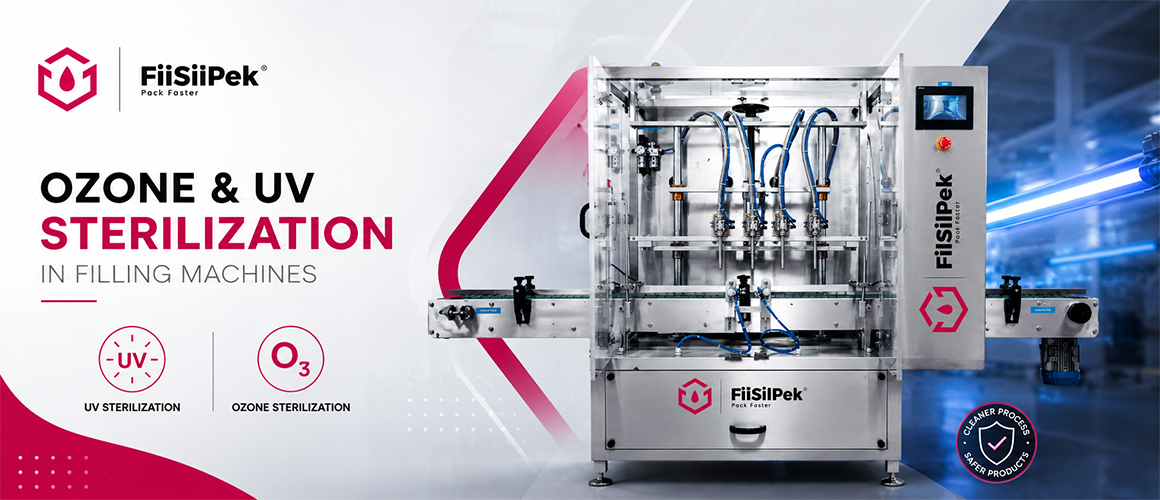
When it comes to keeping your filling machines clean and your products safe, ozone and UV sterilization are two big contenders. But which one is right for you, and what exactly do they do? Let’s break down how these technologies work in filling machines, their pros and cons, and how to use them effectively.
Understanding Ozone and UV Sterilization in Filling Machines
At its core, both ozone and UV sterilization are methods to eliminate microorganisms – like bacteria, viruses, and mold – that could contaminate your products during the filling process. They achieve this through different mechanisms, but the end goal is the same: a cleaner, safer product and a more reliable production line.
The Science Behind the Sterilization
It’s not magic; it’s chemistry and physics. UV sterilization uses specific wavelengths of ultraviolet light, typically UV-C, to damage the DNA and RNA of microorganisms, rendering them unable to reproduce and effectively killing them. Ozone, on the other hand, is a powerful oxidizing agent. When introduced to surfaces or air, it chemically attacks and breaks down the cell walls of microbes, leading to their destruction. Think of it as a highly reactive form of oxygen that essentially ‘rusts’ the microorganisms from the inside out.
Why is Sterilization Crucial in Filling Operations?
The filling process is a critical point where product integrity can be compromised. Even the cleanest ingredients can pick up unwanted guests from the air, surfaces, or even residual product left from previous runs. Contamination can lead to spoilage, affect product quality, and, in the worst-case scenario, pose health risks to consumers. Implementing effective sterilization methods in your filling machines is a proactive step to prevent these issues and maintain high standards of food safety and product shelf life.
The Role of UV Sterilization Equipment in Filling Machines
UV sterilization in filling machines isn’t about shining a regular flashlight on things. It involves specialized equipment designed to emit UV-C light at precise wavelengths and intensities, ensuring effective microbial inactivation. This equipment is often integrated directly into the filling machine or its supporting systems.
How UV Light Works on Microbes
The germicidal impact of UV-C light is well-established. When microorganisms are exposed to this specific light spectrum, the energy absorbed damages their genetic material. This prevents them from carrying out essential biological functions, including replication. It’s a physical process that doesn’t rely on chemicals, making it attractive for industries concerned about residue.
Integrating UV into Filling Machine Design
Manufacturers are designing filling machines with UV sterilization in mind. This can involve UV lamps strategically placed to irradiate filling nozzles, sealing areas, or even the internal pathways where product flows. The design ensures that the UV light reaches all critical surfaces for a sufficient duration to achieve the desired sterilization effect. Some systems also incorporate UV during the packaging material handling stages.
Benefits of UV Sterilization
One of the primary benefits is its non-chemical nature. This means there’s no need for extensive rinsing or concerns about residual chemicals affecting product taste or safety. UV sterilization is also relatively easy to implement and requires minimal operational intervention once installed. It’s a ‘set it and forget it’ type of technology in many cases, though regular maintenance is still key, as we’ll discuss later.
Ozone Sterilization: An Effective Method for Filling Machine Sanitization
Ozone sterilization leverages the potent properties of ozone (O3) to cleanse surfaces and air within filling machines. Generated on-site, ozone is a gas that can penetrate nooks and crannies that might be difficult to reach with other methods.
The Power of Ozone as an Oxidizer
Ozone is a naturally occurring gas, but it’s incredibly reactive. This reactivity is what makes it an effective sterilant. When ozone comes into contact with microorganisms, it initiates a process of oxidation that disrupts their cell structures. It’s a vigorous attack on the microbial cell’s ability to survive and reproduce.
Applications of Ozone in Filling Lines
Ozone can be used in various ways within a filling machine setup. It can be introduced into the atmosphere surrounding the filling heads to sterilize the air, or it can be used as a gas wash to directly contact internal surfaces of the machine. Some systems might even utilize ozone in a water-based solution for more targeted cleaning. The key is delivering the ozone effectively to the areas needing sanitization.
Advantages of Ozone Sterilization
Ozone’s ability to reach every corner makes it a comprehensive sanitizing agent. Unlike some UV applications that require direct line of sight, ozone gas can diffuse into complex geometries. Additionally, ozone naturally decomposes back into oxygen after doing its work, leaving no harmful residues. This makes it a good option for sensitive products or when complete elimination of chemical traces is paramount.
Comparing UV and Ozone Sterilization in Filling Machine Equipment
|
Metrics |
UV Sterilization |
Ozone Sterilization |
|
Sterilization Efficiency |
High |
High |
|
Effectiveness Against Bacteria |
Effective |
Highly Effective |
|
Effectiveness Against Viruses |
Effective |
Highly Effective |
|
Equipment Cost |
Low |
High |
|
Maintenance Cost |
Low |
High |
Both UV and ozone sterilization are valuable tools, but they bring different strengths and weaknesses to the table when it comes to filling machines. Understanding these differences is key to making an informed decision for your specific operation.
Reach and Penetration Capabilities
UV light requires direct line of sight to effectively inactivate microbes. This means that shadowed areas or complex internal geometries within the filling machine might not receive adequate exposure. Ozone, being a gas, can penetrate these hard-to-reach areas more effectively. If your filling machine has intricate pathways or tight spaces, ozone might offer a more thorough sanitization.
Speed and Efficacy on Different Microbes
The speed at which both methods work can vary depending on intensity, concentration, and the specific type of microorganism. Generally, both are very effective when applied correctly. However, some studies suggest that certain types of bacteria might be more susceptible to one method over the other. It’s always wise to consider the specific microbial challenges you face in your production environment.
Infrastructure and Operational Considerations
UV systems often involve installing lamps and power supplies. Once set up, they generally require low maintenance, primarily bulb replacement at intervals. Ozone generation requires equipment to produce ozone and a delivery system. It also necessitates careful handling due to ozone’s reactivity, and proper ventilation to manage residual ozone after the cycle. The initial investment and ongoing operational complexity can differ significantly.
Residuals and Product Compatibility
A major advantage of UV is its complete lack of chemical residuals; there’s nothing left behind. Ozone, while it breaks down into oxygen, does so over time. For extremely sensitive products, the residual time of ozone needs to be considered, or methods to accelerate its decomposition might be necessary. This is less of a concern for many food and beverage products, but it’s a factor for very delicate pharmaceuticals or certain cosmetics.
Implementing UV Sterilization for Enhanced Filling Machine Hygiene
Integrating UV sterilization into your filling machine operation is a strategic move to elevate your hygiene standards. It’s not just about installing a light; it’s about a thoughtful integration that maximizes its effectiveness.
Strategic Placement of UV Lamps
The effectiveness of UV sterilization hinges on where the lamps are placed. For filling machines, this often means positioning them to irradiate the filling nozzles, the sealing head, or any component that directly contacts the product or packaging. Some advanced systems might even have UV treatment for incoming containers or caps. The goal is to hit all critical microbial touchpoints.
Designing for UV Exposure Time
Simply exposing a surface to UV light isn’t enough; it needs to be exposed for a sufficient duration and at an adequate intensity. Filling machine designs that incorporate UV will factor in the dwell time of components under the UV light or ensure continuous exposure during specific operational cycles. This ensures that the UV dose is sufficient to achieve inactivation.
Monitoring and Validation of UV Systems
To ensure your UV sterilization is working as intended, it’s important to implement monitoring and validation procedures. This might involve using UV intensity meters to check the output of the lamps or employing microbial testing on surfaces before and after UV treatment to confirm its efficacy. Regular validation builds confidence in the system’s performance.
Advantages and Disadvantages of Ozone Sterilization in Filling Machine Equipment
Ozone sterilization offers a powerful way to clean filling machines, but like any technology, it comes with its own set of pros and cons.
Advantages of Ozone Sterilization
- Broad-Spectrum Efficacy: Ozone is effective against a wide range of microorganisms, including bacteria, viruses, spores, and mold.
- Penetration: As a gas, ozone can reach areas that are difficult to access with UV light or physical cleaning methods, such as internal pipework, valves, and complex geometries.
- No Chemical Residue (Eventually): Ozone breaks down into oxygen, leaving no harmful chemical residues behind once it has had sufficient time to dissipate. This is advantageous for food and beverage applications.
- Air and Surface Treatment: Ozone can be used to sterilize both surfaces and the surrounding air, providing a more comprehensive sanitization environment.
- On-Demand Generation: Ozone is typically generated on-site as needed, which can reduce storage and transportation issues associated with some chemical sanitizers.
Disadvantages of Ozone Sterilization
- Material Compatibility Issues: Ozone is a strong oxidizer and can degrade certain materials over time. It’s crucial to ensure that all components within the filling machine that will be exposed to ozone are compatible. This includes seals, plastics, and certain metals.
- Ozone Toxicity: Ozone is harmful to human respiratory systems at concentrations used for sterilization. Proper ventilation and personal protective equipment are essential during and immediately after ozone cycles.
- Residual Ozone Management: While ozone breaks down, managing residual ozone levels before production resumes is important. This often involves a waiting period or active degassing to bring ozone levels back to safe and acceptable limits.
- Initial Investment and Complexity: Ozone generation and delivery systems can involve a significant initial investment and may require more specialized training for operation and maintenance compared to simpler UV systems.
- Corrosion Potential: In high concentrations and prolonged exposure, ozone can be corrosive to some metals, necessitating careful material selection and monitoring.
Best Practices for Maintaining UV Sterilization Equipment in Filling Machines
To ensure your UV sterilization system continues to perform at its peak and effectively guards against contamination, a strong maintenance plan is essential. It’s not just about replacing parts; it’s about proactive care.
Regular Cleaning of UV Lamps
Even in a production environment, dust and debris can accumulate on UV lamps. This can act as a shield, blocking the UV-C light from reaching the surfaces that need sterilization. Develop a routine for gently cleaning the lamps with a soft, lint-free cloth and an appropriate, non-abrasive cleaner. Always ensure the lamps are cool before cleaning and follow manufacturer recommendations.
Monitoring UV Lamp Output
UV lamps degrade over time, meaning their output of germicidal UV-C light decreases. It’s not always visually apparent that a lamp is weakening. Implementing a schedule to monitor UV intensity using a calibrated UV meter is a best practice. This allows you to proactively replace lamps before they fall below the effective sterilization threshold.
Checking and Replacing Ballasts and Fittings
The components that power and house the UV lamps, such as ballasts and fittings, can also age and fail. Regular visual inspections for any signs of wear, corrosion, or damage are important. If a lamp flickers or doesn’t turn on, it’s often a sign that the ballast or other electrical components may need attention or replacement.
Environmental Controls and Protection
The environment in which your UV sterilization equipment operates can impact its lifespan and effectiveness. High humidity, extreme temperatures, or corrosive atmospheres can all take a toll. Ensure the equipment is protected from these elements where possible, and consider their impact when planning maintenance schedules. Keeping the surrounding area clean also contributes to the overall hygiene of the filling equipment.
By understanding and implementing these practices, you can maximize the benefits of your UV sterilization system, ensuring consistent and reliable hygiene for your filling machines and the products they process.
FAQs
What is ozone sterilization and how does it work in filling machines?
Ozone sterilization is a method of disinfection that utilizes ozone gas to kill bacteria, viruses, and other microorganisms. In filling machines, ozone is introduced into the system to sanitize surfaces and packaging materials, ensuring the cleanliness of the product.
How does UV sterilization equipment contribute to filling machine hygiene?
UV sterilization equipment uses ultraviolet light to destroy the DNA of microorganisms, preventing them from reproducing and causing contamination. When integrated into filling machines, UV sterilization equipment helps maintain a high level of hygiene by effectively eliminating harmful pathogens.
What are the advantages and disadvantages of ozone sterilization in filling machine equipment?
Advantages of ozone sterilization include its powerful disinfection properties, ability to reach inaccessible areas, and minimal chemical residue. However, disadvantages may include potential safety concerns and the need for proper ventilation due to the release of ozone gas.
What are the best practices for maintaining UV sterilization equipment in filling machines?
Best practices for maintaining UV sterilization equipment in filling machines include regular cleaning and inspection of the UV lamps, ensuring proper calibration and exposure time, and following manufacturer guidelines for maintenance and replacement of components.
How does ozone sterilization compare to UV sterilization in filling machine equipment?
Ozone sterilization and UV sterilization both offer effective methods for sanitizing filling machines, but they differ in their mechanisms of action and application. Ozone sterilization reaches areas that UV light may not, but UV sterilization does not involve the use of chemicals or gas, making it a safer option in certain environments.
Preparing for GS1 Sunrise 2027 and 2D barcodes
Getting ready for GS1 Sunrise 2027 and the shift to 2D barcodes is really about future-proofing…..

Edge computing & real time quality checks
You’ve probably heard of “edge computing” and maybe wondered what it actually means for things …..
Digital twins for filling line simulation
The manufacturing landscape is in a constant state of evolution, driven by the relentless pursuit…..
Contact Us
Address
B-603, SHALIN SQUARE HATHIJAN CIRCLE VATVA G.I.D.C ROAD, VINZOL,AHMEDABAD-382445 GUJARAT
Contact
+91 90542 94961
Inquiry Form
Contact Us
Address
B-603, SHALIN SQUARE HATHIJAN CIRCLE VATVA G.I.D.C ROAD, VINZOL,AHMEDABAD-382445 GUJARAT
Contact
+91 90542 94961
Inquiry Form