Designing powder filling lines for nutraceuticals & herbal supplements
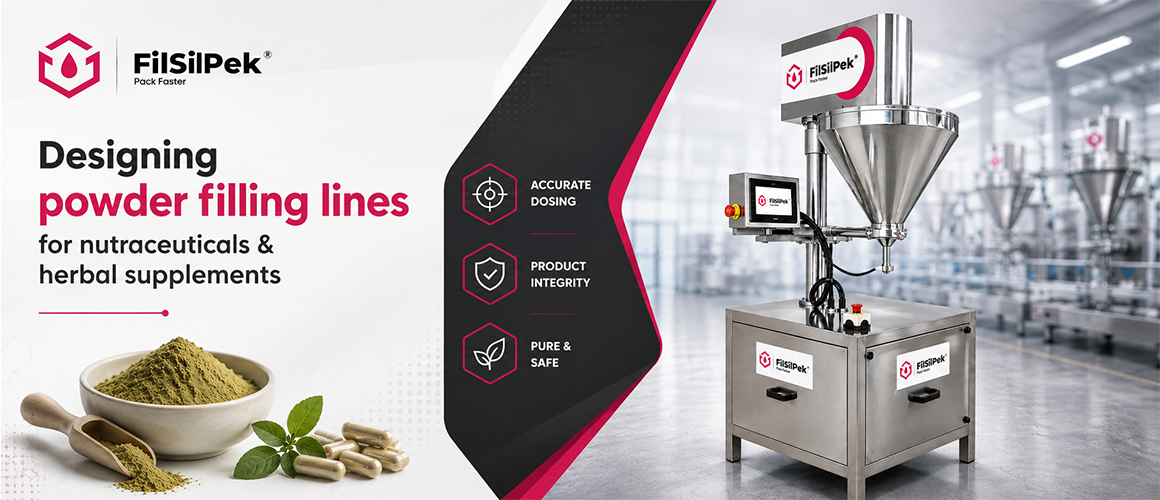
Getting your nutraceutical or herbal supplement powders into their final packaging efficiently and accurately is a pretty big deal. The core question you’re probably wrestling with is how to design a powder filling line that actually works well for these types of products. The short answer? It’s all about understanding the unique properties of your powders and matching them with the right equipment and process design. You’re not just filling a container; you’re preserving the efficacy and integrity of what’s inside.
Why Nutraceuticals and Herbal Supplements Need Special Attention
Nutraceutical and herbal supplement powders aren’t like your average bulk ingredients. They often have very specific characteristics that demand a more thoughtful approach to filling. Ignoring these nuances can lead to a host of problems, from inaccurate dosing to product degradation and even safety concerns.
The Nature of the Beast: Powder Characteristics Matter
When we talk about nutraceutical and herbal powders, the first thing that comes to mind is their physical properties. Are they fine and dusty, or more granular? Do they clump easily, especially in humid conditions? How do they flow – are they free-flowing, or do they tend to bridge and create blockages? These aren’t minor details; they directly impact how easily and consistently a powder can be filled. A very fine, dusty powder will require different handling and equipment than a coarser, less cohesive one.
Purity and Potency: Keeping What Counts
Unlike some other industries where a little variation might be acceptable, with supplements, precision is paramount. Each dose needs to contain the intended amount of active ingredient. This means your filling process needs to be exceptionally accurate. Furthermore, many nutraceutical and herbal ingredients are sensitive to heat, light, and air. Oxidation, degradation, or loss of potency are real risks if your filling line isn’t designed with these sensitivities in mind. This might involve specialized hoppers, controlled environments, and specific material handling techniques.
Regulatory Minefield: Staying on the Right Side of Things
The supplement industry is, understandably, a heavily regulated one. Your filling line needs to be designed not only for efficiency and accuracy but also to comply with good manufacturing practices (GMPs). This involves considerations around sanitation, traceability, and the prevention of cross-contamination. Ensuring your equipment is easy to clean and maintain is a critical part of this.
Designing for Success: Key Considerations for Efficient Filling
So, you understand the unique demands of your powders. Now, let’s talk about how to translate that understanding into a functional and efficient filling line. It’s about making smart choices early on that will save you headaches and lost product down the line.
The Heart of the Operation: Choosing the Right Filling Technology
This is arguably the most crucial decision. There are several types of powder filling technologies, and the best choice depends heavily on your powder’s properties and your production volume.
Auger Fillers: The Workhorse for Many Powders
Auger fillers are incredibly common for a reason. They use a rotating screw (auger) to dispense a measured volume or weight of powder. They are versatile and can handle a wide range of powders, from fine to granular. The key is selecting the right auger design and speed for your specific product. A poorly matched auger can lead to inconsistent fills, product shearing, or even compaction.
Volumetric vs. Gravimetric Filling: What’s Best for You?
Within the auger filler category, or for other technologies, you’ll encounter volumetric and gravimetric (weight-based) filling. Volumetric fillers measure by volume, which can be problematic if powder density fluctuates. Gravimetric fillers, which use a load cell or checkweigher, are generally more accurate as they measure by weight, a more consistent parameter for powders. For high-value supplements where precise dosing is critical, gravimetric filling is often the preferred choice.
Impulse and Vibratory Fillers: For Specific Applications
Other technologies exist too. Impulse fillers are good for very fine, free-flowing powders and can offer high speeds. Vibratory feeders, often used in conjunction with other systems, can help regulate the flow of powders that might otherwise bridge or not discharge smoothly.
Feeding the Beast: Ensuring Consistent Powder Delivery
Even the best filling machine will struggle if the powder isn’t delivered to it consistently. Bridging, dusting, and poor flowability are common enemies of smooth powder feeding.
Hopper Design and Agitation: Preventing Sticking Points
The design of your product hopper is more important than you might think. It needs to facilitate a steady flow of powder without creating dead zones where product can sit and potentially degrade. Agitation systems within the hopper can help break up clumps and promote movement towards the filling mechanism. However, too much agitation can also cause dusting or wear down delicate herbal ingredients. Finding the right balance is key.
Dust Control and Containment: A Healthier, Cleaner Line
If your powders are prone to dusting, you need to incorporate dust collection systems from the outset. This isn’t just about keeping your facility clean; it’s about worker safety and product loss. Fine powders can be a respiratory hazard and, if they escape, represent lost product value. Enclosures around filling stations and integrated vacuum systems are essential.
Optimizing the Flow: Finer Points for Herbal Powders
Herbal supplements often come with their own set of challenges. Their particle size distribution can vary wildly depending on the herb and how it’s processed. Some might be ground very fine, others might retain some texture.
Gentle Handling: Preserving Active Compounds
Many active compounds in herbal supplements are delicate. Processes that involve excessive vibration or high-speed agitation can break down these compounds, reducing their efficacy. The filling equipment should be chosen and set up to handle the powder as gently as possible. This might mean slower auger speeds or specialized discharge mechanisms.
Moisture Management: The Silent Saboteur
Herbal powders can be hygroscopic, meaning they readily absorb moisture from the air. This can lead to clumping, reduced flowability, and even microbial growth. If your area has high humidity, or if your product is particularly sensitive, you might need to consider humidity-controlled filling environments or the use of desiccants within your packaging. Ensuring your filling line materials are non-reactive and easy to dry is also important.
Material Compatibility: Avoiding Unwanted Reactions
The materials used in your filling line are important, especially with potentially reactive herbal compounds. Stainless steel is generally the go-to for its durability and cleanability, but you should ensure it’s the right grade and that no other materials will interact negatively with your product. This is where consulting with equipment manufacturers and understanding your product’s specific chemistry is vital.
The Quality Imperative: Accuracy and Traceability
At the end of the day, for nutraceuticals and herbal supplements, quality isn’t negotiable. Customers are relying on these products for their health, and regulatory bodies are watching closely. Your filling line must reflect this commitment to quality.
Precise Dosing: The Foundation of Efficacy
We’ve touched on this, but it bears repeating. Consistent, accurate dosing is the sine qua non of supplement filling. This means investing in fillers that can achieve very tight tolerances. Regular calibration of your filling equipment is a non-negotiable maintenance task. You also need robust quality control checks in place, often using in-line checkweighers or regular sampling and hand-weighing.
Preventing Contamination: Keeping Things Pure
Cross-contamination is a significant concern, especially if you produce multiple types of supplements. Your filling line needs to be designed for easy and thorough cleaning between batches. Think about quick-release components, smooth surfaces with minimal crevices, and validated cleaning procedures. If you handle allergen-containing powders, dedicated lines or extremely rigorous cleaning protocols are essential.
Traceability: Knowing What Went Where
In today’s manufacturing landscape, traceability is crucial. Your filling line, along with the rest of your production process, should be integrated into a system that allows you to track every batch of product. This includes recording fill weights, batch numbers, and any relevant process parameters. This is vital for recalls, quality investigations, and regulatory compliance.
Supercharging Production: Advanced Technologies
For businesses aiming for higher throughput or facing particularly challenging powders, advanced filling technologies can be a game-changer. These aren’t just about speed, but about smarter, more controlled filling.
Servo-Driven Fillers: Precision and Flexibility
Servo motors have revolutionized filling equipment. They offer incredible precision in controlling the movement of the auger or other dispensing mechanisms. This allows for very fine adjustments to fill weight and can improve product handling by enabling controlled acceleration and deceleration. Servo-driven systems also offer greater flexibility, allowing you to easily switch between different product types or lot sizes with programmable settings.
Integrated Vision Systems: Quality Control on the Fly
Some advanced lines incorporate vision systems. These camera-based systems can inspect containers before filling, check fill levels, and even verify label placement. While this might seem like overkill for basic powder filling, for high-value or highly regulated products, it adds an extra layer of automated quality assurance, catching errors before they leave the line.
Automated Handling and Integration: The Seamless Factory
Beyond the filler itself, consider how the entire line is automated. Automated infeed and outfeed systems, robotic integration for case packing, and seamless communication between different machines can dramatically improve efficiency and reduce manual touchpoints, which also minimizes opportunities for error and contamination.
Navigating the Hurdles: Overcoming Design Challenges
Designing a powder filling line isn’t always straightforward. There are common pitfalls that can trip up even experienced manufacturers. Being aware of them is the first step to avoiding them.
Bridging and Flow Issues: The Persistent Nuisance
This is probably the most common and frustrating challenge. Powders that stick together or refuse to flow out of the hopper can halt production instantly. Solutions often involve a combination of hopper design, agitation, and sometimes even specialized vibratory feeders or air vibrators to keep the product moving. Sometimes, modifying the powder itself, perhaps with flow agents (if permissible for your product), is an option.
Dusting and Containment: The Slippery Slope
As mentioned earlier, dust is a problem for health, safety, and product loss. Designing with effective dust extraction and containment from the start is crucial. This involves well-sealed filling heads, integrated vacuum systems, and potentially enclosed filling stations. Don’t just hope for the best; plan for the worst-case dust scenario.
Achieving High Accuracy and Consistency: The Never-Ending Quest
Even with the best technology, achieving consistent fill weights requires ongoing attention. Factors like ambient humidity, powder settling in the hopper, and wear on the filling mechanism can all introduce variability. Regular calibration, maintenance, and a good understanding of your product’s behavior are your allies here.
Cleaning and Changeover Efficiencies: Keeping Downtime Low
If you run multiple products, the time and effort required for cleaning and changeovers can eat into your production capacity. Designing for easy disassembly, access for cleaning, and quick adjustments for different container sizes and fill weights will pay dividends. Look for tools-free changeover where possible.
The Future is Now: Innovations on the Horizon
The equipment manufacturers are constantly innovating, bringing new solutions to the table that can benefit nutraceutical and herbal supplement producers.
Smarter Sensors and Controls: Real-time Optimization
Modern filling lines are increasingly equipped with advanced sensors and control systems. These allow for real-time monitoring of fill weights, powder flow rates, and machine performance. This data can be used to automatically adjust fill parameters on the fly, ensuring consistent quality and minimizing product giveaway.
Improved Augers and Dispensing Mechanisms: Finer Tuning
New designs in auger tooling and other dispensing mechanisms are emerging. These focus on gentler product handling, more precise volumetric control, and reduced product shearing. This is particularly beneficial for delicate or fragile powders.
Enhanced Sanitation and Sterilization Technologies: Meeting Evolving Standards
As regulatory standards evolve and consumer expectations rise, equipment manufacturers are developing lines with enhanced sanitation features. This includes more effective clean-in-place (CIP) systems and materials that are inherently more resistant to microbial growth. The focus is on making cleaning faster, more thorough, and more verifiable.
Ultimately, designing a powder filling line for nutraceuticals and herbal supplements is a multifaceted process. It demands a deep understanding of your specific powders, a careful selection of appropriate technology, and a commitment to quality at every step. By focusing on these core principles and staying informed about emerging innovations, you can create a robust and efficient filling solution that sets your products up for success.
FAQs
- What are the unique requirements for designing powder filling lines for nutraceuticals and herbal supplements?
Nutraceutical and herbal supplement powder filling lines require special consideration for factors such as product integrity, accuracy, and cleanliness to meet regulatory standards and ensure product quality.
- What are the key considerations for designing efficient powder filling lines for nutraceuticals?
Key considerations for designing efficient powder filling lines for nutraceuticals include equipment compatibility with different types of powders, precision dosing capabilities, ease of cleaning for product changeovers, and adherence to Good Manufacturing Practices (GMP).
- How can the filling process for herbal supplement powders be optimized?
The filling process for herbal supplement powders can be optimized by utilizing advanced filling technology such as weight-based filling systems, dust containment features, and automated controls to minimize product loss and ensure accurate fills.
- How can quality and accuracy be ensured in nutraceutical powder filling lines?
Quality and accuracy in nutraceutical powder filling lines can be ensured through the use of precision filling equipment, regular equipment maintenance, validation of filling processes, and adherence to regulatory requirements.
- What are the challenges in designing nutraceutical powder filling lines and what innovations are available to overcome them?
Challenges in designing nutraceutical powder filling lines include handling different powder characteristics, maintaining product integrity, and meeting regulatory standards. Innovations such as advanced powder filling equipment with customizable features, integrated quality control systems, and automated cleaning processes can help overcome these challenges and streamline production.

Digitalization & Industry 4.0 integration for real time data monitorin
Digitalization and Industry 4.0 integration are fundamentally changing how we monitor data in…..

Enhancing operator training with augmented reality support
So, can augmented reality actually make operator training better? The short answer is a…..
Ozone and UV sterilization in filling machines
When it comes to keeping your filling machines clean and your products safe, ozone and UV…..
Contact Us
Address
B-603, SHALIN SQUARE HATHIJAN CIRCLE VATVA G.I.D.C ROAD, VINZOL,AHMEDABAD-382445 GUJARAT
Contact
+91 90542 94961
Inquiry Form
Contact Us
Address
B-603, SHALIN SQUARE HATHIJAN CIRCLE VATVA G.I.D.C ROAD, VINZOL,AHMEDABAD-382445 GUJARAT
Contact
+91 90542 94961
Inquiry Form
Contact Us
Address
B-603, SHALIN SQUARE HATHIJAN CIRCLE VATVA G.I.D.C ROAD, VINZOL,AHMEDABAD-382445 GUJARAT
Contact
+91 90542 94961
Inquiry Form