Integrating blockchain for full traceability in food & chemical packaging
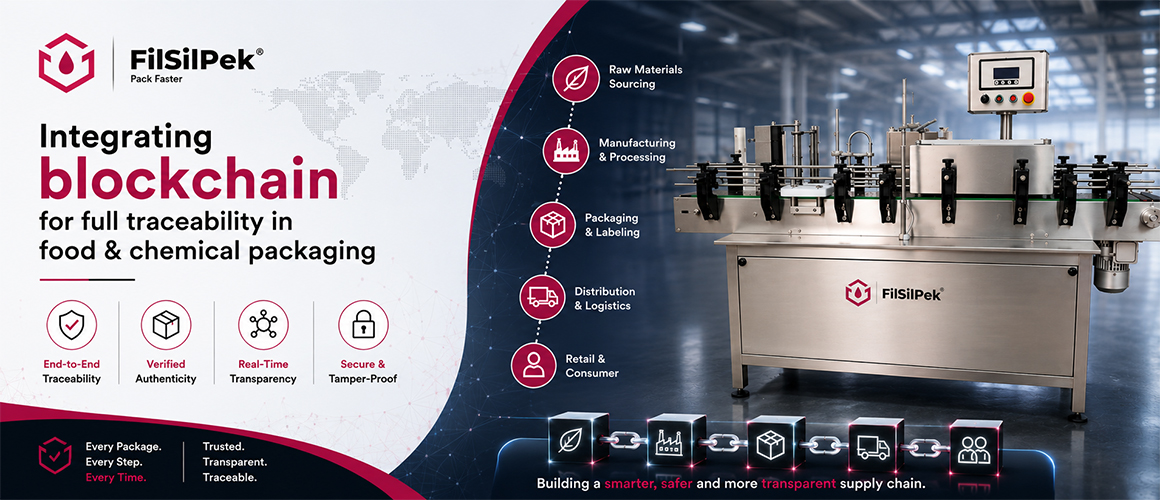
Integrating blockchain into food and chemical packaging isn’t just a techy buzzword; it’s a practical step towards knowing exactly where your products come from, where they’ve been, and what’s happened to them. This means creating a complete, tamper-proof record of every step a product takes, from raw materials to your hands. It’s about building trust and significantly reducing risks for both consumers and businesses.
Why Full Traceability Matters, Especially in Food and Chemical Packaging
When you pick up a bag of chips or a bottle of cleaning solution, you’re generally trusting that it’s safe and legitimate. In the absence of full traceability, that trust is often based on assumption rather than verifiable facts. For food, this can mean anything from identifying the source of a contamination outbreak quickly to proving organic claims. For chemicals, it’s about preventing counterfeits, ensuring proper handling, and adhering to strict regulatory requirements. Without a clear trail, pinpointing the origin of issues becomes a costly, time-consuming nightmare, or sometimes even impossible.
Food Safety and Quality Assurance
Imagine a food recall. Without full traceability, the entire batch, or even an entire production run, might need to be pulled off shelves. With granular data, only the affected items can be identified and removed, saving money and reducing waste. It also helps verify claims like “Dolphin-Safe Tuna” or “Fair Trade” by providing an immutable record of production and sourcing.
Chemical Integrity and Regulatory Compliance
In the chemical industry, the stakes are even higher. Contaminated or counterfeit chemicals can have devastating environmental or health consequences. Full traceability helps confirm the purity and accurate composition of substances, essential for high-tech manufacturing, pharmaceuticals, and even basic household products. Regulators are increasingly demanding more transparency, and blockchain offers a robust way to meet those evolving requirements.
How Blockchain Enhances Transparency and Accountability
At its core, blockchain creates a shared, unchangeable record of transactions, or in this case, supply chain events. Each “block” of information – a new batch of ingredients, a packaging date, a temperature reading during transit – is linked to the previous one, forming a secure chain. This makes it incredibly difficult to alter data without detection, bolstering trust among all parties involved.
Immutable Records for Every Step
Every time a product moves, is processed, or undergoes a quality check, that information can be added as a new block on the blockchain. This could include things like the farm where produce was grown, the factory where a chemical was blended, the date it was packaged, the lot number, storage temperatures, and even the hands it passed through during shipment. This record is virtually impossible to corrupt or change after the fact.
Shared Ledger for All Stakeholders
Instead of each company in the supply chain keeping its own separate, often incompatible, records, blockchain provides a single, shared source of truth. Farmers, processors, packaging companies, distributors, retailers, and even regulators can all access relevant information on the blockchain, depending on their granted permissions. This eliminates misinformation and disputes over data.
Smart Contracts for Automated Accountability
Blockchain isn’t just for recording facts; it can also automate actions. Smart contracts are self-executing agreements coded directly onto the blockchain. For example, a smart contract could automatically release payment to a supplier once a shipment is verified as received and within specified temperature ranges, as recorded on the blockchain. This reduces delays and human error in contracts.
Leveraging Blockchain for Improved Traceability in Packaging
Applying blockchain to packaging isn’t just about the product inside the package; it’s also about the packaging itself. From the source of the materials used in the container to the printing of labels, every aspect can be tracked, which adds another layer of security and verification.
Tracking Packaging Materials and Components
Where did that plastic film come from? Is it food-grade certified? Is that aluminum recyclable? Blockchain can track the origin and certifications of all packaging components – resins, inks, adhesives, and even recycled content. This is crucial for sustainability claims and ensuring compliance with packaging material regulations.
Verifying Authenticity and Preventing Counterfeits
Counterfeiting is a huge problem, especially for high-value foods like fine wines or specific chemical compounds. By integrating unique identifiers (like QR codes or NFC tags) with blockchain, consumers and businesses can scan a package and instantly verify its authenticity directly from the source. This significantly complicates the efforts of counterfeiters.
Enhancing Supply Chain Visibility
With blockchain, visibility isn’t just about knowing where something is; it’s about knowing everything about its journey. If a package of frozen goods gets held up at customs, or if a chemical shipment faces unexpected delays due to a natural disaster, the entire supply chain can see and react to this information in near real-time, helping to mitigate disruptions.
Implementing Blockchain for Enhanced Supply Chain Traceability
|
Metrics |
Value |
|
Improved Transparency |
Yes |
|
Reduced Counterfeiting |
20% |
|
Enhanced Product Authentication |
95% |
|
Supply Chain Efficiency |
10-15% |
Rolling out a blockchain system isn’t something you do overnight. It requires careful planning, collaboration, and a clear understanding of the technology’s capabilities and limitations. It’s an investment that needs to be approached systematically.
Identifying Key Data Points and Participants
Before you even think about the tech, you need to map out your current supply chain. What information is critical to track? Who are all the players involved – from raw material suppliers to end-users? What data does each participant generate, and what data do they need to access? This discovery phase is extremely important for designing an effective blockchain solution.
Choosing the Right Blockchain Platform
There are many blockchain platforms available, each with different strengths. Some are public and permissionless (like Bitcoin or Ethereum), while others are private and permissioned (like Hyperledger Fabric or VeChain). For supply chain traceability, permissioned blockchains are often preferred because they allow companies to control who can access and add data, which is vital for competitive advantage and data privacy.
Integrating with Existing Systems
Most businesses already have enterprise resource planning (ERP) systems, warehouse management systems (WMS), and other operational software. A new blockchain solution needs to integrate seamlessly with these existing platforms to avoid creating duplicate work or data silos. APIs (Application Programming Interfaces) play a crucial role in connecting these systems.
Pilot Programs and Phased Rollouts
Trying to implement blockchain across your entire supply chain all at once is rarely successful. It’s far more practical to start with a pilot program involving a limited number of products, suppliers, or a specific segment of the supply chain. This allows you to test the technology, identify pain points, and refine processes before scaling up.
Overcoming Challenges and Barriers in Implementing Blockchain
While blockchain offers tremendous potential, it’s not a silver bullet. There are practical hurdles that need to be addressed for successful implementation. These challenges range from technical complexities to human resistance to change.
Data Standardization and Interoperability
One of the biggest headaches is getting everyone in the supply chain to agree on how data should be formatted and recorded. Different companies use different systems and terminology. Establishing common data standards and ensuring interoperability between various blockchain networks (if different participants use different ones) is paramount. Without this, the concept of a “shared truth” breaks down.
Initial Costs and Return on Investment (ROI)
Setting up a blockchain solution involves significant upfront investment in technology, software development, training, and potentially new hardware. Companies need a clear business case and a strong understanding of the potential ROI – quantified through reduced waste, faster recalls, improved brand reputation, or increased consumer trust – to justify these costs.
Adoption and Collaboration Across the Supply Chain
Blockchain is only as strong as its weakest link. If key participants in the supply chain aren’t willing or able to adopt the technology, the full benefits won’t be realized. This often requires engaging with suppliers, distributors, and even regulators to explain the benefits and facilitate their participation. Incentives and clear communication are key here.
Data Privacy and Confidentiality Concerns
While blockchain offers transparency, businesses also have legitimate concerns about sharing proprietary data. Permissioned blockchains address this by allowing companies to control who sees what information. Careful design of access controls and robust data encryption are essential to balance transparency with privacy needs. Legal frameworks around data sharing also need to be navigated carefully.
Implementing blockchain for full traceability in food and chemical packaging is a journey, not a sprint. It demands strategic thinking, collaborative effort, and a commitment to leveraging technology for a more secure, transparent, and trustworthy supply chain. The benefits, however, in terms of safety, efficiency, and consumer confidence, make it a journey well worth taking.
FAQs
What is the importance of full traceability in food and chemical packaging?
Full traceability in food and chemical packaging is crucial for ensuring the safety and quality of products. It allows for the tracking of ingredients and materials throughout the supply chain, enabling quick and efficient identification of any issues or contaminants. This transparency helps to protect consumers and build trust in the products.
How does blockchain technology enhance transparency and accountability in the supply chain?
Blockchain technology provides a decentralized and immutable ledger that records every transaction and movement of products within the supply chain. This transparency and accountability help to prevent fraud, counterfeiting, and unauthorized changes to data. It also allows for real-time visibility into the status and location of products.
What are the advantages of integrating blockchain for supply chain traceability in packaging?
Integrating blockchain for supply chain traceability in packaging offers numerous advantages, including improved transparency, enhanced security, reduced risk of contamination, faster response to recalls, and increased consumer confidence. It also streamlines processes and reduces administrative costs.
What are the challenges and barriers in implementing blockchain for full traceability in food and chemical packaging?
Challenges and barriers in implementing blockchain for full traceability in food and chemical packaging include the initial investment in technology, interoperability with existing systems, standardization of data formats, and the need for collaboration among supply chain partners. Additionally, there may be resistance to change and concerns about data privacy and security.
How does blockchain technology ensure full traceability in food and chemical packaging?
Blockchain technology ensures full traceability in food and chemical packaging by creating a tamper-proof record of every transaction and movement of products. This allows for the verification of the origin, authenticity, and journey of products from the source to the end consumer, providing a comprehensive and reliable traceability system.
Reducing water usage in cleaning and CIP systems
Water is a precious resource, and using less of it in our cleaning and Clean-in-Place (CIP) systems isn’t just “nice to have”—it’s becoming essential…..
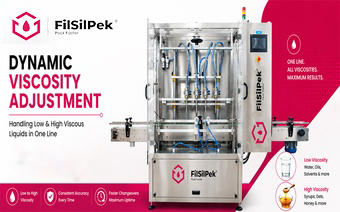
Dynamic viscosity adjustment: handling low and high viscous liquids in one line
Dealing with liquids of wildly different thicknesses on the same production line might seem like…..
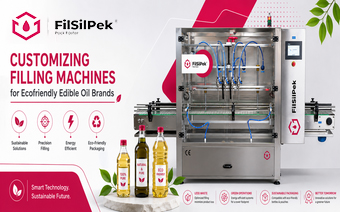
Customizing filling machines for ecofriendly edible oil brands
So, you’ve got a fantastic eco-friendly edible oil brand, you’re committed to sustainability, and…..
Contact Us
Address
B-603, SHALIN SQUARE HATHIJAN CIRCLE VATVA G.I.D.C ROAD, VINZOL,AHMEDABAD-382445 GUJARAT
Contact
+91 90542 94961
Inquiry Form
Contact Us
Address
B-603, SHALIN SQUARE HATHIJAN CIRCLE VATVA G.I.D.C ROAD, VINZOL,AHMEDABAD-382445 GUJARAT
Contact
+91 90542 94961
Inquiry Form