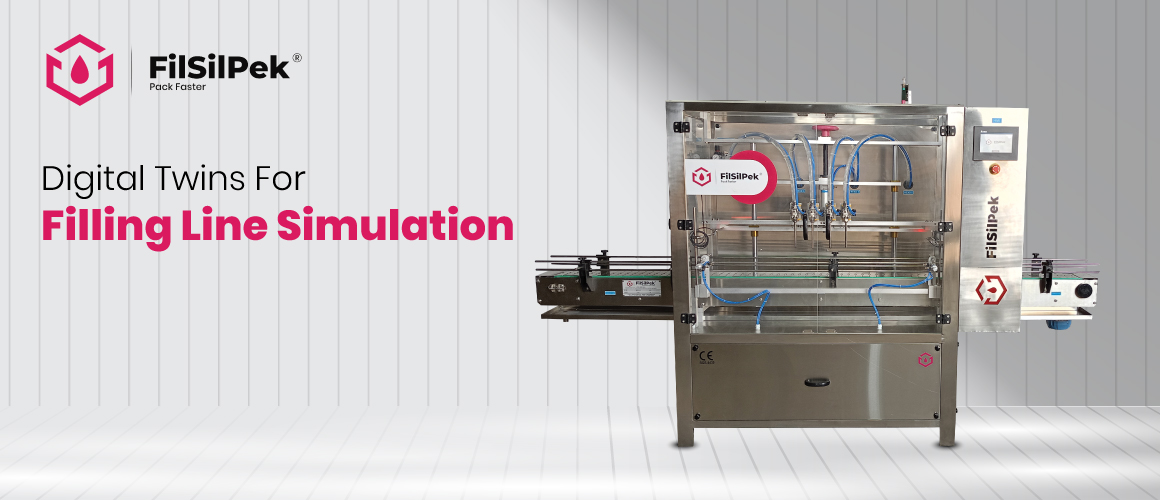
Digital twins for filling line simulation
The manufacturing landscape is in a constant state of evolution, driven by the relentless pursuit of efficiency, agility, and reduced operational costs. Within this dynamic environment, the concept of “digital twins” has emerged as a transformative technology, particularly for complex operational systems like filling lines. These lines, responsible for the precise packaging of a myriad of products in industries ranging from food and beverage to pharmaceuticals and chemicals, are critical to production throughput and product integrity. Understanding how digital twins can revolutionize their simulation is paramount for organizations seeking to stay at the forefront of industrial innovation.
Understanding the Concept of Digital Twins in Filling Line Simulation
At its core, a digital twin is a virtual replica of a physical asset, process, or system. In the context of filling line simulation, this means creating an exact digital counterpart of the entire filling line, encompassing every component – from individual sensors and actuators to conveyors, filling machines, capping stations, labeling machines, and even the broader environmental conditions. This virtual model is not a static design; rather, it is dynamically connected to its physical counterpart through real-time data streams. Sensors on the physical filling line continuously feed information about its operational status, performance metrics, and environmental factors into the digital twin. This continuous flow of data allows the digital twin to reflect the current state of the physical system with high fidelity.
The Anatomy of a Filling Line Digital Twin
A functional digital twin for a filling line is more than just a 3D model. It incorporates several key layers.
Data Integration and Real-time Connectivity
The foundation of any robust digital twin is its ability to ingest and process vast amounts of data from the physical world. This involves a sophisticated network of sensors, IoT devices, and communication protocols that capture parameters such as speed, temperature, pressure, fill levels, product flow rates, reject rates, energy consumption, and even the health status of individual machines. This real-time data is then synchronized with the digital model, ensuring that the virtual environment accurately mirrors the physical one at any given moment.
Behavioral Modeling and Physics Engines
Beyond mere data mirroring, a digital twin of a filling line needs to simulate the dynamic behavior of its components and the products themselves. This often involves the integration of advanced physics engines and sophisticated behavioral models. These models dictate how different elements interact – how a bottle moves along a conveyor, how the filling nozzle dispenses liquid, how a cap is applied, and how these actions are affected by factors like product viscosity or ambient temperature. This allows for the prediction of outcomes under various scenarios.
Predictive Analytics and Machine Learning
The true power of a digital twin lies in its ability to go beyond simply reflecting the present. By leveraging machine learning algorithms and predictive analytics, the digital twin can analyze historical and real-time data to identify patterns, anomalies, and potential future events. This enables proactive decision-making, moving from reactive problem-solving to predictive maintenance and optimization.
Benefits of Using Digital Twins for Filling Line Simulation
The integration of digital twin technology into filling line simulation offers a compelling suite of advantages, fundamentally altering how these critical production assets are understood, managed, and improved. The ability to test, analyze, and optimize in a virtual environment before implementing changes in the physical world translates directly into tangible benefits.
Enhanced Performance and Throughput Optimization
One of the most significant advantages is the ability to fine-tune the filling line’s performance for maximum throughput. By simulating different operational parameters, such as conveyor speeds, filling rates, and capping torque, engineers can identify the optimal settings that maximize efficiency without compromising quality or causing bottlenecks. This iterative process of testing and refinement in the digital realm significantly reduces the time and resources required to achieve peak performance compared to traditional on-site adjustments.
Improved Quality Control and Reduced Waste
Digital twins enable a deeper understanding of how variations in process parameters affect product quality. By simulating different fill volumes, capping pressures, or sterilization temperatures, manufacturers can identify the precise conditions that ensure product integrity and consistency. Furthermore, the ability to predict and prevent potential issues, such as over-filling or under-capping, directly leads to a reduction in product waste and returned goods, ultimately improving profitability.
Reduced Risk of Downtime and Improved Maintenance Strategies
Predictive maintenance is a cornerstone of digital twin benefits. By analyzing real-time data and historical performance, the digital twin can forecast when a component is likely to fail. This allows for scheduled maintenance during planned downtime, preventing unexpected breakdowns that can cripple production. This proactive approach not only minimizes lost output but also reduces the cost associated with emergency repairs and extends the lifespan of critical equipment.
Accelerated Commissioning and Troubleshooting
Introducing new lines or making significant modifications to existing ones can be a lengthy and complex process. Digital twins allow for virtual commissioning, where the entire line is simulated and tested before physical installation. This helps identify and resolve potential integration issues, software conflicts, and operational glitches in the virtual environment, significantly shortening the actual commissioning time and reducing the likelihood of costly errors during the physical setup. When issues do arise on the physical line, the digital twin serves as an invaluable diagnostic tool, helping engineers pinpoint the root cause of problems much faster.
How Filling Line Simulation Utilizes Digital Twin Technology
The application of digital twin technology within filling line simulation is multifaceted, providing a powerful platform for analysis, prediction, and optimization. It transforms simulation from a static exercise into a dynamic, intelligent tool.
Virtual Prototyping and Design Validation
Before any physical components are manufactured or assembled, the digital twin can serve as a virtual prototype. Engineers can design and configure new filling lines or modifications to existing ones within the digital environment, testing different layouts, component selections, and operational logic. This allows for the identification of design flaws, potential clashes, and areas for improvement early in the design phase, saving considerable cost and time.
Scenario Planning and “What-If” Analysis
A key function of a digital twin in simulation is its ability to perform extensive scenario planning. Operators and engineers can simulate a vast array of “what-if” scenarios to understand the potential impact of various changes or disruptions. This could involve simulating the effect of a different product viscosity on filling speed, the impact of a power fluctuation on conveyor operation, or the outcome of running the line at peak capacity for an extended period. The insights gained are invaluable for risk assessment and contingency planning.
Process Optimization and Performance Tuning
The real-time data fed into the digital twin allows for continuous process optimization. By observing how simulated changes in parameters like flow rate, pressure, or temperature affect fill accuracy, capping integrity, and overall cycle time, engineers can incrementally tune the line for peak efficiency. Machine learning algorithms within the digital twin can even suggest optimal settings based on historical performance and current operating conditions.
Training and Skill Development
Digital twins create an immersive and safe environment for training. New operators can learn to manage and troubleshoot a filling line without the risk of damaging expensive equipment or disrupting production. They can practice responding to various fault conditions, learn optimal startup and shutdown procedures, and develop a deep understanding of the line’s operations in a simulated, consequence-free setting. This significantly enhances operator competency and reduces human error on the actual production floor.
Enhancing Efficiency and Accuracy with Digital Twins in Filling Line Simulation
|
Metrics |
Results |
|
Time Saved |
30% |
|
Accuracy Improvement |
25% |
|
Resource Utilization |
Increased by 20% |
|
Cost Reduction |
15% |
The transformative power of digital twins in filling line simulation lies in their ability to deliver both enhanced efficiency and unparalleled accuracy. By bridging the gap between the virtual and physical worlds, these technologies unlock new levels of operational excellence.
Predictive Accuracy and Anomaly Detection
The real-time data streams that feed a digital twin provide an unprecedented level of accuracy in reflecting the current state of the filling line. This allows for highly accurate predictions of future performance and the early detection of anomalies. Instead of waiting for a machine to break down, the digital twin can flag subtle deviations in sensor readings, indicating a potential problem before it escalates. This proactive approach to monitoring and prediction is a significant leap forward in operational management.
Material Flow and Bottleneck Identification
Understanding the intricate flow of materials through a complex filling line is crucial for optimizing throughput. Digital twins can meticulously track the journey of each product from the point of entry to the final packaging. By simulating this flow under various conditions, bottlenecks can be precisely identified. Whether it’s a slow-moving conveyor section, a slower-than-expected filling rate, or a delay in the capping process, the digital twin can pinpoint the exact location and cause of these inefficiencies, enabling targeted interventions.
Energy Consumption Optimization
In today’s environmentally conscious and cost-driven manufacturing landscape, optimizing energy consumption is a key objective. Digital twins can simulate the energy usage of individual components and the entire filling line under different operating scenarios. By analyzing this data, engineers can identify opportunities to reduce energy waste, such as optimizing motor speeds, minimizing idle times, or scheduling operations more efficiently. This not only contributes to sustainability goals but also delivers tangible cost savings.
Quality Consistency and Reduced Rework
The accurate simulation capabilities of digital twins directly translate into improved quality consistency. By understanding the precise impact of process variables on product characteristics, manufacturers can establish and maintain tight control over fill levels, seal integrity, and labeling accuracy. This reduces the incidence of faulty products, minimizes rework, and ensures that every product meets the highest quality standards, leading to increased customer satisfaction and a stronger brand reputation.
Implementing Digital Twin Technology for Filling Line Simulation
The journey to implementing digital twin technology for filling line simulation requires careful planning and a systematic approach. It is not a plug-and-play solution but rather a strategic integration that transforms operational capabilities.
Defining Scope and Objectives
The first crucial step is to clearly define the scope of the digital twin and the specific objectives it needs to achieve. Is the primary goal to optimize throughput, reduce downtime, improve quality, or facilitate training? Understanding these objectives will guide the selection of technologies, the data requirements, and the desired level of model fidelity. A phased approach, starting with a critical section of the line and gradually expanding, can be highly effective.
Technology Selection and Integration
The choice of digital twin platform and associated technologies is critical. This involves selecting software for simulation, data acquisition, analytics, and visualization. Integration with existing systems, such as SCADA, MES, and ERP, is paramount to ensure a seamless flow of data and a comprehensive view of operations. Cybersecurity considerations must also be a top priority to protect sensitive operational data.
Data Acquisition and Sensor Deployment
A robust digital twin relies on accurate and comprehensive data. This necessitates the deployment of appropriate sensors across the filling line to capture relevant real-time information. The quality and quantity of data collected will directly impact the accuracy and usefulness of the digital twin. Establishing clear data governance policies and ensuring data integrity are essential.
Model Development and Validation
Developing the virtual model of the filling line is an iterative process. This involves creating geometric representations of components, defining their physical properties, and implementing behavioral models that accurately reflect their functionality. Validation against real-world performance data is crucial to ensure that the digital twin behaves as expected and provides reliable insights. This often involves comparing simulated outcomes with actual operational results.
Stakeholder Training and Change Management
Successful adoption of digital twin technology requires buy-in and proficiency from all relevant stakeholders. Comprehensive training programs for engineers, operators, and maintenance personnel are essential. Furthermore, a proactive change management strategy is needed to address any resistance to new technologies and to foster a culture that embraces data-driven decision-making and continuous improvement.
Challenges and Considerations in Adopting Digital Twins for Filling Line Simulation
While the benefits of digital twins for filling line simulation are profound, their adoption is not without its hurdles. Organizations must be prepared to address these challenges to maximize the return on their investment.
High Initial Investment and Complexity
The upfront cost of developing and implementing a comprehensive digital twin solution can be substantial. This includes the cost of hardware for data acquisition, software licenses, integration services, and the expertise required for model development and deployment. The inherent complexity of simulating intricate filling line processes also demands significant technical skill and dedicated resources.
Data Quality and Management
The accuracy and usefulness of a digital twin are directly proportional to the quality of the data it receives. Challenges can arise from inconsistent data from various sensors, data gaps, or the lack of standardized data formats. Establishing robust data governance, ensuring data integrity, and implementing effective data cleaning and preprocessing routines are critical for overcoming these issues.
Integration with Legacy Systems
Many existing filling lines are equipped with older, proprietary control systems that may not readily support the integration of modern IoT devices and data acquisition systems. Integrating a digital twin with such legacy infrastructure can be a complex and time-consuming endeavor, often requiring custom middleware or retrofitting of existing equipment.
Cybersecurity Risks
As digital twins become increasingly interconnected with physical assets, they present potential cybersecurity vulnerabilities. Unauthorized access to the digital twin could lead to manipulation of operational parameters, disruption of production, or theft of sensitive company data. Robust cybersecurity measures, including secure network architecture, access control, and regular security audits, are paramount to mitigate these risks.
Skill Gap and Talent Acquisition
Developing, deploying, and maintaining digital twin solutions requires specialized expertise in areas such as data science, simulation modeling, IoT, and cybersecurity. There can be a significant skill gap in the existing workforce, making it challenging to acquire the necessary talent. Organizations may need to invest in upskilling their current employees or recruit new personnel with the requisite skill sets.
Future Trends and Innovations in Digital Twin Technology for Filling Line Simulation
The evolution of digital twin technology is rapid, and its future applications in filling line simulation promise even greater advancements, pushing the boundaries of what is possible in industrial operations and offering even more profound benefits.
Advanced AI and Machine Learning Integration
The integration of more sophisticated artificial intelligence and machine learning algorithms will empower digital twins to perform even more complex tasks. This includes autonomous optimization of filling parameters based on learned patterns, predictive maintenance that can anticipate failures with higher accuracy, and intelligent anomaly detection that can identify subtle deviations invisible to the human eye. AI-driven insights will lead to a significant reduction in manual intervention and an increase in operational self-sufficiency.
Enhanced Interoperability and Standardization
As digital twin technology matures, there will be a greater emphasis on interoperability and standardization. This will enable different digital twins from various vendors to communicate and collaborate, creating more comprehensive digital ecosystems. Standardization of data formats and communication protocols will simplify integration efforts, reduce implementation costs, and facilitate the creation of more complex, interconnected simulations across entire manufacturing facilities or supply chains.
Metaverse and Extended Reality (XR) Applications
The convergence of digital twins with the metaverse and extended reality (XR) technologies, such as augmented reality (AR) and virtual reality (VR), will revolutionize interaction and understanding. Imagine operators using AR overlays to visualize real-time performance data and maintenance instructions directly on the physical filling line, or engineers collaborating within a virtual replica of the plant floor to diagnose issues and plan modifications. These immersive experiences will enhance training, troubleshooting, and collaborative problem-solving capabilities.
Self-Optimizing and Self-Healing Systems
The ultimate vision for digital twins in filling line simulation is the development of truly self-optimizing and self-healing systems. By leveraging advanced AI and real-time feedback loops, these digital twins will not only predict potential issues but also autonomously implement corrective actions to maintain optimal performance and prevent downtime. This could involve dynamically adjusting machine settings, rerouting production, or even initiating self-repair sequences, ushering in an era of highly resilient and autonomous manufacturing.
The journey with digital twins for filling line simulation is ongoing, but the trajectory is clear: toward increasingly intelligent, interconnected, and autonomous operational environments that promise unprecedented levels of efficiency, accuracy, and adaptability.
FAQs
What is the concept of digital twins in filling line simulation?
Digital twins in filling line simulation refer to the virtual replicas of physical filling line systems, including equipment, processes, and operations. These digital twins are created using real-time data and advanced modeling techniques to mimic the behavior and performance of the actual filling line, allowing for simulation, analysis, and optimization of the production process.
What are the benefits of using digital twins for filling line simulation?
Using digital twins for filling line simulation offers several benefits, including improved operational efficiency, reduced downtime, optimized production processes, enhanced predictive maintenance, better decision-making through data-driven insights, and the ability to test and validate new strategies or technologies without disrupting actual production.
How does filling line simulation utilize digital twin technology?
Filling line simulation utilizes digital twin technology by integrating real-time data from sensors, equipment, and production processes to create a virtual representation of the filling line. This digital twin allows for the analysis of different scenarios, predictive modeling, and the testing of various operational strategies to optimize performance and efficiency.
How can digital twins enhance efficiency and accuracy in filling line simulation?
Digital twins enhance efficiency and accuracy in filling line simulation by providing a real-time, dynamic representation of the production process. This allows for the identification of potential bottlenecks, optimization of production parameters, predictive maintenance, and the ability to make data-driven decisions to improve overall performance and accuracy.
What are the challenges and considerations in adopting digital twins for filling line simulation?
Challenges and considerations in adopting digital twins for filling line simulation include the integration of diverse data sources, ensuring data security and privacy, the need for advanced modeling and simulation expertise, the cost of implementing and maintaining digital twin technology, and the potential resistance to change within the organization.
How can automatic oil filling machines adapt to changing packaging materials and bottle designs?
The edible oil packaging industry is…..
When should edible oil manufacturers upgrade from semi-automatic to fully automatic oil filling machines?
Many edible oil manufacturers…..
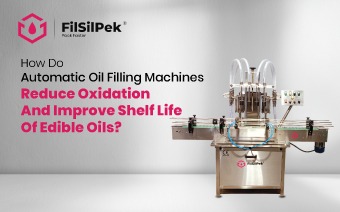
How do automatic oil filling machines reduce oxidation and improve shelf life of edible oils?
Edible oil oxidation remains one of the most persistent challenges in food processing, causing financial losses…..