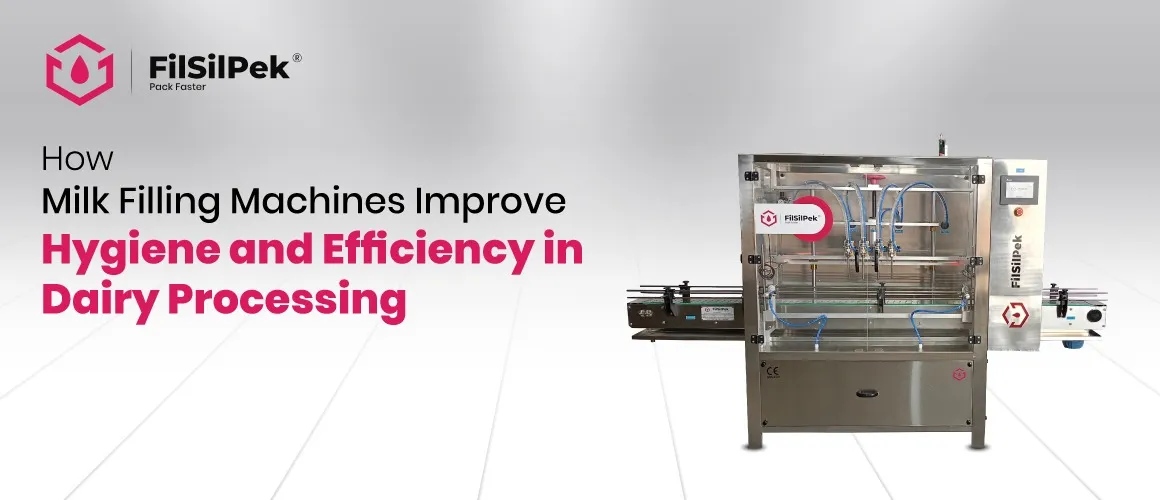
How Milk Filling Machines Improve Hygiene and Efficiency in Dairy Processing
In the dairy industry, hygiene is not optional it is critical. Milk is highly perishable and highly sensitive to contamination. Even minimal exposure to bacteria can compromise product quality, shorten shelf life, and damage brand reputation.
This is where modern milk filling machines play a transformative role.
Today’s automated milk filling systems are engineered not just for speed, but also for superior sanitation, regulatory compliance, and maximum operational efficiency. In this SEO-optimized guide, we explore how milk filling machines improve hygiene, enhance productivity, and ensure food safety in dairy processing plants.
1.Advanced Hygiene & Sanitary Design
Modern milk filling machines are manufactured using food-grade stainless steel (SS 304 / SS 316), ensuring corrosion resistance, durability, and compliance with food safety standards.
Key Hygienic Features:
- Crevice-free and smooth surfaces to prevent bacterial buildup
- Rust-resistant and corrosion-proof body
- Enclosed and sealed filling systems
- Anti-bacterial, sanitary design architecture
These advanced design elements significantly reduce microbial growth and contamination during milk packaging.
Benefits for Dairy Manufacturers:
- Lower product spoilage rates
- Extended milk shelf life
- Reduced customer complaints
- Improved product consistency
By investing in hygienically designed milk filling equipment, dairy processors can maintain strict sanitation standards while improving product reliability.
2. CIP (Clean-In-Place) System
One of the most important advancements in dairy processing hygiene is the CIP (Clean-In-Place) system.
Milk filling machines equipped with CIP technology allow:
- Automatic internal cleaning without dismantling
- Hot water and chemical sanitization cycles
- Reduced manual cleaning errors
- Faster, standardized cleaning processes
With automated CIP systems, every production batch begins in a fully sanitized environment, significantly lowering cross-contamination risks.
Operational Advantages:
- Reduced production downtime
- Improved cleaning consistency
- Enhanced food safety compliance
- Lower labour dependency
For large-scale dairy processing plants, CIP-enabled milk filling machines ensure both efficiency and sanitation at scale.
3. Minimal Human Contact
Manual milk handling increases contamination risk and food safety concerns.
Automated milk filling machines minimize human intervention by:
- Maintaining sealed transfer pipelines
- Eliminating open pouring systems
- Automating filling and sealing operations
- Reducing direct product exposure
Less human contact equals higher hygiene standards and better contamination control.
This is particularly crucial for commercial dairy plants supplying supermarkets, institutional buyers, and export markets where strict safety standards are mandatory.
4. Leak-Proof & Controlled Filling
Precision-engineered nozzles in modern milk filling machines ensure accurate and hygienic filling.
Key Benefits:
- Prevention of milk spillage
- Avoidance of splash contamination
- No cross-contamination between containers
- Consistent and precise fill levels
Leak-proof filling systems also reduce product wastage and improve packaging aesthetics directly impacting brand perception and profitability.
Accurate filling enhances consumer trust while optimizing production efficiency.
5. Temperature-Controlled Filling
Maintaining optimal temperature during milk processing is critical to preventing bacterial growth and preserving freshness.
Advanced milk filling machines support:
- Temperature-controlled filling chambers
- Integration with chilled storage systems
- Insulated transfer pipelines
- Cold chain compatibility
Why Temperature Control Matters:
- Preserves milk quality and taste
- Extends shelf life
- Prevents microbial contamination
- Ensures regulatory compliance
In high-volume dairy plants, temperature-controlled milk filling systems play a vital role in maintaining product integrity throughout the packaging process.
6. Faster Production with Clean Processing
Efficiency and hygiene must work together in modern dairy manufacturing.
Automated milk filling machines offer:
- High-speed automated filling operations
- Airtight sealing mechanisms
- Reduced cleaning downtime
- Continuous production cycles
Higher processing speeds reduce milk exposure time, minimizing contamination risk while maximizing plant output.
The Result:
- Increased production capacity
- Lower operational costs
- Reduced product loss
- Higher profit margins
For growing dairy businesses, automated milk packaging equipment ensures scalability without compromising hygiene standards.
7. Compliance with Food Safety Standards
The dairy industry operates under strict regulatory frameworks.
Modern milk filling machines are designed to meet:
- FSSAI compliance (India)
- ISO food-grade manufacturing standards
- GMP (Good Manufacturing Practices) guidelines
- HACCP (Hazard Analysis and Critical Control Points) requirements
Using compliant milk filling equipment strengthens trust with regulatory authorities and enhances brand credibility in domestic and international markets.
Compliance is not just a requirement it is a competitive advantage.
Why Dairy Plants Should Invest in Modern Milk Filling Machines
Investing in advanced milk filling machines is not just about automation it is a strategic decision for long-term growth.
Key Reasons to Upgrade:
- Protect brand reputation
- Reduce contamination risks
- Increase operational efficiency
- Meet food safety regulations
- Enable sustainable production scaling
- Improve overall return on investment (ROI)
In today’s competitive dairy market, hygiene, efficiency, and compliance are the key differentiators.
Modern milk filling machines provide the technology needed to achieve all three ensuring safe milk packaging, optimized productivity, and long-term business success.
Frequently Asked Questions (FAQ)
- Why is hygiene important in milk filling?
Milk is highly perishable and can quickly develop bacterial contamination if exposed to unsanitary conditions.
A hygienic milk filling machine minimizes microbial growth during packaging.
This ensures product safety, longer shelf life, and compliance with dairy processing regulations.
- What is a CIP system in dairy processing?
A CIP (Clean-In-Place) system automatically cleans the internal parts of a milk filling machine without dismantling it.
It uses controlled cycles of hot water and approved cleaning chemicals for complete sanitization.
This reduces contamination risk and ensures every batch starts in a sterile production environment.
- How do milk filling machines improve efficiency in dairy plants?
Automatic milk filling machines increase production speed while reducing manual labour dependency.
They minimize spillage, reduce downtime, and ensure consistent fill accuracy.
This leads to higher output, lower operational costs, and improved overall plant productivity.
- Are modern milk filling machines compliant with food safety standards?
Yes, modern milk filling machines are designed to meet FSSAI, ISO, GMP, and HACCP standards.
They use food-grade materials and hygienic engineering practices to maintain safety.
This helps dairy manufacturers maintain regulatory compliance and build consumer trust.
Comparing piston vs. gravity filling machines: Which one suits your product best?
Filling machines are a core part of any liquid packaging…..
Maintenance tips and best practices to extend the life of your filling & capping line
A filling and capping line operate at the heart of production…..
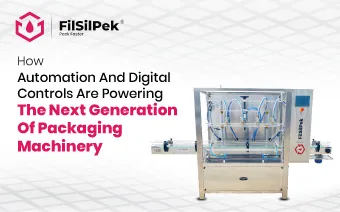
How Automation and Digital Controls Are Powering the Next Generation of Packaging Machinery
Packaging machinery has moved far…