Modular & Scalable Filling Systems for Growing Brands
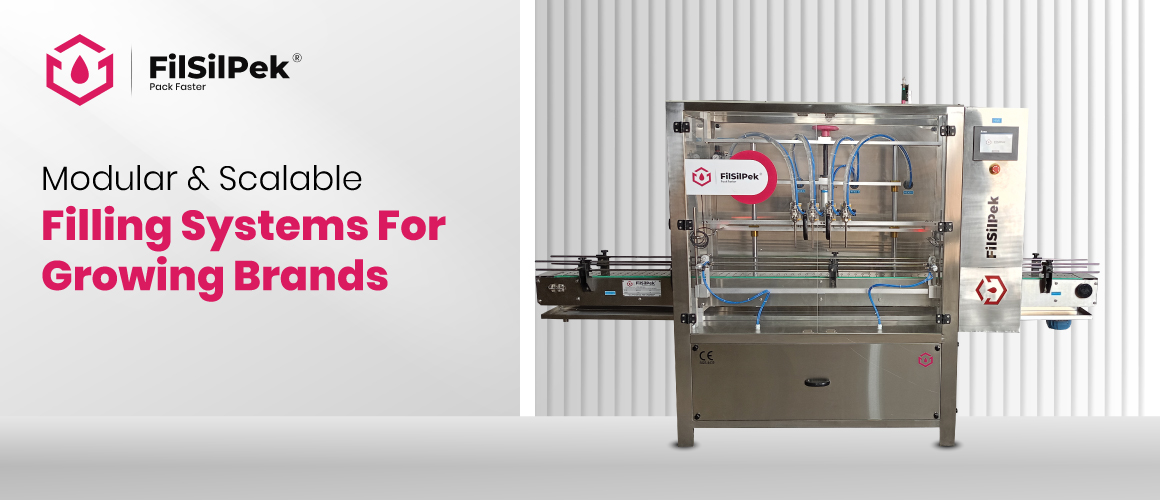
For growing brands, production capacity can quickly become a challenge. As sales increase, businesses need filling equipment that can expand without disrupting operations. This is where modular and scalable filling systems become valuable. These systems are designed to grow with your business by allowing you to add capacity, introduce automation, and adapt to new packaging needs without replacing the entire line. For startups, SMEs, and fast-growing manufacturers, scalable filling solutions offer flexibility, cost control, and long-term efficiency.
Why Are Modular & Scalable Filling Systems Important for Growing Brands?
As brands grow, demand often changes faster than expected. A rigid production setup can slow down progress, delay orders, and increase costs. Modular systems solve this problem by giving businesses room to expand smoothly.
Avoiding Production Bottlenecks
When orders increase suddenly, outdated or small filling lines can create delays. Slow production affects delivery timelines, customer satisfaction, and market reputation. A scalable filling machine system allows brands to increase output without major disruption.
Lower Initial Investment with Future Expansion
Many growing companies do not need a large industrial system on day one. Modular equipment allows brands to start with the right capacity for current demand and expand later by adding new modules, nozzles, conveyors, or automation features. This phased investment model protects cash flow.
Long-Term Business Flexibility
Markets change quickly. Product demand can rise, packaging styles can evolve, and new SKUs may be introduced. A modular filling line gives brands the flexibility to adapt without rebuilding the entire production process.
How Do Modular Filling Systems Grow with Production Demand?
The main advantage of modular systems is their ability to expand step by step. Instead of replacing one machine with another, businesses can upgrade only the required sections.
Adapting to New Product Lines
Many brands expand beyond one product. A beverage company may launch new flavors, or a cosmetics brand may add lotions and serums. Modular liquid filling systems can often be reconfigured for different viscosities, bottle sizes, or fill volumes.
Increasing Capacity Without Full Replacement
When demand rises, brands can add extra filling heads, faster conveyors, capping units, or labeling modules. This is far more affordable than buying a completely new packaging line.
Supporting Different Packaging Formats
Growing brands often move into multiple packaging styles such as bottles, jars, pouches, cans, or tubes. Modular filling systems can be adjusted with change parts or new modules to handle different container formats efficiently.
What Should Growing Brands Consider Before Choosing a Filling System?
Selecting the right filling system requires planning for both present operations and future growth.
Current Production Volume and Future Forecast
Businesses should assess current daily output and expected growth over the next one to five years. This helps determine whether to begin with a semi-automatic system or a fully automatic scalable filling line.
Product Type and Filling Requirements
Thin liquids, thick creams, powders, foamy products, and viscous materials all require different filling technologies. Choosing the correct filling method improves accuracy and reduces wastage.
Level of Automation
Some brands start with manual or semi-automatic systems and later upgrade to full automation. Modular systems make this transition easier by allowing integration of cappers, labelers, conveyors, and robotic packers.
Total Cost of Ownership
Beyond purchase price, brands should consider maintenance cost, spare parts availability, energy use, downtime risk, and future upgrade expense. A high-quality scalable system often delivers better long-term value.
Ease of Operation and Maintenance
Simple controls, quick changeovers, and easy maintenance reduce downtime and training time. This becomes even more important as production teams grow.
Why Is Scalability Essential for Fast-Growing Brands?
For growing companies, scalability is not just helpful—it is often necessary for survival and expansion.
|
Metrics |
2018 |
2019 |
2020 |
|
Revenue (in millions) |
50 |
75 |
100 |
|
Number of Customers |
1000 |
1500 |
2000 |
|
Employee Count |
50 |
75 |
100 |
Staying Ahead of Demand
Brands with scalable filling equipment can expand production before bottlenecks occur. This allows them to meet rising demand consistently rather than reacting too late.
Protecting Brand Reputation
Customers expect timely delivery and reliable stock availability. If production delays become common, buyers may move to competitors. Scalable production systems help maintain trust.
Enabling Innovation
Brands that launch new products regularly need flexible equipment. Modular filling lines make it easier to test new SKUs, packaging sizes, or seasonal launches without major investment.
How Do Modular Filling Systems Improve Operational Efficiency?
Modular systems are designed to make production smoother, faster, and easier to manage.
Faster Changeovers
If a business switches between different products or bottle sizes, modular systems reduce changeover time through standardized parts and quick adjustments. This means more uptime and better productivity.
Better Workflow Integration
A modular line can be arranged to improve factory layout and product flow. It can connect smoothly with upstream tanks, mixers, conveyors, cappers, and downstream packaging systems.
Improved Operator Productivity
Modern modular systems use user-friendly controls, touchscreen HMIs, and automated settings. This reduces manual effort and helps operators run lines more efficiently.
Enhanced Safety Standards
Ergonomic design, guards, sensors, and automated handling reduce workplace risks and improve staff safety.
How Can Brands Customize Filling Systems for Unique Needs?
One of the biggest advantages of modular systems is customization.
Product-Specific Filling Technology
Different filling heads can be selected depending on whether the product is water-like, thick, foamy, hot-filled, or particle-based. This ensures precise filling performance.
Easy Integration with Future Automation
As the business grows, brands can add automatic capping machines, labelers, coding systems, checkweighers, and palletizers. Modular systems are built for this kind of integration.
Packaging-Specific Adjustments
Some brands require tamper-evident seals, special caps, custom bottles, or unique pouch systems. Modular machines can be adapted for these needs.
How Do Scalable Filling Solutions Maximize Output and Agility?
The ultimate goal of growing brands is to stay efficient while responding quickly to market demand.
Higher Output with Consistent Quality
As capacity expands, a well-designed scalable system continues delivering accurate fills and consistent packaging quality.
Faster Response to Market Trends
If a new product trend appears or seasonal demand rises, modular systems allow brands to react quickly by adjusting production capacity.
Better Use of Capital
Instead of overinvesting in oversized machinery from the start, businesses can invest gradually based on demand. This improves return on investment and preserves working capital.
Which Industries Benefit from Modular Filling Systems?
These systems are ideal for many industries including:
- Food and beverage
- Dairy products
- Cosmetics and personal care
- Pharmaceuticals
- Chemicals and lubricants
- Nutraceuticals
- Household cleaning products
Any brand expecting growth can benefit from modular production equipment.
Conclusion
Modular and scalable filling systems are one of the smartest investments for growing brands. They provide the flexibility to start small, expand production gradually, and adapt to changing products or packaging needs. Instead of replacing equipment every time demand increases, businesses can grow efficiently with step-by-step upgrades. For brands focused on speed, cost control, and long-term success, scalable filling solutions offer a strong competitive advantage.
FAQs
- What are modular and scalable filling systems for growing brands?
They are filling systems designed to expand or adapt as production demand grows, allowing businesses to upgrade capacity without replacing the full line.
- How can modular filling systems adapt to changing production needs?
They can add new modules such as filling heads, conveyors, cappers, labelers, or packaging adjustments based on demand.
- What are the benefits of scalable filling systems for growing brands?
Benefits include lower upfront cost, easier expansion, faster response to market changes, and better long-term ROI.
- How can growing brands choose the right filling system for their needs?
They should consider product type, current production volume, expected growth, automation needs, and future flexibility.
- Why is scalability important in filling systems for growing brands?
Scalability allows brands to grow efficiently, meet rising demand, reduce downtime, and avoid costly equipment replacement.
Integrating blockchain for full traceability in food & chemical packaging
Integrating blockchain into food and chemical packaging isn’t just a…..
Designing powder filling lines for nutraceuticals & herbal supplements
Getting your nutraceutical or herbal supplement powders into their final packaging efficiently…..
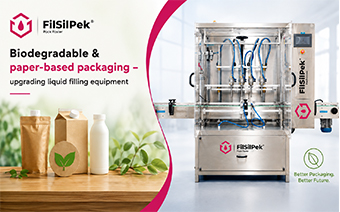
Biodegradable & paper-based packaging – upgrading liquid filling equipment
Thinking about switching to biodegradable or paper-based packaging for your…..