Smart labelling: QR codes, NFC and customer engagement
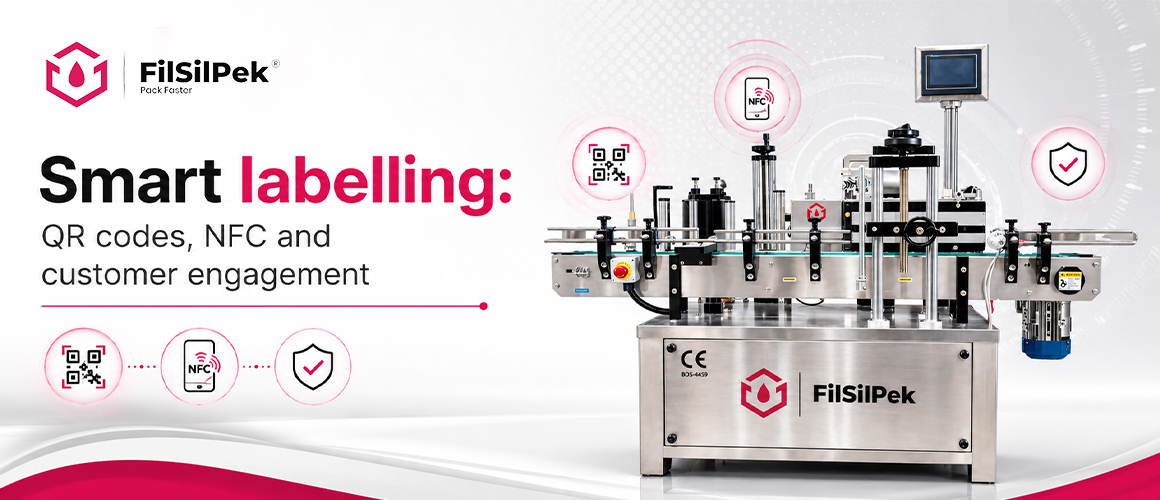
Discover how smart labelling with QR codes and NFC helps brands improve customer engagement, product authentication and interactive packaging experiences.
Introduction
Rationale for smart labeling in industrial packaging
Smart labeling technology overview and benefits indicate that this innovation transforms packaging into an active information channel. By linking the physical item to a dynamic digital footprint, it enables real-time data access and a richer brand experience. For manufacturers, smart labeling enhances visibility, transparency, and responsiveness across the supply chain with auditable steps, ultimately leading to improved efficiency and customer engagement.
Beyond basic tracking, smart labeling supports proactive alerts and compliance signals that help field teams prevent downtime and waste. This isn’t just about data collection; it’s about turning packaging into a responsive asset that informs decisions at every stage.
Overview of QR codes, NFC, and related technologies
QR codes provide universal, smartphone-based access to product specs, manuals, and certificates. NFC enables tap to interact experiences that trigger personalized content and native app workflows, such as on‑the‑spot warranty checks. Digital watermarks offer invisible branding signals and security without altering visible design.
When combined with geo-targeted updates, a QR scan can deliver region‑specific content and regulatory notices, while an NFC tag can initiate field maintenance tasks or checklists for service teams.
Expert Insight
“Connected packaging, powered by QR, NFC, digital watermarks and related technologies, transforms packaging from a static surface into a secure, transparent, and life-cycle aware interface that enhances both consumer trust and supply-chain visibility.”, Industry Analyst
- QR Codes for Interactive Packaging
How QR codes connect physical packaging to digital content
QR codes convert a static package into a gateway for product identity, sourcing details, usage guidance, and integrity data. A quick scan links to a product-specific destination, creating a seamless bridge between the tangible item and its digital footprint. This approach supports real time updates without reprinting packaging.
Pairing QR codes with GS1 digital links ensures universal scanning and future‑proof data access. When scanned with a smartphone, consumers get trusted product information, while brands maintain a dynamic, omnichannel digital footprint.
Best practices for scannability, error correction, and GS1 digital links
- Use high contrast printing and a clear quiet zone to enhance scan reliability.
- Apply robust error correction to preserve readability despite wear or damage.
- Adopt GS1 digital link standards to enable universal scanning and real time data access.
- Anchor links to mobile friendly pages that load quickly and present concise product details.
Examples of QR driven consumer journeys from awareness to loyalty
- Awareness: A shopper scans to explore sourcing stories and sustainability data, building initial trust.
- Consideration: They compare ingredients and access usage tips through AR overlays.
- Purchase: They save a digital link to a preferred store or add items to a Wishlist.
- Loyalty: They leave quick reviews, participate in brief surveys, and join rewards programs via the landing experience.
- NFC Labels for Tap-to-Interact Experiences
What NFC brings to product labeling beyond visual codes
NFC adds a tactile, proximity-driven layer to labeling. A simple tap on the label delivers rich media, product data, and personalized content without opening a browser. This native interaction speeds access to the packaging experience and real-time information.
Unlike visible codes, NFC can deliver content through a dedicated channel that remains functional even if printed artwork changes. It supports multilingual experiences and market-specific updates without reprinting packaging, preserving the integrity of the packaging experience across regions.
Real-world example: A snack brand updates allergen notices via NFC without touching carton artwork. Consumers tap and instantly see the latest ingredients, vegan status, and kitchen cross-contamination notes in their language. Implement this by linking to a dynamic FAQ page that can be refreshed quarterly.
Two-way engagement: open data, personalized content, and native apps
- Open data: instant access to ingredients, sourcing, and production details through packaged labels.
- Personalized content: prompts tailored to shopper context or loyalty status.
- Native app integration: seamless handoff to brand apps for deeper experiences.
- Two-way communication: feedback prompts, surveys, and usage tips feed data back to brands in real time.
Sustainability considerations and cost/production impacts
Advances in low-cost, scalable NFC inlays and labels enable high-volume SKUs while supporting sustainability goals through data-rich packaging that reduces printed collateral.
Evaluate label durability, recycling compatibility, and the supplier capability to print and test NFC tags within existing packaging lines. Plan for ongoing performance checks to ensure reliable read distance and resilience in real-world conditions.
Practical steps: pilot on two product families, set a target read distance of 3 cm, and mandate quarterly read-rate audits. Track return rates and customer feedback to quantify impact on brand trust.
- Digital Watermarks and Invisible Labeling
Embedding digital signals into artwork without visible codes
Digital watermarks embed machine readable data directly into imagery and packaging artwork. This approach preserves the aesthetic of the label while carrying product identity, batch details, and origin data. Scanning can occur with dedicated readers or compatible devices, enabling a seamless consumer and supply chain experience.
Use cases in brand experience and anti-counterfeiting
- Brand experience: invisible signals unlock multilingual content and loyalty prompts without altering design.
- Anti-counterfeiting: embedded markers validate authenticity along the supply chain and at point of sale.
- Content freshness: signals can update back-end data without touching the printed artwork.
- Real world example: a cosmetic brand embeds a watermark that unlocks AR tutorials when scanned by a store team member, improving onboarding without changing packaging.
Limitations and implementation guidance
- Limitations: scanning requires compatible hardware and robust detection in varied lighting and surfaces, and high contrast artwork helps reliability.
- Implementation: partner with label converters that support high resolution embedding, standardized verification workflows, and regular cadence tests.
- Quality checks: run cross material tests, simulate aging, and verify detection across multiple printers to avoid false negatives.
- Data governance: define minimal necessary data, enforce access controls, and audit scan events to protect privacy and brand integrity.
- Smart Label Content Strategies
Transparency and traceability: ingredients, sourcing, and manufacturing
Smart labels should surface verifiable product details that bolster trust. Consumers expect clear visibility into ingredients, origin, and how items are made. Present data in concise bursts that travellers can skim on mobile devices.
Structure content so readers can trace a product from source to shelf without extra clicks. Use standardized identifiers and scannable links that route to multilingual pages with bite sized facts and full disclosures when requested.
Concrete example: a beverage brand labels a QR code that shows farm names, harvest dates, and processing steps. A single tap reveals allergen warnings and carbon offsets for each batch.
Practical steps: map your supply chain endpoints, publish batch level data, and provide a one click share option for transparency reports to retailers and regulators.
Sustainability data and lifecycle information
Lifecycle data informs decisions from production to end of life. Labels can communicate packaging recyclability, material composition, and emissions footprints in a transparent, country specific format.
Offer practical sustainability prompts such as recycling tips or reuse ideas, aligned with regional regulations and consumer expectations. Keep data updated as supply chains evolve to maintain credibility.
Data point example: provide grams of CO2 per unit and recyclability status by country, updated quarterly from supplier dashboards.
Edge case: for products with multiple packaging options, show the most common configuration for the region and note alternatives to avoid misinterpretation.
Personalization and tiered content based on shopper context
Content can adapt to shopper context to improve relevance and engagement. Tiered experiences might range from quick product basics for casual shoppers to in depth sourcing stories for researchers or loyalty members.
Leverage shopper signals like location, device, and preference settings to tailor content while honoring privacy boundaries and consent choices.
How-to tip: implement a rules engine that switches between a 30 second overview, a 2-minute sourcing narrative, or a full supplier dossier based on user role and consent.
- Turning Labels into Engagement Engines
From scanning to real-time feedback, reviews, and surveys
Smart labels invite shopper input immediately after a scan. Quick star ratings or short comments surface while the experience is fresh, helping you identify friction points in the purchase flow. Landing experiences support concise reviews or brief surveys, typically completed in a few seconds.
- Feedback prompts aligned with the product and market variant based on purchase history.
- Short surveys designed to capture sentiment without adding checkout steps.
- Structured data streams deliver actionable insights for weekly product reviews and iterations.
Loyalty integration, promotions, and usage tutorials
Labels tie into loyalty programs and surface offers relevant to the shopper’s status. Quick usage tutorials reduce first-time friction, often delivered in under a minute. Pair promotions with micro-tasks like brief how-tos to drive engagement without overwhelming the shopper, and measure uptake by scan events.
- Loyalty status shapes content depth, rewards access, and previews.
- Promotions tied to scan events enable context-aware nudges rather than broad campaigns.
- Step-by-step usage guides, with optional video snippets, hosted within the mobile experience.
Data privacy, consent, and regulatory considerations
Smart labeling requires clear consent and transparent data handling at the moment of scan. Map data flows, retention rules, and regional requirements, and provide a concise privacy summary within the landing experience. Explain how data enhances the experience while enforcing protections.
- Consent prompts tied to feedback collection and personalized content.
- Opt-out options and preference management without sacrificing core functionality.
- Ongoing compliance alignment with local and international regulations, supported by periodic audits.
- Operational and Supply Chain Impacts
End-to-end visibility with RFID and NFC in manufacturing and logistics
RFID and NFC enable real-time tracking across production lines and warehouses. This visibility reduces stock discrepancies and improves flow planning.
Across facilities, standardized digital links provide a single source of truth for item status, location, and custody events, easing audits and compliance checks.
Example: a beverage bottler uses RFID to auto-update pallet movements from line to dock, triggering replenishment signals when stock falls below threshold. Pair readers at packing stations with a centralized dashboard to surface exceptions quickly.
Turnkey labeling solutions for liquids, viscous products, and cosmetics
Specialized labeling approaches address the unique challenges of liquids and viscous materials. Durable substrates and precise die-cutting ensure reliable reads in fill and seal environments.
Turnkey solutions streamline integration with existing ERP and warehouse management systems, minimizing setup time and operational risk.
Suggestion: run a pilot with three SKUs, validating print margin, adhesive compatibility, and read range across cold and warm zones. Document a two-week rollout plan with rollback steps for any failed batch.
Quality control, traceability, and anti-counterfeiting benefits
Embedded data streams support trackable provenance from supplier to shelf. Automated verification at transfer points reduces the chance of mislabelling.
Anti-counterfeiting markers, combined with real-time validation, help protect brand integrity and reinforce trust with customers.
Note: implement monthly reconciliation of digital logs against physical custody events to catch gaps, and require periodic third-party audits for label integrity.
| Aspect | Benefit | Considerations |
| End-to-end visibility | Real-time status, accurate inventory, improved planning | Requires interoperable systems and standard data formats |
| Liquid and viscous labeling | Durable reads, compliant labeling, reduced waste | Material compatibility and print durability must be validated |
| Quality and security | Improved traceability, anti-counterfeiting, faster recalls | Regular calibration of readers and data governance is essential |
Expert Insight
“End-to-end visibility, real-time inventory accuracy, and secure, tamper-evident provenance are the core benefits RFID/NFC bring to logistics, enabling faster recalls, reduced waste, and stronger brand trust across the supply chain.” , Industry Analyst
Practical expansion examples
The packaging experience becomes an omnidirectional journey. Universal scanning and GS1 digital links help content stay current while supporting multilingual markets. This approach boosts transparency, trust, and engagement across the product life cycle. Consider a cosmetics kit where scans show ingredient safety updates and regional regulatory notes in the user’s language.
- Adopt a balanced mix of QR codes and NFC to match shopper behavior and product category.
- Plan for scalable content governance to keep data accurate and accessible.
- Align packaging with sustainability goals by sharing transparent lifecycle information.
- Track expiry alerts for perishable goods and trigger reminders via the label
- Set up quarterly content reviews with regional teams to refresh translations and compliance data
- Test label durability in real conditions to ensure scannability after handling
Expert Insight
“GS1 Digital Link turns every product into a web-connected item by encoding trusted identifiers in a 2D barcode or tag and linking them to updatable digital content, enabling seamless consumer engagement, enhanced brand loyalty, and supply-chain visibility without changing the on-pack symbol.” , Industry Analyst
| Focus | Impact | Notes |
| Customer engagement | Deeper brand experience and loyalty signals | Use data rich content to guide journeys from awareness to consideration |
| Operational visibility | Improved traceability and supply chain clarity | Leverage RFID, NFC, and end to end data sharing |
| Content governance | Reliable, up to date information across markets | Implement robust update workflows and privacy controls |
FAQ
What makes QR, NFC, and digital watermarks different for labels?
QR codes enable universal smartphone scans without special hardware. NFC provides tap to interact experiences and richer two-way data exchanges. Digital watermarks embed signals into artwork, preserving design while enabling invisible engagement. Each approach supports distinct goals in the packaging journey and brand identity.
- QR codes are widely accessible and language flexible.
- NFC supports contextual content and faster access without manual scanning.
- Digital watermarks protect visual design while enabling subtle engagement.
How should brands choose between QR codes and NFC for a project?
Evaluate reader behavior, cost, and content strategy. QR codes suit broad reach and multilingual campaigns. NFC is ideal for high value or luxury products with on pack interactions. A hybrid approach can combine both to deliver a scalable connected packaging strategy while preserving visual design.
- Assess shopper device capability and typical shopping context.
- Consider content depth and update frequency.
- Factor production costs, placement flexibility, and label durability.
What are common challenges in implementing smart labels and how to overcome them?
Expect guidance on reliable scans across environments, keeping digital content current, and protecting consumer data privacy. Address these with robust error correction, GS1 digital link guidance, and clear consent frameworks. Plan for cross market localization and ongoing content governance.
- Test scans in real world conditions across multiple devices.
- Establish a content management process for timely updates.
- Define privacy controls and compliance from the start.
Conclusion
Smart labeling closes the loop between physical packaging and digital experiences. By weaving QR codes, NFC, and digital watermarks into product identity, you enable real time information delivery to consumers and partners. For example, a beverage label can push production lot data and allergen details to a mobile wallet at the point of sale.
How Do You Choose Between Semi-Automatic and Fully Automatic Oil Filling Machines?
Oil filling is a critical step in packaging operations across industries…..
What role does PLC play in automatic oil filling machines?
Automatic oil filling machines run many small and complex actions at the same time. Each bottle…..
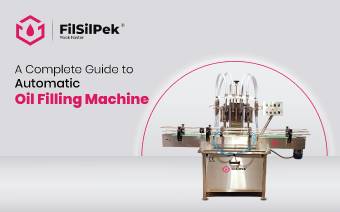
A Complete Guide to Automatic oil filling machines
Oil packaging has changed a lot over the last decade. What once depended heavily on manual labor…..
Contact Us
Address
B-603, SHALIN SQUARE HATHIJAN CIRCLE VATVA G.I.D.C ROAD, VINZOL,AHMEDABAD-382445 GUJARAT
Contact
+91 90542 94961
Inquiry Form
Contact Us
Address
B-603, SHALIN SQUARE HATHIJAN CIRCLE VATVA G.I.D.C ROAD, VINZOL,AHMEDABAD-382445 GUJARAT
Contact
+91 90542 94961
Inquiry Form
Contact Us
Address
B-603, SHALIN SQUARE HATHIJAN CIRCLE VATVA G.I.D.C ROAD, VINZOL,AHMEDABAD-382445 GUJARAT
Contact
+91 90542 94961
Inquiry Form
Contact Us
Address
B-603, SHALIN SQUARE HATHIJAN CIRCLE VATVA G.I.D.C ROAD, VINZOL,AHMEDABAD-382445 GUJARAT
Contact
+91 90542 94961
Inquiry Form
Contact Us
Address
B-603, SHALIN SQUARE HATHIJAN CIRCLE VATVA G.I.D.C ROAD, VINZOL,AHMEDABAD-382445 GUJARAT
Contact
+91 90542 94961
Inquiry Form