Reducing water usage in cleaning and CIP systems
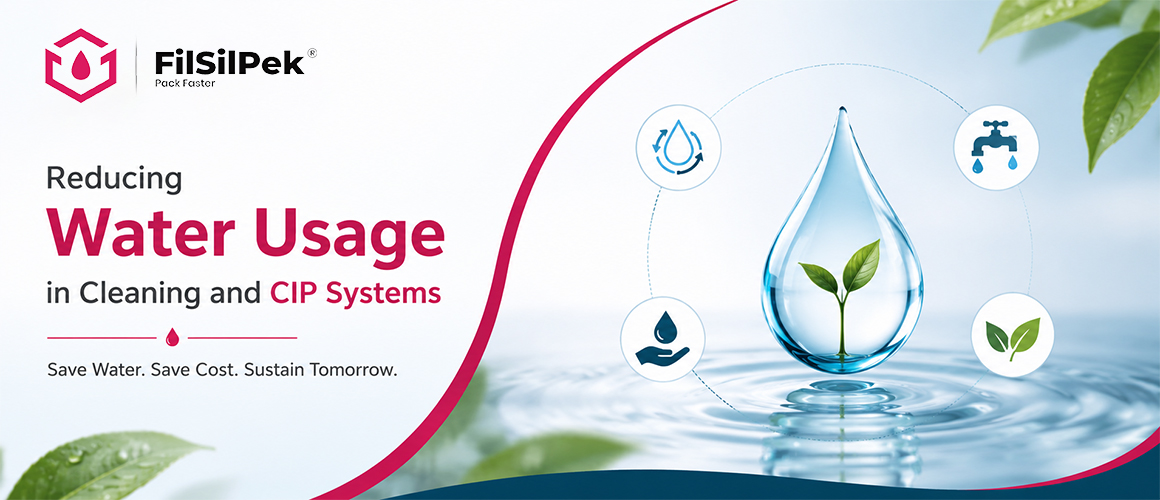
Water is a precious resource, and using less of it in our cleaning and Clean-in-Place (CIP) systems isn’t just “nice to have”—it’s becoming essential. The good news is, we can significantly cut down on water use without sacrificing cleanliness or efficiency. It’s about being smart with our processes, adopting better technologies, and consistently monitoring what we’re doing.
The Real Cost of Water
Beyond the obvious environmental benefits, reducing water consumption in your operations has tangible financial advantages. Water isn’t free, and neither is treating it afterward. Every gallon saved translates to lower utility bills and potentially reduced wastewater treatment costs. In many regions, water scarcity is already a pressing issue, leading to stricter regulations and higher prices. Future-proofing your operations by optimizing water use now means you’re better prepared for those challenges. It also contributes to a more sustainable business model, which is good for your reputation and, frankly, good for the planet.
Understanding Why Water Matters in Cleaning
It might seem obvious, but water isn’t just a carrier for detergents; it’s a critical component in achieving thorough cleaning. Yet, we often use far more than necessary.
The Role of Water in Cleaning Processes
Water acts as a solvent, helping to dissolve soils and detergents. It provides the mechanical energy for rinsing, flushing away loosened contaminants. It’s also crucial for heat transfer, especially in sanitation steps. The challenge is that while water is vital, there’s often a significant difference between the optimal amount and the amount we actually use. Many systems are designed with generous margins, leading to excessive use. Thinking of water as a resource that enables cleaning, rather than simply as an unlimited supply, can shift our approach to how we design and operate our cleaning processes.
Environmental and Economic Pressures
Environmental regulations are getting tougher, and public awareness of water scarcity is growing. Businesses are increasingly expected to demonstrate responsible resource management. Economically, the cost of fresh water is rising, and so is the cost of treating and disposing of wastewater. These pressures make a strong case for proactive water conservation efforts. It’s not just about compliance anymore; it’s about smart business and social responsibility. Ignoring these pressures can lead to fines, reputational damage, and increased operational costs in the long run.
Implementing Efficient Cleaning Practices
Small changes in your everyday cleaning routines can add up to significant water savings over time. It’s about being deliberate and thoughtful in how we approach each cleaning task.
Pre-Rinsing and Scraping Strategies
Often, a lot of water goes into rinsing away large debris. Before you even turn on the water, consider dry scraping or wiping away as much solid residue as possible. This simple step can dramatically reduce the amount of water needed for the initial rinse, and often makes the subsequent washing cycle more effective because the detergents aren’t overwhelmed by excessive soil. It’s like cleaning a dish before putting it in the dishwasher—you get better results with less effort and less water.
Optimizing Detergent and Chemical Use
Using the right amount of detergent isn’t just about cost; it impacts rinse time and water usage. Too little, and the cleaning is ineffective, requiring re-washes. Too much, and you’ll need extended rinse cycles to ensure all residues are removed. Calibrate your dosing systems carefully, ensuring you’re using the minimum effective concentration. Furthermore, selecting highly soluble or free-rinsing detergents can shorten rinse times, directly translating to water savings. Sometimes, switching to a more effective chemical can mean less physical effort and less water for rinsing.
High-Pressure Low-Volume Cleaning
Traditional hosing down often uses excessive water at lower pressures. Shifting to high-pressure, low-volume (HPLV) nozzles and equipment can be incredibly effective. The concentrated force of the water dislodges soils more efficiently, requiring less overall water. This is particularly effective for larger surfaces or equipment where physical scrubbing isn’t practical. It’s about working smarter, not harder, with your water. Training staff on proper HPLV techniques is also crucial to maximize these benefits.
Optimizing CIP Systems for Water Conservation
CIP systems are often major water consumers. However, they also offer some of the most significant opportunities for savings through intelligent design and operation.
Multi-Stage Rinsing and Re-use
Instead of always using fresh water for every rinse, consider a multi-stage approach. The final rinse water, which is often relatively clean, can be collected and used for the pre-rinse cycle of the next CIP sequence. This cascading approach can drastically cut fresh water consumption. Think of it as a hierarchy: the cleanest water for the critical rinse, and progressively “dirtier” water for earlier stages where absolute purity isn’t required. Implementing dedicated collection tanks and smart valve sequencing is key to making this work effectively.
Cycle Time Optimization
Every step of a CIP cycle—pre-rinse, wash, intermediate rinse, final rinse—consumes water. Can any of these steps be shortened without compromising cleaning efficacy? This requires careful validation. Using conductivity sensors to monitor rinse water quality, for instance, can tell you precisely when residues have been flushed away, allowing you to stop the rinse cycle at the optimal moment, rather than relying on a fixed, often overly generous, timer. Data-driven adjustments to cycle times are crucial here.
Nozzle and Spray Pattern Efficiency
The type of spray device used in your CIP system has a massive impact on water distribution and effectiveness. Ensure you’re using the right nozzles for the vessel geometry and soil type. Modern impinging jet cleaners and rotating spray balls are far more efficient than older static spray balls, providing better coverage and more mechanical impact with less water. Regularly inspect these devices for wear and tear, as damaged nozzles can lead to ineffective cleaning and wasted water. A worn nozzle won’t reach all surfaces properly, potentially requiring longer cycles or re-cleans.
Strategies for Minimizing Water Waste
| Strategy | Description | Benefits |
| Xeriscaping | Landscaping with drought-resistant plants to reduce water usage | Conserves water, reduces maintenance costs |
| Water-efficient fixtures | Installing low-flow toilets, faucets, and showerheads | Reduces water usage, saves money on water bills |
| Leak detection | Regularly checking for and repairing leaks in plumbing and irrigation systems | Prevents water waste, saves water and money |
| Rainwater harvesting | Collecting and storing rainwater for later use in irrigation | Reduces reliance on municipal water supply |
Beyond specific cleaning methods, broader operational strategies can really move the needle on water reduction. It’s about building conservation into the very fabric of your operations.
Leak Detection and Repair Program
A dripping faucet might seem minor, but accumulating leaks across a facility can account for a substantial amount of wasted water over time. Implement a regular leak detection program. Pressure drops in your system, unexplained increases in water meter readings, or visible signs of moisture should trigger an immediate investigation. Prompt repair of these seemingly small issues can lead to surprisingly large overall savings and prevent larger, more costly issues down the line.
Water Hammer and Pressure Management
Sudden pressure fluctuations, known as water hammer, can not only damage pipes and equipment but also lead to inefficient water use. Properly designed and maintained piping systems with appropriate pressure regulation can minimize this. Maintaining optimal water pressure ensures that cleaning agents and rinse water are delivered effectively, without unnecessary overflow or splash-out. Too low pressure means ineffective cleaning, too high means unnecessary flow and stress on the system.
Employee Training and Awareness
Even the most sophisticated systems won’t save water if your team isn’t on board. Educate your employees about the importance of water conservation and how their actions contribute to overall sustainability goals. Train them on proper cleaning techniques, how to identify and report leaks, and the significance of following optimized procedures. A strong culture of water awareness can reinforce good practices across the entire operation. It builds a sense of shared responsibility.
Balancing Water Usage and Cleaning Effectiveness
The ultimate goal isn’t just to save water, but to save water without compromising cleanliness or product safety. This balance is critical, especially in regulated industries.
Validation of Reduced Water Practices
Any changes to cleaning procedures, especially in critical applications, must be thoroughly validated. This means demonstrating that the modified process still consistently achieves the required level of cleanliness. Use analytical tools—ATP testing, microbial counts, conductivity meters, visual inspection—to prove that your water-saving measures are effective. Without validation, you risk product contamination or regulatory non-compliance, which would far outweigh any water savings. This process needs to be documented meticulously.
Risk Assessment for Water Reduction
Before implementing significant water reduction strategies, conduct a comprehensive risk assessment. What are the potential downsides of reducing water in a particular step? Could it lead to inadequate cleaning, residue build-up, or microbial growth? Understanding and mitigating these risks proactively is essential for safe and successful water conservation. For instance, in some situations, a slightly longer, lower-flow rinse might be better than a shorter, higher-flow one, provided it doesn’t affect throughput too negatively.
Continuous Improvement Loop
Water conservation isn’t a one-time project; it’s an ongoing journey. Establish a continuous improvement loop. Regularly review your water usage data, assess the effectiveness of implemented strategies, and identify new opportunities for reduction. Technologies evolve, and your process needs might change. A proactive approach to monitoring and adapting ensures you remain at the forefront of sustainable and efficient cleaning. This involves regular audits and feedback loops from operators.
Innovations in Water-Saving Technologies
Technology is constantly evolving, offering new and exciting ways to conserve water in cleaning and CIP systems. Embracing these innovations can unlock significant benefits.
Advanced Filtration and Membrane Technologies
The ability to treat and re-use water within your facility is a game-changer. Technologies like ultrafiltration, nanofiltration, and reverse osmosis can effectively remove impurities from rinse water, making it suitable for re-use in less critical pre-rinse stages or even in subsequent main wash cycles. While the initial investment can be high, the long-term savings on water purchase and discharge can be substantial, especially for operations with high water consumption. This closes the loop on water usage.
Automated Cleaning Systems and Sensors
Modern automated cleaning systems are far more precise than older manual or semi-automated ones. They can precisely control water volume, pressure, and temperature, ensuring optimal use. Integrating smart sensors—conductivity meters, turbidity sensors, flow meters—allows the system to respond dynamically to cleaning needs, cutting off water supply as soon as the desired cleanliness is achieved, rather than running for a fixed time. This avoids over-rinsing, a major source of water waste.
Dry Ice Blasting and Other Waterless Techniques
For some specific cleaning challenges, waterless cleaning technologies might be an option. Dry ice blasting, for instance, uses solid CO2 pellets that sublimate upon impact, lifting contaminants without introducing any liquid water. While not suitable for all applications, it can be an excellent water-saving alternative for certain equipment, especially those sensitive to moisture or where rapid re-start is crucial. Exploring such niche technologies can open up unexpected avenues for water reduction.
FAQs
- Why is water conservation important in cleaning and CIP systems?
Water conservation is important in cleaning and CIP (clean-in-place) systems because it helps to reduce water waste, lower operational costs, and minimize environmental impact. Conserving water also supports sustainable practices and ensures the efficient use of this valuable resource.
- What are some efficient cleaning practices to reduce water usage?
Efficient cleaning practices to reduce water usage include using high-pressure, low-flow nozzles, optimizing cleaning cycles, implementing water recycling systems, and conducting regular maintenance to prevent leaks and water loss. Additionally, using environmentally friendly cleaning agents can help reduce the amount of water needed for effective cleaning.
- How can CIP systems be optimized for water conservation?
CIP systems can be optimized for water conservation by implementing automated controls to regulate water usage, optimizing cleaning cycles to minimize water waste, and using advanced technologies such as sensors and monitoring systems to ensure precise water usage. Additionally, conducting regular audits and assessments of CIP systems can help identify areas for improvement.
- What are some strategies for minimizing water waste in cleaning processes?
Strategies for minimizing water waste in cleaning processes include conducting regular equipment maintenance to prevent leaks, optimizing cleaning procedures to reduce water usage, implementing water recycling and reuse systems, and training staff on efficient cleaning practices. Additionally, using water-saving technologies and equipment can help minimize water waste.
- How can water consumption in CIP systems be monitored and managed effectively?
Water consumption in CIP systems can be monitored and managed effectively by installing flow meters and sensors to track water usage, implementing automated controls to regulate water flow, conducting regular inspections and audits to identify areas for improvement, and training staff on water conservation practices. Additionally, establishing clear water management protocols and goals can help ensure efficient water usage in CIP systems.
Enhancing operator training with augmented reality support
So, can augmented reality actually make operator training better? The short answer is a…..
Ozone and UV sterilization in filling machines
When it comes to keeping your filling machines clean and your products safe, ozone and UV…..
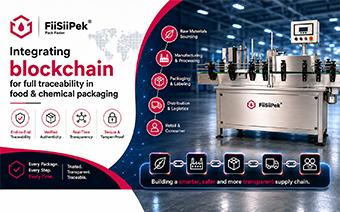
Integrating blockchain for full traceability in food & chemical packaging
Integrating blockchain into food and chemical packaging isn’t just a…..
Contact Us
Address
B-603, SHALIN SQUARE HATHIJAN CIRCLE VATVA G.I.D.C ROAD, VINZOL,AHMEDABAD-382445 GUJARAT
Contact
+91 90542 94961
Inquiry Form
Contact Us
Address
B-603, SHALIN SQUARE HATHIJAN CIRCLE VATVA G.I.D.C ROAD, VINZOL,AHMEDABAD-382445 GUJARAT
Contact
+91 90542 94961
Inquiry Form
Contact Us
Address
B-603, SHALIN SQUARE HATHIJAN CIRCLE VATVA G.I.D.C ROAD, VINZOL,AHMEDABAD-382445 GUJARAT
Contact
+91 90542 94961
Inquiry Form