
Smart packaging sensors for freshness & tamper detection
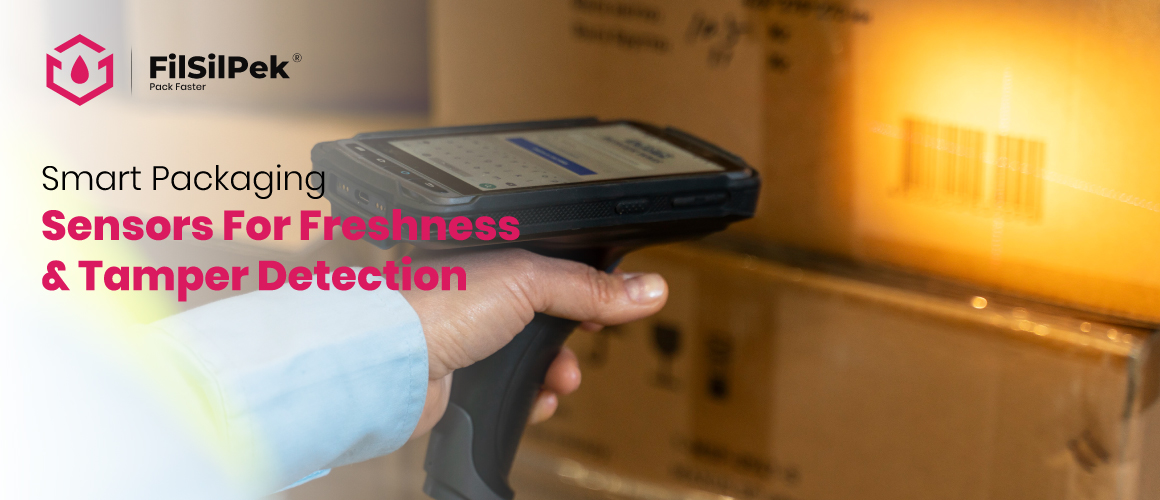
Keeping your food and other goods fresh and making sure they haven’t been messed with is a pretty big deal, right? That’s where smart packaging sensors come in. Think of them as tiny guardians for your products, letting you know if your milk is still good to drink or if that medication bottle has been opened before it reached you.
The Nuts and Bolts: How These Smart Sensors Work
So, what exactly are these “smart sensors” we’re talking about? In simple terms, they’re tiny devices embedded within or attached to packaging that can detect and communicate information about the product’s condition. They’re not just about aesthetics; they perform crucial functions related to what’s inside.
Sensing the Atmosphere Within
Many smart sensors are designed to monitor the environment inside the package. For food, this often means keeping tabs on gases.
Gas Detectors for Spoilage
One of the most common applications is detecting gases that indicate spoilage. As food begins to break down, certain microorganisms produce gases like ethylene, carbon dioxide, or even volatile organic compounds (VOCs). Sensors can be calibrated to identify specific levels of these gases, signalling that the product is no longer fresh. This can be anything from a subtle change in color on the sensor itself to a digital readout.
Humidity and Temperature Monitoring
Temperature and humidity are also critical for preserving freshness. Too much moisture can encourage Mold growth, while fluctuations in temperature can accelerate decay. Smart sensors can continuously track these conditions. If the temperature goes above a certain threshold for too long, the sensor can flag it, alerting consumers or supply chain managers to potential spoilage.
The Tamper-Evident Touch
Beyond just freshness, ensuring that a product hasn’t been tampered with is equally vital, especially for high-value goods or pharmaceuticals.
Physical Break Indicators
Some sensors are designed to react to physical changes. Think of a seal that changes color or texture if it’s been broken or a component that detaches when the package is opened. These are often simple, passive indicators that provide a clear visual cue.
Electronic Tamper Seals
More sophisticated systems go a step further. These might involve RFID tags or simple circuits that are broken when the package is opened. This can then trigger an alert via a connected device or a change in the packaging’s appearance. It’s less about a visual inspection and more about a verifiable electronic record.
Why Does This Matter So Much? The Importance of Freshness and Tamper Detection?
Let’s break down why this is more than just a fancy gadget trend. The implications for consumers, businesses, and even public health are substantial.
Protecting Consumers and Their Wallets
Imagine buying groceries. You want to be sure that the produce you pick is fresh and that the packaged meat hasn’t been compromised. Smart sensors offer a level of assurance that wasn’t previously possible.
Reducing Food Waste
Globally, food waste is a massive problem. When food spoils prematurely, it’s not just a loss for the consumer; it’s a significant environmental and economic drain. Smart packaging can help by providing more accurate shelf-life information, allowing consumers to make informed decisions and potentially reducing the amount of perfectly good food that ends up in the bin.
Preventing Illness
For items like pharmaceuticals or baby formula, tamper-evident packaging is non-negotiable. It’s a critical line of defence against counterfeit products or products that have been unlawfully altered. When a sensor indicates a potential breach, it’s a signal to be cautious, protecting people from potentially harmful substances.
Boosting Business and Brand Reputation
For companies, this technology isn’t just about responsibility; it’s also about strengthening their brand and streamlining their operations.
Ensuring Product Quality and Consistency
When products arrive in a damaged or spoiled state, it leads to returns, customer complaints, and a dent in a brand’s reputation. Smart sensors can help identify where in the supply chain these issues are occurring, allowing for corrective actions and ensuring that products consistently arrive in good condition.
Enhancing Supply Chain Efficiency
Understanding the real-time condition of products as they move through the supply chain allows for better inventory management and logistics. It can help identify bottlenecks, predict potential issues, and reduce losses due to spoilage or damage during transit.
The Revolution: How Smart Sensors Are Changing Packaging
This isn’t just an incremental improvement; it’s a fundamental shift in how we think about packaging. It’s moving from a passive container to an active participant in product integrity.
From Static to Dynamic Information
Historically, packaging has been static. It provided basic information like ingredients and expiry dates based on general averages. Smart sensors introduce dynamic, real-time data.
Real-Time Status Updates
Imagine a package that tells you not just “best by” but “currently optimal freshness.” This kind of granular information allows for more precise consumption or usage. For example, a restaurant could use this data to track ingredient freshness in their kitchen more effectively.
Traceability and Transparency
In some advanced applications, these sensors can be linked to broader tracking systems. This creates a detailed audit trail, showing the entire journey of a product and its condition at each stage. This is invaluable for recalls or for consumers who want to understand the provenance of their goods.
Empowering the Consumer
Ultimately, this technology puts more power into the hands of the end-user, allowing them to make more informed choices.
Direct Feedback Mechanisms
Some smart packaging solutions are designed to provide direct feedback to consumers. This could be through a simple color change, an audible alert, or even a notification on a smartphone app if the packaging is connected to one.
Greater Confidence in Purchases
Knowing that your product has been monitored for freshness and hasn’t been tampered with can provide a significant sense of confidence. This peace of mind is a valuable commodity in itself.
Seeing the Future: Innovations on the Horizon
|
Topic |
Metrics |
|
Artificial Intelligence |
Percentage of companies using AI technologies |
|
Virtual Reality |
Number of VR headsets sold |
|
Blockchain |
Amount of cryptocurrency transactions |
|
Internet of Things |
Number of connected devices |
The field of smart packaging sensors is constantly evolving. We’re already seeing some exciting developments and can anticipate even more in the coming years.
Beyond Basic Detection
While gas and tamper detection are key, the scope of what smart sensors can do is expanding rapidly.
Microbial Activity Sensors
Researchers are developing sensors that can directly detect the presence of specific harmful microbes. This would be a significant leap forward, providing an immediate alert for potential contamination.
Allergen Detection
Imagine packaging that could detect the presence of common allergens like gluten or nuts, offering an extra layer of safety for individuals with severe allergies. This is a complex area of research, but the potential is immense.
Integrated Data Platforms
The next big step is integrating these sensors into larger data ecosystems. This could involve connecting them to blockchain for immutable record-keeping, or to AI-powered analytics platforms that can predict trends and optimize supply chains on a global scale.
The Evolution of the Sensor Itself
The technology behind the sensors is also getting smaller, smarter, and more affordable.
Miniaturization and Cost Reduction
As sensor technology advances, they are becoming smaller and more cost-effective to produce. This will make widespread adoption more feasible across a wider range of products.
Energy Harvesting and Long Lifespans
Future sensors may be able to harvest energy from their surroundings (e.g., ambient light or movement), eliminating the need for batteries and extending their operational lifespan.
The Upside: Advantages of Using Smart Packaging Sensors
Let’s summarize the tangible benefits that come with adopting this technology. It’s not just about being high-tech; it’s about delivering real value.
Enhanced Product Integrity and Safety
This is the foundational benefit, plain and simple. By actively monitoring freshness and guarding against tampering, these sensors directly contribute to the safety and quality of the products consumers receive.
Reduced Spoilage and Waste
As mentioned, minimizing product loss due to spoilage is a huge win. This translates into cost savings for businesses and less environmental impact.
Improved Consumer Trust
When consumers feel confident that the products they buy are safe and as advertised, it builds loyalty and strengthens a brand’s reputation.
Streamlined Operations and Data Insights
The benefits extend beyond the end-user, offering significant advantages for businesses involved in manufacturing and distribution.
Better Inventory Management
Real-time data on product condition allows for more accurate forecasting and stock rotation, reducing the risk of overstocking or out-of-date products.
Proactive Problem Solving
Identifying issues early in the supply chain allows for quicker intervention and minimizes the scale of any problems, preventing widespread recalls or product recalls.
Valuable Market Data
The data generated by these sensors can provide incredibly rich insights into product performance, consumer behaviour, and supply chain logistics, driving informed business decisions.
The Path Forward: Future Trends in Smart Packaging Sensors
Looking ahead, the integration of smart packaging sensors is only poised to grow, becoming more sophisticated and ubiquitous.
Increased Connectivity and Interoperability
The trend is moving towards a more connected ecosystem where different sensors and systems can communicate with each other seamlessly.
IoT Integration
Smart packaging will become an integral part of the Internet of Things (IoT), allowing for remote monitoring and control of product conditions from anywhere.
Blockchain for Enhanced Security and Traceability
Combining sensor data with blockchain technology can create an unalterable record of a product’s journey and condition, providing unprecedented levels of security and transparency.
AI-Driven Analytics for Predictive Insights
The sheer volume of data generated by smart sensors will fuel the development of advanced AI algorithms.
Predictive Shelf-Life Modelling
AI can analyze sensor data to create highly personalized and accurate predictions of a product’s remaining shelf life, moving beyond static expiry dates.
Supply Chain Optimization
By learning from real-time data, AI can identify inefficiencies in the supply chain, predict potential disruptions, and recommend optimal routing and storage conditions.
Sustainability and the Circular Economy
Smart packaging is also playing a role in making packaging more sustainable.
Smart Packaging for Reusable Systems
Sensors can help track reusable packaging containers, ensuring they are returned, cleaned, and put back into circulation efficiently.
Material Innovations
Ongoing research into biodegradable and recyclable sensor materials will ensure that the smart packaging itself is environmentally responsible, closing the loop on a truly sustainable solution.
FAQs
What are smart packaging sensors for freshness and tamper detection?
Smart packaging sensors are advanced technological devices integrated into packaging materials to monitor and detect the freshness of the product and any potential tampering during storage and transportation. These sensors can provide real-time data on the condition of the product, ensuring its quality and safety.
How do smart sensors revolutionize packaging for freshness and tamper detection?
Smart sensors revolutionize packaging by providing real-time monitoring of the product’s freshness and detecting any tampering, which was not possible with traditional packaging. This technology allows for proactive measures to maintain product quality and safety, ultimately enhancing consumer confidence and satisfaction.
What is the role of sensors in ensuring freshness and detecting tampering in packaging?
Sensors play a crucial role in ensuring freshness and detecting tampering in packaging by continuously monitoring factors such as temperature, humidity, and gas levels inside the packaging. Any deviations from the optimal conditions trigger alerts, allowing for immediate corrective actions to maintain the product’s freshness and integrity.
What are the advantages of using smart packaging sensors for freshness and tamper detection?
The advantages of using smart packaging sensors include improved product quality and safety, extended shelf life, reduced food waste, enhanced brand reputation, and increased consumer trust. Additionally, these sensors enable supply chain transparency and compliance with regulatory requirements.
What are the future trends in smart packaging sensors for ensuring freshness and detecting tampering?
Future trends in smart packaging sensors include the integration of artificial intelligence and machine learning for predictive analytics, the development of biodegradable and eco-friendly sensor materials, and the expansion of sensor applications to various industries beyond food and pharmaceuticals. These advancements will further enhance product safety and quality while reducing environmental impact.
Energy Recovery and Heat Exchange Technologies in Filling Machines
Energy recovery and heat exchange technologies in filling machines….
Case study: filling machines supporting D2C nutraceutical brands
At Filsilpek Solutions, automated….
Smart labelling: QR codes, NFC and customer engagement
Smart labeling technology overview and….
Contact Us
Address
B-603, SHALIN SQUARE HATHIJAN CIRCLE VATVA G.I.D.C ROAD, VINZOL,AHMEDABAD-382445 GUJARAT
Contact
+91 90542 94961
Inquiry Form
Contact Us
Address
B-603, SHALIN SQUARE HATHIJAN CIRCLE VATVA G.I.D.C ROAD, VINZOL,AHMEDABAD-382445 GUJARAT
Contact
+91 90542 94961
Inquiry Form