Case Study: Sustainable Packaging in Dairy & Plant-Based Milk Processing
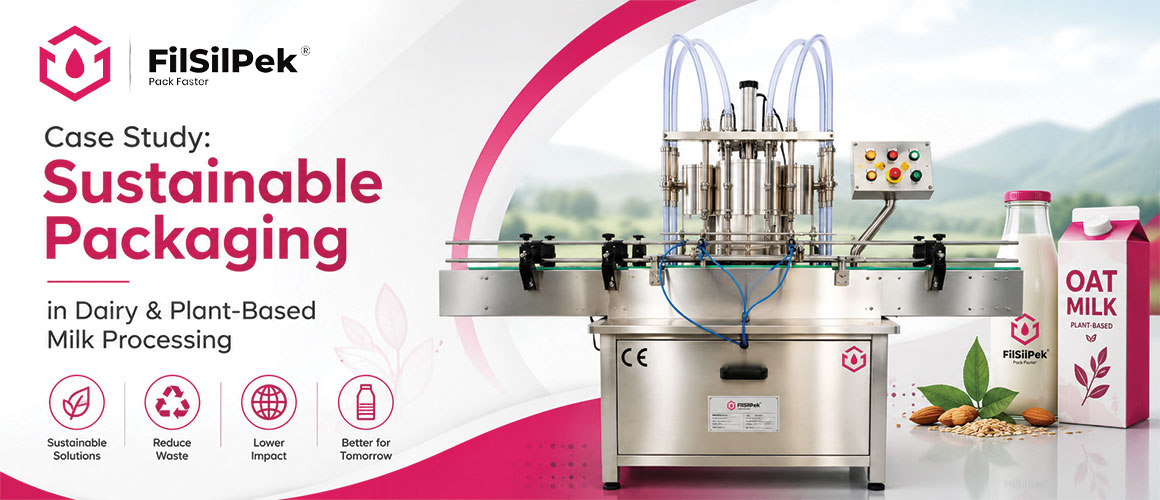
The dairy and plant-based beverage industries are undergoing a profound transformation, driven by consumer demand for sustainability and the imperative to reduce environmental impact. Packaging, a critical component of product safety, shelf-life, and consumer appeal, is at the forefront of this evolution. This article delves into the multifaceted landscape of sustainable packaging within these sectors, examining the unique challenges and innovative solutions that are shaping the future of how beverages reach our tables.
Why Sustainability Matters in Dairy Packaging
The dairy industry, a cornerstone of global food production, faces increasing scrutiny regarding its environmental footprint. Historically, dairy packaging has relied on materials like traditional plastics and coated papers, which, while effective for preservation, present significant end-of-life challenges. The growing awareness of plastic pollution, greenhouse gas emissions associated with material production, and the depletion of natural resources has placed immense pressure on dairy processors to adopt more sustainable practices. Consumers, increasingly making purchasing decisions based on environmental concerns, are actively seeking out products with packaging that aligns with their values. This is not merely a trend; it is a fundamental shift in consumer behavior that directly impacts market share and brand loyalty.
The Environmental Impact of Traditional Dairy Packaging
The lifecycle of conventional dairy packaging, from raw material extraction to disposal, contributes to a range of environmental issues. The production of virgin plastics, often derived from fossil fuels, is an energy-intensive process that releases significant amounts of greenhouse gases. Furthermore, the durability of these materials, while beneficial for product protection, makes them persistent in the environment, leading to widespread plastic pollution in landfills, oceans, and natural landscapes. The energy required for recycling these materials, while often feasible, is not always optimized, and contamination can further hinder the process. The visual impact of discarded plastic packaging is a constant reminder of the need for more circular and responsible material choices.
Consumer Demand for Eco-Friendly Options
Surveys consistently show a strong consumer preference for sustainably packaged products. This preference translates into a willingness to pay a premium for items that demonstrate a commitment to environmental responsibility. For dairy brands, failing to address this demand risks alienating a significant and growing segment of the market. The “green halo” effect, where consumers associate sustainable practices with higher quality and ethical production, can be a powerful marketing tool. Conversely, brands perceived as environmentally negligent can suffer reputational damage, impacting sales and long-term viability.
Regulatory Pressures and Industry Initiatives
Governments worldwide are implementing stricter regulations on packaging waste, including single-use plastic bags, extended producer responsibility schemes, and targets for recycled content. These regulations are not only compliance burdens but also catalysts for innovation. Industry associations and collaborative initiatives are also emerging, pooling resources and expertise to develop industry-wide solutions for sustainable packaging. These efforts often focus on improving recycling infrastructure, developing biodegradable or compostable alternatives, and promoting the use of recycled materials. The collective action within the industry underscores the shared understanding of the urgency and necessity of this transition.
Packaging Challenges for Plant-Based Beverages
The burgeoning plant-based beverage market, while often perceived as inherently more sustainable than its dairy counterpart, is not without its own set of packaging challenges. The rapid growth of this sector has seen a surge in demand for convenient, shelf-stable, and appealing packaging formats. However, the unique properties of plant-based ingredients, such as their sensitivity to oxidation and light, and the need to maintain their texture and flavor, place specific demands on packaging materials and technologies. Furthermore, the diverse range of plant-based sources, from almonds and oats to soy and coconuts, can necessitate different packaging approaches.
Preserving Quality and Shelf-Life
Plant-based milks often require specific barrier properties to prevent spoilage and maintain their nutritional integrity. Light and oxygen are particularly detrimental to many plant-based formulations, leading to off-flavors and a reduction in vitamin content. Traditional packaging solutions that work well for dairy might not be adequate for plant-based alternatives. The challenge lies in finding materials that offer excellent barrier protection while also being sustainable and cost-effective. Achieving a balance between preventing degradation and minimizing the environmental impact of the packaging itself is a delicate act.
Material Innovation for Plant-Based Foods
The quest for suitable packaging materials for plant-based beverages is driving significant innovation. This includes the development of novel multi-layer films incorporating recycled content or bio-based polymers, as well as advanced coatings that enhance barrier properties. Research is also ongoing into alternative materials such as plant-derived plastics and paperboard with enhanced barrier functionalities. The goal is to move away from traditional fossil-fuel-based plastics towards materials that are either recyclable, compostable, or made from renewable resources. This requires a deep understanding of material science and a willingness to invest in research and development.
Consumer Perception and Branding
Beyond functional requirements, packaging for plant-based beverages plays a crucial role in communicating brand values and appealing to the target consumer. The aesthetic of the packaging often reflects the natural, healthy, and ethical image associated with plant-based products. Sustainable packaging choices, such as minimalist designs, recycled materials, and eco-friendly printing inks, can reinforce this perception. Conversely, packaging that appears wasteful or is made from unsustainable materials can undermine the brand’s message and alienate environmentally conscious consumers. The visual language of sustainability is as important as the functional performance of the packaging.
Hygienic Filling and Aseptic Packaging
Regardless of whether the beverage is dairy or plant-based, ensuring product safety and extending shelf-life are paramount. This is where hygienic filling and aseptic packaging technologies come into play. These advanced processes are essential for preventing microbial contamination and allowing products to be stored at ambient temperatures, significantly reducing the need for refrigeration during transport and storage, which in turn lowers the carbon footprint.
The precision and sterility required in these operations are critical for consumer health and for minimizing product spoilage.
Reducing Waste Through Packaging Automation
|
Metrics |
Data |
|
Reduction in Packaging Material |
20% |
|
Increased Packaging Efficiency |
30% |
|
Decrease in Packaging Waste |
25% |
|
Cost Savings |
10% |
Waste reduction is a core tenet of sustainable packaging, and automation plays a pivotal role in achieving this goal. From the manufacturing floor to the filling lines, automated systems can optimize material usage, minimize product loss, and improve overall operational efficiency. This not only reduces environmental impact but also leads to significant cost savings for processors. The precision and consistency offered by automation are key to minimizing errors that can lead to waste.
Optimizing Material Usage on the Production Line
Automated systems can precisely measure and dispense packaging materials, ensuring that only the required amount is used for each product. This minimizes overages and scrap rates. For example, automated filling machines can accurately dispense liquid into containers, preventing spills and overflows. Similarly, automated sealing equipment ensures that packages are hermetically sealed with the correct amount of material, avoiding the need to re-work or discard poorly sealed products. Robotic systems can also handle fragile packaging materials with greater care, reducing damage and waste.
Minimizing Product Spoilage and Rework
Automation also contributes to waste reduction by minimizing product spoilage and the need for rework. Consistent processing parameters, controlled by automated systems, ensure that products are filled and sealed under optimal conditions. This reduces the likelihood of errors that could compromise product quality or safety, leading to batches being rejected. Automated quality control systems, such as vision inspection systems, can identify and remove defective products early in the process, preventing them from reaching the consumer and subsequently becoming waste.
Streamlining Logistics and Supply Chain Efficiency
Beyond the immediate production environment, packaging automation can also contribute to waste reduction further down the supply chain. Automated palletizing and depalletizing systems can reduce damage to packaged goods during transit and warehousing. Optimized packaging designs, developed with the aid of automated design software, can also lead to more efficient stacking and transportation, reducing the number of shipments required and the associated emissions. This holistic approach to automation, from production to distribution, amplifies its impact on waste reduction.
Energy-Efficient Packaging Solutions
The energy footprint of packaging extends beyond material production to the processes involved in manufacturing, filling, and transporting. Therefore, developing and implementing energy-efficient packaging solutions is a critical aspect of sustainability in the dairy and plant-based beverage industries. This involves a multi-pronged approach, considering material choices, processing technologies, and logistical strategies.
Lightweighting and Material Reduction
One of the most direct ways to reduce the energy consumed in packaging is through lightweighting – reducing the amount of material used while maintaining structural integrity and protective qualities. This can involve designing thinner yet stronger plastic films, optimizing the geometry of containers, or utilizing lighter-weight paperboard. Each kilogram of material saved translates into less energy required for its production, transport, and eventual disposal or recycling. The development of advanced material science plays a crucial role in enabling effective lightweighting without compromising performance.
Innovative Packaging Formats and Designs
The design of packaging can significantly influence its energy efficiency. For instance, the adoption of pre-formed pouches or innovative carton designs can reduce the energy required during the filling process. Similarly, optimizing the shape of bottles and containers can lead to more efficient packing and transportation, reducing wasted space and the number of truckloads required. The shift towards more concentrated product formats, where less water is transported, also contributes to energy efficiency by reducing the overall volume and weight of goods shipped.
Sustainable Sourcing of Raw Materials
The energy consumed in sourcing raw materials for packaging is also a critical consideration. Prioritizing materials that are produced using renewable energy sources or that have a lower overall carbon footprint during their extraction and processing is essential. This includes exploring the use of recycled content, bio-based plastics derived from sustainable agriculture, and responsibly sourced paperboard. By making conscious choices about raw material procurement, the industry can significantly reduce the embedded energy within its packaging.
Case Study: Sustainable Packaging Success
The practical implementation of sustainable packaging initiatives provides valuable insights into the challenges and rewards of this transition. Numerous companies within the dairy and plant-based beverage sectors are demonstrating leadership in this area, showcasing innovative solutions that are both environmentally responsible and commercially viable. These case studies offer a glimpse into the future of packaging, highlighting the tangible benefits of a commitment to sustainability.
Example Company A: Transitioning to Recycled Content in Dairy Cartons
Company A, a well-established dairy producer, recognized the growing consumer demand for more sustainable packaging and the environmental imperative to reduce virgin plastic usage. They embarked on a comprehensive project to increase the percentage of recycled content in their gable-top cartons. This involved close collaboration with their packaging suppliers to identify reliable sources of food-grade recycled materials and to ensure that the integrity and barrier properties of the cartons were not compromised.
- Challenges Encountered: Initial challenges included sourcing consistent, high-quality recycled materials that met stringent food safety regulations. There were also concerns about potential impacts on printability and the overall aesthetics of the packaging. The internal processes for managing and verifying recycled content also required significant adaptation.
- Solutions Implemented: Company A invested in advanced quality control measures to ensure the purity and safety of the recycled materials. They also worked with their printing partners to optimize inks and printing processes for recycled substrates. Furthermore, they engaged in consumer education campaigns to highlight their sustainability efforts and explain the benefits of using recycled content.
- Outcomes Achieved: The transition resulted in a significant reduction in their reliance on virgin fossil-fuel-based plastics. Consumer feedback was overwhelmingly positive, with many customers actively seeking out their products based on the improved packaging. This initiative also led to a measurable decrease in their overall packaging carbon footprint, demonstrating the tangible environmental and market advantages of their sustainable packaging strategy.
Example Company B: Innovative Bio-based Packaging for Plant-Based Milks
Company B, a rapidly growing plant-based beverage brand, prioritized sustainability from its inception, making it a core element of its brand identity. They sought to move away from traditional plastic bottles and explored alternative, bio-based packaging solutions for their popular almond and oat milk products.
- Challenges Encountered: The primary challenge for Company B was finding bio-based materials that offered the necessary barrier properties to maintain product freshness and shelf-life, while also being cost-effective and scalable for mass production. Biodegradability or compostability claims also required rigorous testing and certification to avoid greenwashing perceptions.
- Solutions Implemented: After extensive research and development, Company B partnered with a material science innovator to implement a novel packaging solution using a blend of plant-derived polymers. This material provided excellent barrier protection against oxygen and light and was certified as industrially compostable. They also redesigned their product labels to be printed with vegetable-based inks on recycled paper, further enhancing the eco-credentials of their packaging.
- Outcomes Achieved: This innovative approach not only differentiated Company B in a competitive market but also resonated strongly with their target consumer base, who are actively seeking out environmentally responsible choices. The compostable nature of their packaging offered a more circular end-of-life solution compared to traditional plastics. This strategic decision reinforced their brand image as a leader in sustainable food and beverage production, leading to increased brand loyalty and market penetration.
These case studies illustrate that while challenges exist, the dairy and plant-based beverage industries are actively embracing and innovating in the realm of sustainable packaging. The ongoing commitment to research, development, and collaborative partnerships is paving the way for a future where packaging not only protects products but also protects the planet.
FAQs
- What is the importance of sustainability in dairy packaging?
Sustainability in dairy packaging is important for reducing environmental impact, conserving resources, and meeting consumer demand for eco-friendly products. It also helps to minimize waste and lower production costs for dairy manufacturers.
- What are the packaging challenges for plant-based beverages?
Packaging challenges for plant-based beverages include maintaining product freshness, preventing spoilage, and ensuring shelf stability without the use of preservatives. Additionally, plant-based beverages often require specialized packaging to maintain their nutritional value and flavor.
- How does hygienic filling and aseptic packaging contribute to sustainable dairy and plant-based milk processing?
Hygienic filling and aseptic packaging help to extend the shelf life of dairy and plant-based milk products without the need for refrigeration or preservatives. This reduces food waste and energy consumption while maintaining product quality and safety.
- How can packaging automation help in reducing waste in dairy and plant-based milk processing?
Packaging automation can reduce waste in dairy and plant-based milk processing by optimizing packaging materials, minimizing product overfill, and reducing the risk of human error. This leads to more efficient production processes and lower overall waste generation.
- What is some energy-efficient packaging solutions for dairy and plant-based milk processing?
Energy-efficient packaging solutions for dairy and plant-based milk processing include lightweight packaging materials, recyclable packaging options, and the use of renewable energy sources in the production process. These solutions help to lower carbon emissions and minimize the environmental impact of packaging operations.
Energy Recovery and Heat Exchange Technologies in Filling Machines
Energy recovery and heat exchange technologies in filling machines….
Case study: filling machines supporting D2C nutraceutical brands
At Filsilpek Solutions, automated….
Smart labelling: QR codes, NFC and customer engagement
Smart labeling technology overview and….
Contact Us
Address
B-603, SHALIN SQUARE HATHIJAN CIRCLE VATVA G.I.D.C ROAD, VINZOL,AHMEDABAD-382445 GUJARAT
Contact
+91 90542 94961
Inquiry Form
Contact Us
Address
B-603, SHALIN SQUARE HATHIJAN CIRCLE VATVA G.I.D.C ROAD, VINZOL,AHMEDABAD-382445 GUJARAT
Contact
+91 90542 94961
Inquiry Form
Contact Us
Address
B-603, SHALIN SQUARE HATHIJAN CIRCLE VATVA G.I.D.C ROAD, VINZOL,AHMEDABAD-382445 GUJARAT
Contact
+91 90542 94961
Inquiry Form
Contact Us
Address
B-603, SHALIN SQUARE HATHIJAN CIRCLE VATVA G.I.D.C ROAD, VINZOL,AHMEDABAD-382445 GUJARAT
Contact
+91 90542 94961
Inquiry Form