Customizing filling machines for ecofriendly edible oil brands
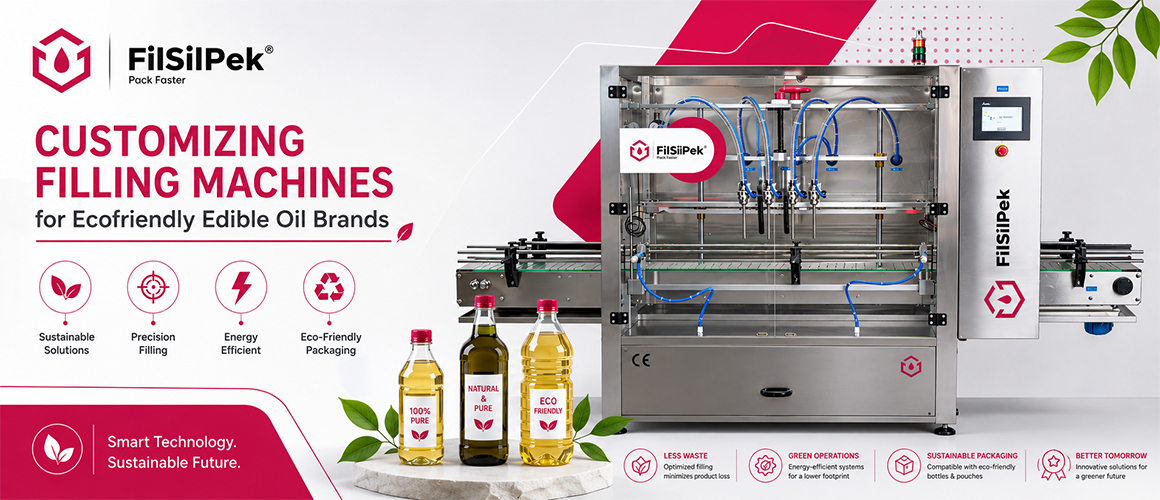
So, you’ve got a fantastic eco-friendly edible oil brand, you’re committed to sustainability, and now you’re wondering how to make sure your filling process aligns with those values. The good news is, you absolutely can customize filling machines to get it right. It’s not about finding a one-size-fits-all solution, but rather tailoring the technology to fit your specific eco-conscious needs. This means looking at everything from the materials your machine uses to how it handles your chosen sustainable packaging. Let’s break down how you can make this happen.
Understanding the Eco-Friendly Filling Landscape
When it comes to filling machines for edible oils, “eco-friendly” isn’t just a buzzword; it’s a set of practical considerations that directly impact your brand’s environmental footprint. Think about the journey of each bottle or pouch that leaves your facility. The filling process is a crucial step where waste can be generated, energy consumed, and materials handled. Customizing your filling machinery allows you to proactively address these areas, ensuring your operations are as sustainable as your product.
The Pillars of Sustainable Filling
At its core, sustainable filling is about minimizing negative environmental impact. This can be broken down into a few key areas that your customized machine should address:
Reducing Material Waste
This is often the most visible aspect. Think about overfilling, spills, or inefficient use of packaging materials like caps and seals. A well-customized machine can make a significant difference here, ensuring every drop of your delicious oil ends up in the container it’s meant for, and that your packaging is applied precisely.
Energy Efficiency
Filling machines, especially high-speed ones, can be energy-intensive. Customization allows for the selection of more energy-efficient components, optimized motor usage, and smarter control systems that reduce idle power consumption.
Longevity and Repairability
A machine that lasts longer and is easier to repair means less waste from discarded equipment and fewer resources spent on manufacturing new machines. Opting for robust construction and accessible components is part of this.
Adaptability to Sustainable Packaging
The packaging you choose is a big part of your eco-friendly identity. Whether it’s recycled glass, PET, aluminium, or innovative biodegradable pouches, your filling machine needs to be able to handle them all without compromise.
Tailoring Machines for Specific Packaging Types
The type of sustainable packaging you’ve chosen for your edible oil brand will heavily influence the kind of filling machine you need. Imagine trying to fill a delicate glass bottle with a machine designed for rigid metal cans – it just won’t work smoothly, and could lead to breakages or spills. Customization ensures your machine is a perfect match for its job.
Adapting to Glass Bottles
Glass is a classic choice for edible oils, offering excellent barrier properties and a premium feel. However, it’s also fragile.
Gentle Handling Mechanisms
For glass, you’ll want filling machines with gentle handling systems. This means specialized grippers that don’t put undue pressure on the glass, and conveyor belts designed to minimize jarring. The goal is to prevent micro-fractures or complete breaks, which would lead to product loss and waste.
Precise Filling Heights for Caps and Seals
Glass bottles often have specific neck finishes for screw caps or corks. Your filling machine needs to accurately fill to a level that allows for proper sealing, preventing leakage and spoilage. This might involve advanced level sensors that can detect the exact fill line.
Working with Recycled Plastics (rPET)
Many brands are opting for rPET (recycled polyethylene terephthalate) bottles due to their lighter weight and recyclability.
Material Compatibility and Gripping
rPET can be more susceptible to deformation at certain temperatures or pressures. Your filling machine needs to be designed to grip these bottles securely without crushing them, and the filling mechanisms should be calibrated to avoid excessive heat or pressure that could warp the plastic.
Cap Sealing Integrity
Ensuring a tight seal on rPET bottles is crucial for product freshness. Customized capping systems might be needed to handle the specific torque and application methods required for plastic caps, often with tamper-evident features.
Innovative Pouch Filling
Flexible pouches, especially those made from biodegradable or compostable materials, are gaining traction.
Specialized Pouch Handling and Sealing
Filling pouches is a different ballgame. You’re looking at machines that can accurately dispense oil into a pre-formed pouch, then reliably seal it to maintain product integrity and prevent leaks. This often involves specialized welding or heat-sealing technologies that are compatible with your chosen compostable materials.
Maintaining Pouch Shape and Integrity
The filling process should also ensure the pouch maintains its intended shape without creasing or distorting in a way that compromises its visual appeal or barrier properties.
Optimizing Dispensing and Accuracy
Accuracy in filling isn’t just about hitting a target volume; it’s about minimizing product loss and ensuring value for your customers. For edible oils, overfilling is a direct waste of a valuable product.
Volumetric vs. Gravimetric Filling
The choice between volumetric and gravimetric filling systems can have significant implications for sustainability.
Volumetric Precision
Volumetric fillers measure by volume. While generally faster, minute variations in oil density (which can fluctuate with temperature) can lead to slight over or underfills. Customization here means selecting highly accurate volumetric systems with calibration features that account for minor density changes.
Gravimetric Accuracy for Consistency
Gravimetric fillers measure by weight, offering superior accuracy regardless of oil density variations. While they can sometimes be slower, the reduction in product giveaway makes them a more sustainable long-term choice, especially for premium edible oils. Customization involves integrating high-precision weigh cells and sophisticated feedback loops.
Minimizing Drip and Splatter
Every drop of oil that misses the container is a waste.
No-Drip Nozzles and Piston Systems
The design of the filling nozzle is critical. Advanced designs, like those with anti-drip valves or specialized piston systems, can prevent residual oil from dripping after filling, keeping your machinery and packaging clean and reducing product loss.
Controlled Flow Rates
The speed at which oil is dispensed can also impact accuracy and cleanliness. Customized flow control allows for a gentle start and finish to the filling process, reducing splashing and ensuring the oil enters the container smoothly.
Energy-Efficient Design and Operation
|
Metrics |
Data |
|
Energy Consumption |
10,000 kWh |
|
Energy Savings |
20% |
|
Carbon Emissions |
5 metric tons |
|
Renewable Energy Use |
30% |
The environmental impact of your filling operation extends to its energy consumption. Making smart choices in machine design and functionality can significantly reduce your carbon footprint.
Motor and Drive Technologies
The heart of any machine is its motor. Choosing the right type can make a big difference.
Servo Motors for Precision and Efficiency
Servo motors offer precise control over movement, allowing for smoother acceleration and deceleration. This translates to less energy wasted on sudden starts and stops, and a more controlled filling process. They are also highly energy-efficient when not in active use.
Variable Frequency Drives (VFDs)
VFDs allow you to adjust the speed and power of your motors based on demand. This means the motor isn’t running at full capacity unnecessarily, saving significant amounts of energy, especially during lower production runs or when transitioning between product types.
Smart Control Systems and Automation
Modern control systems go beyond simply turning things on and off.
Integrated Sensor Technology
Sensors can monitor various aspects of the filling process in real-time – fill levels, cap presence, container positioning. This data can be used to automatically adjust parameters, minimize errors, and prevent the machine from running if conditions aren’t optimal, thereby saving energy and product.
Optimized Cycle Times
Customized automation can streamline the entire filling and capping cycle, reducing the time each container spends on the line. This not only increases throughput but also reduces the overall energy consumed per bottle filled.
Longevity, Maintenance, and Material Choices
A filling machine isn’t just about its immediate operational efficiency; its lifespan and the materials it’s made from also contribute to its environmental credentials.
Robust Construction and Quality Components
Investing in a well-built machine means it will last longer, reducing the need for frequent replacements.
Stainless Steel and Food-Grade Materials
Using high-quality, durable materials like food-grade stainless steel ensures the machine can withstand the rigors of production and resist corrosion. This not only guarantees hygiene but also extends the machine’s usable life.
Modular Design for Easy Upgrades and Repairs
Choosing machines with a modular design makes them easier to maintain and upgrade. If a specific component fails, it can be replaced without needing to overhaul the entire system, reducing downtime and waste. It also allows for future upgrades to stay abreast of technological advancements.
Proactive Maintenance and Diagnostics
A little foresight goes a long way in preventing larger issues.
Predictive Maintenance Capabilities
Modern filling machines can be equipped with sensors that monitor component wear and potential failure points. This allows for predictive maintenance, where parts are replaced before they fail, preventing unexpected breakdowns, product loss, and the need for emergency repairs that might involve more resource-intensive solutions.
Ease of Cleaning and Sanitation
Efficient and effective cleaning is vital for edible oils. Customized cleaning-in-place (CIP) systems can reduce water and chemical usage by precisely managing the cleaning cycles, ensuring hygiene without excessive waste.
Choosing the Right Partner for Customization
Finding a supplier who understands your sustainability goals is just as important as understanding the technology itself.
Collaboration and Consultation
The best custom solutions come from working closely with your equipment provider.
Understanding Your Brand’s Specific Needs
A good partner will take the time to understand your current packaging, your future aspirations for sustainable materials, your production volumes, and your specific environmental targets. They should be able to ask the right questions to guide you towards the most suitable customizations.
Expertise in Sustainable Technologies
Look for manufacturers who aren’t just building machines, but who are actively engaged in developing and integrating more sustainable technologies. They should be able to advise you on energy-saving features, material compatibility, and waste reduction strategies.
By focusing on these practical aspects of customization, you can ensure your filling machines are not only efficient and reliable but also a true reflection of your edible oil brand’s commitment to a healthier planet.
FAQs
- What are the benefits of customizing filling machines for eco-friendly edible oil brands?
Customizing filling machines for eco-friendly edible oil brands can help reduce waste, minimize energy consumption, and optimize production processes to align with sustainable practices. This can lead to cost savings, improved efficiency, and a reduced environmental impact.
- How can filling machines be tailored to meet the needs of sustainable edible oil brands?
Filling machines can be customized to accommodate eco-friendly packaging materials, such as recyclable or biodegradable containers, and to minimize the use of plastic and other non-sustainable materials. Additionally, they can be designed to reduce product loss and ensure accurate filling to avoid unnecessary waste.
- What are some sustainable solutions for eco-friendly edible oil brands in terms of filling machines?
Sustainable solutions for eco-friendly edible oil brands include the use of filling machines with advanced technology that allows for precise filling, efficient cleaning processes to minimize water usage, and the incorporation of energy-saving features to reduce overall environmental impact.
- How do customized filling machines contribute to the eco-conscious consumer market?
Customized filling machines can help edible oil brands meet the demands of eco-conscious consumers by offering products that are packaged and filled in a sustainable manner. This can enhance brand reputation and appeal to environmentally conscious consumers who prioritize sustainable practices.
- What are the advantages of using customized filling machines for sustainable edible oil brands?
The advantages of using customized filling machines for sustainable edible oil brands include improved product quality, reduced environmental impact, cost savings through efficient operations, and the ability to align with the values of eco-conscious consumers, ultimately leading to a competitive edge in the market.
Micro Dosing and Precision Filling for Pharmaceuticals & Diagnostics
The pharmaceutical and diagnostics industries operate under…..
How predictive analytics improves inventory management of packaging materials
So, you’re wondering how predictive analytics can actually help…..
Reducing water usage in cleaning and CIP systems
Water is a precious resource, and using less of it in our cleaning and Clean-in-Place (CIP) systems isn’t just “nice to have”—it’s becoming essential…..
Contact Us
Address
B-603, SHALIN SQUARE HATHIJAN CIRCLE VATVA G.I.D.C ROAD, VINZOL,AHMEDABAD-382445 GUJARAT
Contact
+91 90542 94961
Inquiry Form
Contact Us
Address
B-603, SHALIN SQUARE HATHIJAN CIRCLE VATVA G.I.D.C ROAD, VINZOL,AHMEDABAD-382445 GUJARAT
Contact
+91 90542 94961
Inquiry Form
Contact Us
Address
B-603, SHALIN SQUARE HATHIJAN CIRCLE VATVA G.I.D.C ROAD, VINZOL,AHMEDABAD-382445 GUJARAT
Contact
+91 90542 94961
Inquiry Form
Contact Us
Address
B-603, SHALIN SQUARE HATHIJAN CIRCLE VATVA G.I.D.C ROAD, VINZOL,AHMEDABAD-382445 GUJARAT
Contact
+91 90542 94961
Inquiry Form